
Coal Mining Still Among World’s Most Dangerous Professions Despite Modern Safety Measures

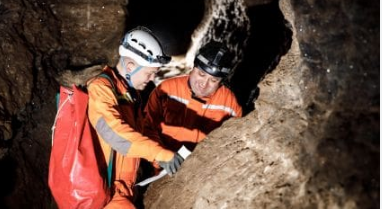
Coal mining continues to rank as one of the most hazardous occupations globally, exposing workers to extreme risks deep beneath the earth’s surface. Despite advancements in machinery, monitoring systems, and safety regulations, miners face daily dangers that make every shift a test of skill, discipline, and teamwork.
Underground coal mines present a volatile environment where tunnel collapses, methane gas explosions, and sudden flooding remain persistent threats. In confined spaces, even minor structural failures or equipment malfunctions can escalate rapidly, leaving little room for error. Miners rely heavily on precise coordination and constant communication, as a single mistake can have fatal consequences.
Health risks extend beyond immediate accidents. Prolonged exposure to coal dust continues to cause serious respiratory illnesses, including pneumoconiosis, commonly known as black lung disease. In many mining regions, workers also endure extreme heat, limited ventilation, and long working hours, increasing both physical strain and long-term health complications.
While automation and advanced safety protocols have reduced fatalities in some countries, coal mining remains, at its core, a battle against unpredictable natural forces. Geological instability, gas pressure, and changing underground conditions often challenge even the most advanced technologies.
Coal remains a critical input for electricity generation, steel production, and large-scale infrastructure, particularly in developing economies. However, the human cost behind these materials is often overlooked. Industry experts and labor advocates stress the need for continuous investment in safety innovation, stricter enforcement of regulations, and improved healthcare support for miners.
As global conversations increasingly focus on energy transitions and sustainability, the realities faced by coal miners serve as a reminder that industrial progress has long depended on human endurance and risk. The profession demands recognition not only for its economic contribution but also for the courage of workers who venture underground to keep industries and cities running above ground.