
Coal Ministry’s Safety Portal Reinforces Real-Time Protection for Mining Workers

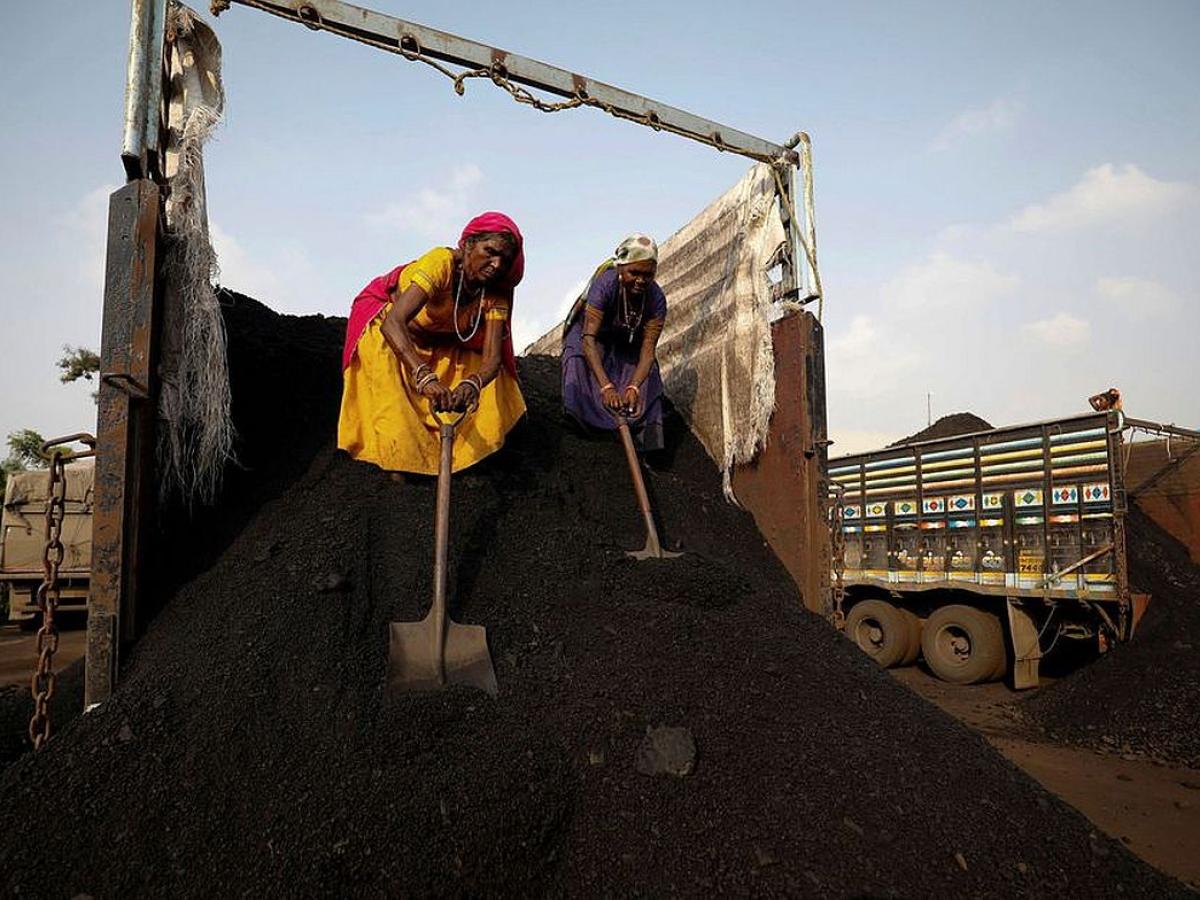
In a sector as vital and hazardous as coal mining, safety is not just a policy—it is a lifeline. Recognizing the inherent risks faced by mining personnel, the Ministry of Coal, Government of India, has launched a dedicated Safety Portal—a transformative step in digitizing and strengthening the real-time safety infrastructure across the country’s coal mining operations.
A Shift Towards Real-Time Safety Oversight
Traditionally, coal mine safety protocols have relied on manual inspections and periodic reporting. However, the scale and complexity of modern mining operations demand faster, smarter, and more responsive systems. The Coal Ministry’s Safety Portal aims to bridge this gap through:
-
Real-time monitoring of safety parameters
-
Digital documentation and reporting of safety compliance
-
Prompt incident tracking and escalation mechanisms
-
Integration with safety devices and alert systems used in mines
By moving from reactive to proactive safety management, the portal significantly reduces response time during emergencies and strengthens decision-making with data-backed insights.
Courtesy: This video is originally translated by the Ministry of Coal.
Protecting the Backbone of the Sector: Coal Mine Workers
India’s coal miners form the backbone of its energy security. The digital safety portal is tailored to enhance on-ground safety conditions for thousands of workers employed in both underground and open-cast coal mining projects.
The system enables:
-
Instant logging of safety equipment use
-
Tracking of high-risk zones and ongoing work conditions
-
Real-time alerts in case of rule violations or technical hazards
-
Coordination with local management and safety officers
This ensures that every helmet, harness, gas detector, or rescue tool is accounted for—not only in inventory, but in active usage.
Technological Backbone and Future Integration
The Safety Portal is part of a broader push by the Ministry of Coal to digitize mine operations, aligning with India’s Digital India Mission and global standards of Occupational Health and Safety (OHS).
The next phases of the portal may include:
-
AI and sensor-based analytics to predict risks
-
Integration with CCTV and drone-based inspections
-
Worker training modules and compliance dashboards
-
Mobile apps for on-site safety reporting and notifications
These advancements aim to not only improve compliance but also foster a culture of safety-first within the coal ecosystem.
Policy and Impact
The implementation of the Safety Portal comes amid the government’s continued push to modernize coal mining practices, improve transparency, and safeguard the lives of workers.
The Ministry of Coal has also emphasized:
-
Zero-tolerance approach to safety lapses
-
Regular updates to the safety checklist and digital SOPs
-
Encouragement of public-sector and private mining entities to adopt the platform
This initiative is part of a holistic safety ecosystem, where policy, technology, and field-level action converge to make mining not only more productive but also more humane.
Technology That Saves Lives
“Every tool is a lifesaver” is not just a phrase—it is a guiding principle behind the Coal Ministry’s Safety Portal. With its real-time monitoring capabilities and forward-looking design, this platform represents a major leap in securing the lives of coal mining personnel across India.
As the coal sector advances technologically and expands production targets, ensuring that safety evolves at the same pace is essential. This digital initiative reaffirms the government’s commitment to worker well-being and sustainable mining practices.