
CoalSETU: Government Allows Coal Linkage Holders to Export Up to 50% of Coal Capacity

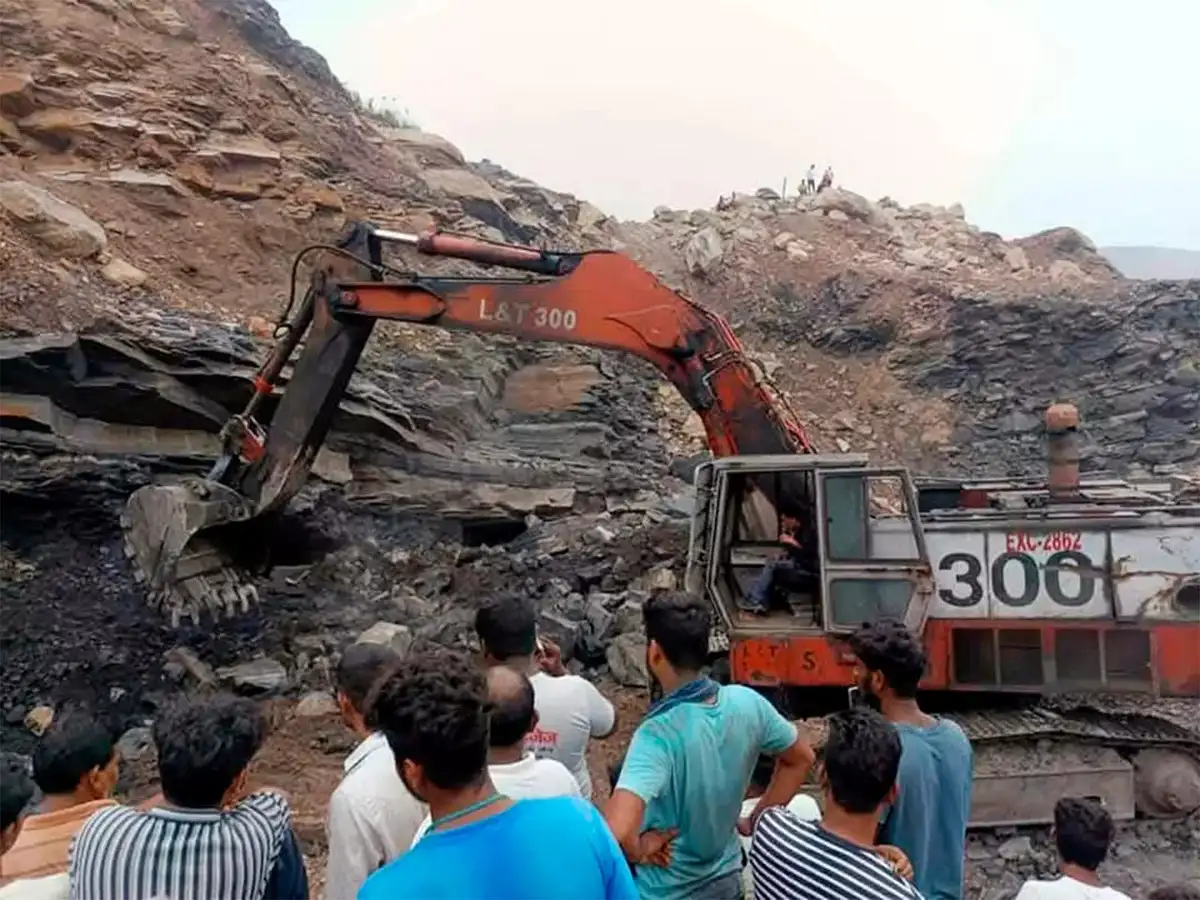
In a major policy reform under the CoalSETU framework, the government has permitted coal linkage holders to export up to 50 percent of their coal production capacity. The decision is aimed at improving market flexibility, boosting competitiveness, and enabling better utilisation of coal resources amid changing domestic and global demand dynamics.
Under the new provision, entities holding coal linkages will be allowed to divert up to half of their allocated coal capacity for export purposes, subject to applicable regulations and compliance requirements. The remaining capacity will continue to cater to domestic needs, ensuring that critical sectors such as power, steel, and cement remain adequately supplied.
Officials said the move is intended to align India’s coal sector with global trade practices while encouraging efficiency and value realisation for producers. By allowing exports, the policy provides companies with greater operational freedom to respond to international demand and price signals, particularly in cases where domestic consumption is lower than projected.
The government has clarified that exports will be governed by existing environmental norms, safety standards, and statutory clearances. Priority for domestic supply obligations will continue, and monitoring mechanisms will be put in place to prevent disruptions in the domestic coal market.
Industry stakeholders have viewed the decision as a progressive step that could enhance India’s position in the global coal trade, improve revenue generation, and support long-term sustainability of coal mining operations.