

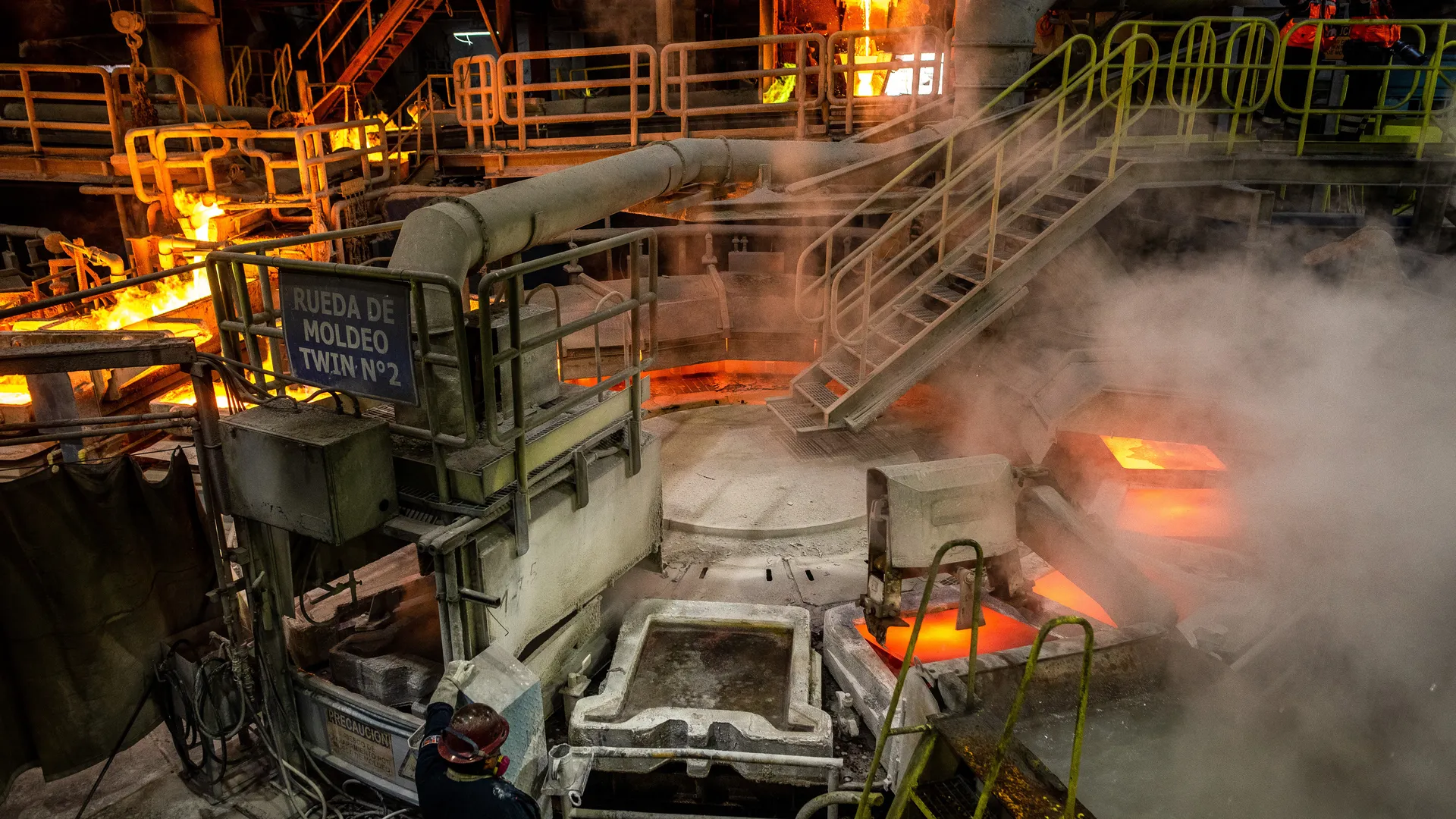
Copper futures have hit a new record high, propelled by escalating trade tensions in the United States. The most active September contracts on the Chicago Mercantile Exchange (CME) surged by as much as 1.6% to $5.732 per pound on Tuesday, reflecting market apprehension over a proposed 50% tariff on copper imports set to take effect next month. This development follows U.S. President Donald Trump’s announcement earlier this month, driving copper prices past the $5 per pound threshold with year-to-date gains exceeding 40%. This article delves into the factors fueling this surge, the potential economic ramifications, and the broader implications for global markets.
The Tariff Trigger
The catalyst for this price spike was Trump’s declaration earlier in July 2025 of a 50% tariff on copper imports, aimed at bolstering domestic production and addressing national security concerns. The tariff, expected to be implemented in August, has sent shockwaves through the commodities market, with copper futures witnessing their most significant single-day gains since records began in 1968. The uncertainty surrounding the tariff’s exact scope and timeline—initially vague but later clarified as effective from August 1—has intensified speculative trading, pushing prices to unprecedented levels.
This move builds on Trump’s broader trade agenda, which includes existing tariffs on steel and aluminum, and reflects a strategy to reduce reliance on foreign copper, much of which is imported from countries like Chile, Canada, and Peru. The administration’s emphasis on copper as a critical material for defense, infrastructure, and green technologies, such as electric vehicles and data centers, underscores the policy’s intent, though the suddenness of the announcement has caught many stakeholders off-guard.
Market Response and Price Dynamics
The immediate market reaction was a dramatic 1.6% jump in CME copper futures, with prices peaking at $5.732 per pound. This surge contrasts with a more muted response on the London Metal Exchange (LME), where prices rose only 0.8% to approximately $9,860 per tonne, highlighting a growing divergence between U.S. and global pricing. The CME-LME premium, which has widened significantly, suggests that American importers are bracing for higher costs, prompting a rush to secure supplies before the tariff deadline.
Copper’s year-to-date gain of over 40% outpaces other major commodities, including gold, and reflects a combination of tariff-induced speculation and underlying demand pressures. The metal’s role in electrification and renewable energy projects, coupled with supply constraints, has amplified its value. However, analysts from ANZ Bank note that reliance on domestic inventories could mitigate some price pressures in the short term, potentially stabilizing markets if the tariff’s impact is absorbed by existing stockpiles.
Economic and Industrial Implications
The 50% tariff is poised to reshape the U.S. copper landscape, with significant implications for manufacturers and consumers. Copper is a cornerstone of industries ranging from construction and electronics to defense and automotive sectors, with the average American car containing over 50 pounds of the metal. A tariff of this magnitude could increase production costs by 25-30%, according to industry estimates, potentially leading to higher prices for goods or reduced profit margins for businesses.
For domestic producers, particularly in copper-rich states like Arizona, the tariff could spur investment in mining and refining capacity. However, experts caution that expanding U.S. production to meet demand—currently met by only about half through domestic mines—could take a decade or more, leaving a gap that tariffs alone cannot immediately fill. This lag may force industries to rely on imports or draw down reserves, adding complexity to supply chain dynamics.
Global Market Ripple Effects
The tariff’s global impact is already evident, with prices on international exchanges like the LME and Shanghai Futures Exchange experiencing volatility. The rush to export copper to the U.S. before the August deadline has drained inventories in Asia and Latin America, while the CME-LME arbitrage gap has encouraged traders to redirect flows. Some analysts suggest that once the tariff takes effect, copper may flow to other markets like China, potentially stabilizing global prices but shifting economic burdens elsewhere.
The policy has also sparked diplomatic responses, with trading partners like the EU and Canada exploring exemptions or retaliatory measures. This escalation could broaden the trade war, affecting not just copper but a range of commodities, as Trump’s administration continues to pursue a reciprocal tariff strategy.
Challenges and Uncertainties
Despite the bullish market sentiment, uncertainties loom large. The tariff’s implementation date of August 1 remains firm, but details on exemptions or phased rollouts are unclear, leaving room for negotiation or adjustment. The reliance on domestic inventories, estimated at over 800,000 tons, may delay price spikes but could deplete reserves, exposing vulnerabilities if supply disruptions occur. Additionally, the environmental and economic cost of rapid domestic expansion—potentially conflicting with sustainability goals—poses a long-term challenge.
Public and industry reactions vary, with some viewing the tariff as a necessary step toward self-sufficiency, while others warn of inflation and supply chain chaos. The administration’s ability to balance these competing interests will determine the policy’s success.
The Broader Context
This tariff aligns with Trump’s broader economic narrative of “America First,” invoking national security to justify trade barriers. It echoes previous actions on steel and aluminum, but copper’s critical role in emerging technologies amplifies its significance. As global demand for copper is projected to rise by 50% by 2030 due to electrification, the U.S. move could set a precedent for other nations to protect their mineral resources, reshaping international trade patterns.
Copper futures hitting a record $5.732 per pound amid the U.S.’s 50% tariff threat marks a turning point in commodity markets. Driven by Trump’s trade policy, the surge reflects both immediate speculation and long-term strategic shifts. While the tariff aims to bolster domestic production, its success hinges on overcoming supply lags and global backlash. As the August deadline approaches, the world watches whether this move will strengthen U.S. resilience or ignite a broader trade conflict, with copper at the heart of the storm.