
Copper Smelters Flip the Script: Paying Miners Amid Severe Raw Material Crunch

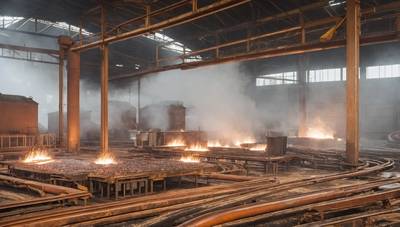
In a dramatic shift within the global metals industry, copper smelters are now offering to pay miners—a reversal of the traditional dynamic—as they scramble to secure dwindling supplies of copper concentrate, the essential raw material for producing refined copper.
This unprecedented move highlights the depth of the current supply crisis in the copper market, driven by mine disruptions, project delays, and a growing demand for copper in clean energy and electrification infrastructure.
What’s Changing in the Copper Supply Chain
Traditionally, copper miners sell concentrate—semi-processed ore containing copper—to smelters, who pay treatment and refining charges (TC/RCs) to convert it into pure metal. However, due to a steep decline in concentrate availability in 2024 and 2025, smelters are now offering negative TC/RCs, effectively paying miners to supply them material just to keep their operations running.
This phenomenon, often referred to as “reverse TC/RCs,” is a strong indicator of supply stress, and it underscores how power has shifted from smelters to miners in a tightening market.
“We are witnessing a buyer’s crisis, not a seller’s,” one industry analyst noted. “Smelters are under pressure to maintain output, and they are now making financial concessions unheard of in this business.”
Key Drivers Behind the Shortage
The global copper concentrate shortage has been accelerated by several factors:
-
Mine closures and delays, including major setbacks in Panama, Peru, and parts of Africa
-
Lack of new mining investment, despite booming long-term demand
-
Stricter environmental and permitting regulations, particularly in Latin America
-
Soaring demand from the electric vehicle, renewable energy, and power grid sectors
Together, these factors have created a bottleneck, where smelters have excess capacity but are unable to operate at full efficiency due to insufficient feedstock.
Economic Fallout for Smelters
The consequences for smelting operations are severe. As raw material becomes scarce, profit margins for smelters are being squeezed, especially in China—the world’s largest copper smelting hub. Many facilities are reportedly operating at a loss or below capacity, and some are considering temporary shutdowns or maintenance periods to weather the crisis.
In contrast, miners are benefitting from tighter supply conditions, enjoying both stronger negotiating power and high global copper prices, which continue to hover above $10,000 per tonne.
What This Means for the Global Copper Market
This shift in market dynamics may have lasting implications:
-
Smelting contracts could be restructured to reflect long-term risks in concentrate availability
-
Investment in mining projects may accelerate as supply-side constraints become more evident
-
Policymakers and manufacturers may need to reassess supply chain resilience for copper, a critical metal in the global energy transition
At the same time, the transition to clean energy is amplifying copper’s strategic importance, making this crisis a key issue for governments and industries worldwide