

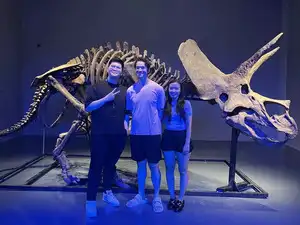
A growing number of wealthy cryptocurrency investors are turning away from non-fungible tokens (NFTs) and redirecting their capital toward an unconventional alternative asset: 69-million-year-old dinosaur fossils. The shift reflects changing sentiment among crypto elites seeking tangible, scarcity-driven investments amid cooling enthusiasm for speculative digital collectibles.
Market observers note that rare dinosaur fossils—particularly near-complete skeletons of species such as Tyrannosaurus rex and Triceratops—have gained attention for their historical value, physical permanence, and limited global supply. High-profile fossil auctions have recorded multi-million-dollar sales in recent years, attracting buyers from the worlds of finance, technology, and crypto.
Unlike NFTs, whose valuations are often driven by hype, community sentiment, and market cycles, fossils are viewed as assets with intrinsic scientific, cultural, and exhibition value. Collectors argue that fossils offer long-term preservation of value, insulation from digital market volatility, and the prestige associated with owning irreplaceable natural history artifacts.
The move also signals a broader recalibration within the crypto community, where investors are increasingly diversifying into real-world assets such as art, vintage watches, rare metals, and now paleontological specimens. Advisors suggest that the fossil market’s opacity and regulatory oversight remain challenges, but demand continues to rise as ultra-high-net-worth individuals look for assets beyond traditional financial instruments.
As interest in NFTs wanes and digital asset markets mature, dinosaur fossils are emerging as a surprising symbol of the crypto elite’s search for stability, exclusivity, and legacy—rooted not in blockchain code, but deep in Earth’s ancient past.