

Support CleanTechnica’s work through a Substack subscription or on Stripe.
Mustafa Suleyman, who heads Microsoft’s AI team, told Bloomberg‘s Mishal Husain this week, “AI is already superhuman.” He added, “Superintelligence in the industry today means an AI system that can learn any new task and perform better than all humans combined, at all tasks. It is a very high bar and, at the moment, it comes with a great deal of risk. It’s very uncertain how we would contain and align a system that is so much more powerful than us.
“The framing I prefer is one of a humanist superintelligence — one that is always in our corner, on our team, aligned to human interests. Until we can prove that it will remain safe, we won’t continue to develop a system that has the potential to run away from us. Everybody should agree to that. Yet I think it’s a novel position in the industry at the moment.”
Well, that is certainly comforting. The post–World War II era was based on humanist notions that valued the lives of all people equally, and we know how that worked out. Today, about half of all Americans say they are struggling to pay their bills, a situation exacerbated by the stunning rise in the number of data centers being built all across America.
Demand For Electricity May Triple
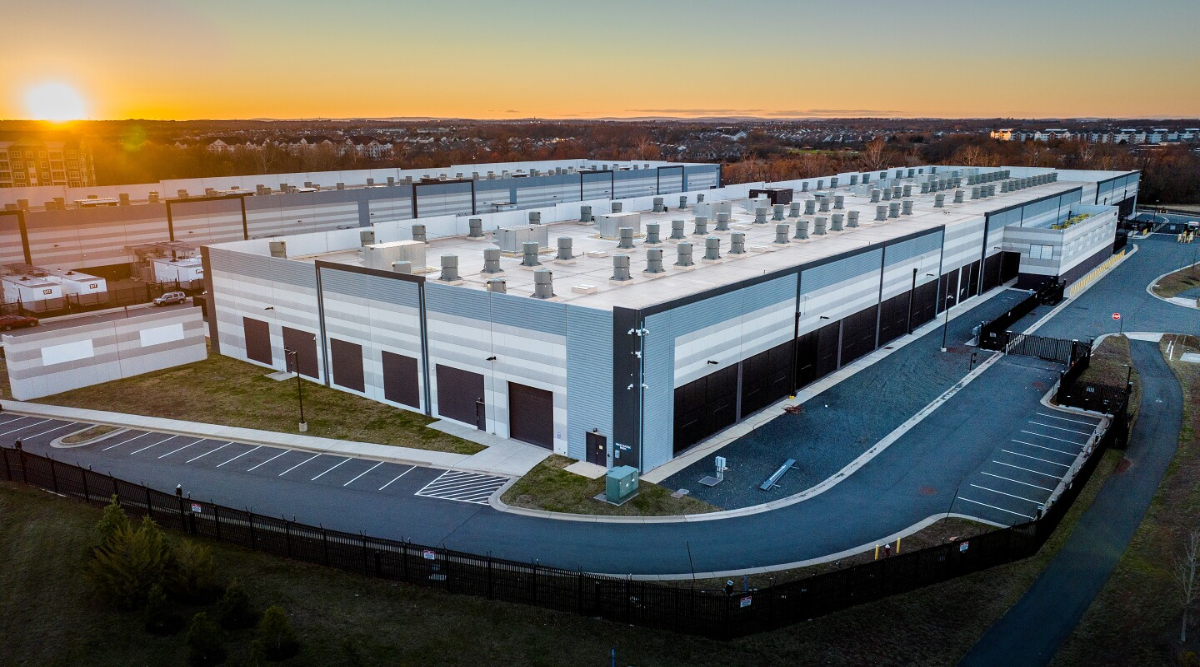
According to The Guardian, consumption of electricity is expected to nearly triple over the next decade after being largely flat for several years. At the current rate of growth, data centers could add 44 million tons of carbon dioxide to the atmosphere by 2030 — equal to adding 10 million cars to the roads and “exacerbating a climate crisis that is already spurring extreme weather disasters and ripping apart the fabric of the American insurance market.”
Advocates for AI focus on the good it can do, especially in the field of medicine. But you would have to be living under a rock not to know a significant portion of that electricity is powering crypto currencies, gaming, and the pornography industry. Even though those are crucial to a full and rewarding life, they hardly seem able to justify tripling the electricity supply and building huge networks of new high-voltage transmission lines.
The impact data centers have on carbon emissions is a concern. In June, The Guardian reported that “Google’s carbon emissions have soared by 51% since 2019 as artificial intelligence hampers the tech company’s efforts to go green. While the corporation has invested in renewable energy and carbon removal technology, it has failed to curb its scope 3 emissions, which are those further down the supply chain, and are in large part influenced by a growth in data center capacity required to power artificial intelligence.” Google’s consumption of electricity has risen more than 25 percent, that report claims.
Opposition To Data Centers Grows
This week, The Guardian reported that more than 230 environmental groups have come together in a coalition that is demanding a national moratorium on new data centers in the US. The opposition is fueled not by concerns over climate emissions as you might expect, but by anger at the steep rise in utility rates in the US as greedy investor-owned utilities race to service these important new customers and pass the costs on to their customers.
So far this year, the price of electricity has risen an average of 17 percent in America, but data centers — being large consumers — often get preferential rates. In Ohio, the PUC has crafted a novel rate setting structure to protect individual consumers from the costs attributed to supplying massive amounts of electricity to data centers.
The green groups include Greenpeace, Friends of the Earth, Food & Water Watch, and dozens of local organizations. Together, they are urging members of Congress to halt the proliferation of data centers, which they say are increasing emissions, sucking up vast amounts of water, and driving up utility bills.
A Pause On New Data Centers
“The rapid, largely unregulated rise of data centers to fuel the AI and crypto frenzy is disrupting communities across the country and threatening Americans’ economic, environmental, climate and water security,” the letter from the opposition groups said. It added that approval of new data centers should be paused until new regulations are put in place.
Sending letters to this do-nothing Congress is like making a pisshole in the snow for all the good it will do. As YIP Harburg wrote years ago, “Every congressperson has two ends — a sitting and thinking end. And since their whole career depends upon their seat… why bother, friend?”
Nearly 80 million Americans today are struggling to pay their bills for electricity and gas. Many voters, regardless of political party, blame data centers for this, Charles Hua, founder of PowerLines, told The Guardian.
“We saw rising utility bills become a core concern in the New Jersey, Georgia and Virginia elections, which shows us there is a new politics in America — we are entering a new era that is all about electricity prices,” Hua said. “Nobody in America wants to pay more for electricity and we saw in Georgia a meaningful chunk of conservative voters vote against the Republican incumbents, which was staggering.”
Hua said the causes of the electricity cost rises were nuanced, with ageing transmission lines and damage caused by extreme weather also adding to utilities’ costs on top of the surging demand for power. But it is the growth of data centers to service AI that is the focus of voter anger. Today nearly half of Americans say the cost of living in the US, including power, food and other essentials, is worse than they can ever remember.
A Groundswell Of Opposition
Emily Wurth of Food & Water Watch told The Guardian, “I’ve been amazed by the groundswell of grassroots, bipartisan opposition to this, in all types of communities across the US. Everyone is affected by this. The opposition has been across the political spectrum. A lot of people don’t see the benefits coming from AI and feel they will be paying for it with their energy bills and water. It’s an important talking point. We’ve seen outrageous utility price rises across the country and we are going to lean into this. Prices are going up across the board and this is something Americans really do care about.”
Indeed they do. The Moron of Mar-A-Loco is trying to turn “affordability” into a dirty word. To him this is all just another hoax, another scam. Do people ever tire of hearing him prattle on and on about his usual list of complaints? Apparently some, including Republicans, are sick to death of his schtick and are pushing back as the escalator transferring wealth from the bottom to the top of the social hierarchy runs faster than ever under his regime.
Billions & Billions For What?
Google, Meta, Amazon, Microsoft and others are investing billions upon billions in new data centers with little regard as to how they well be powered or the amount of water they will use to cool their servers. In the investment community, there are worries this whole AI adventure is out of control. More than one financial pundit has pointed out the similarity between this tech bubble and the one that burst at the dawn of the 21st century.
Everybody knows about the great tulip bubble in 1637, but no one seems to make the obvious connection between that experience and what is happening today. There are lots of folks who are concerned AI mania is just as susceptible to an implosion as the tulip market was five centuries ago.
Perhaps it is time to take a break from this manic imperative to build more and bigger data centers. What Alan Greenspan said about “irrational exuberance” in 1996 is just as pertinent today as it was then. Few listened to what Greenspan had to say. Is anyone listening today?
Sign up for CleanTechnica’s Weekly Substack for Zach and Scott’s in-depth analyses and high level summaries, sign up for our daily newsletter, and follow us on Google News!
Have a tip for CleanTechnica? Want to advertise? Want to suggest a guest for our CleanTech Talk podcast? Contact us here.
Sign up for our daily newsletter for 15 new cleantech stories a day. Or sign up for our weekly one on top stories of the week if daily is too frequent.
CleanTechnica uses affiliate links. See our policy here.
CleanTechnica’s Comment Policy