
Digital Revolution in Mining and Metals Promises Up to 15% Efficiency Gains

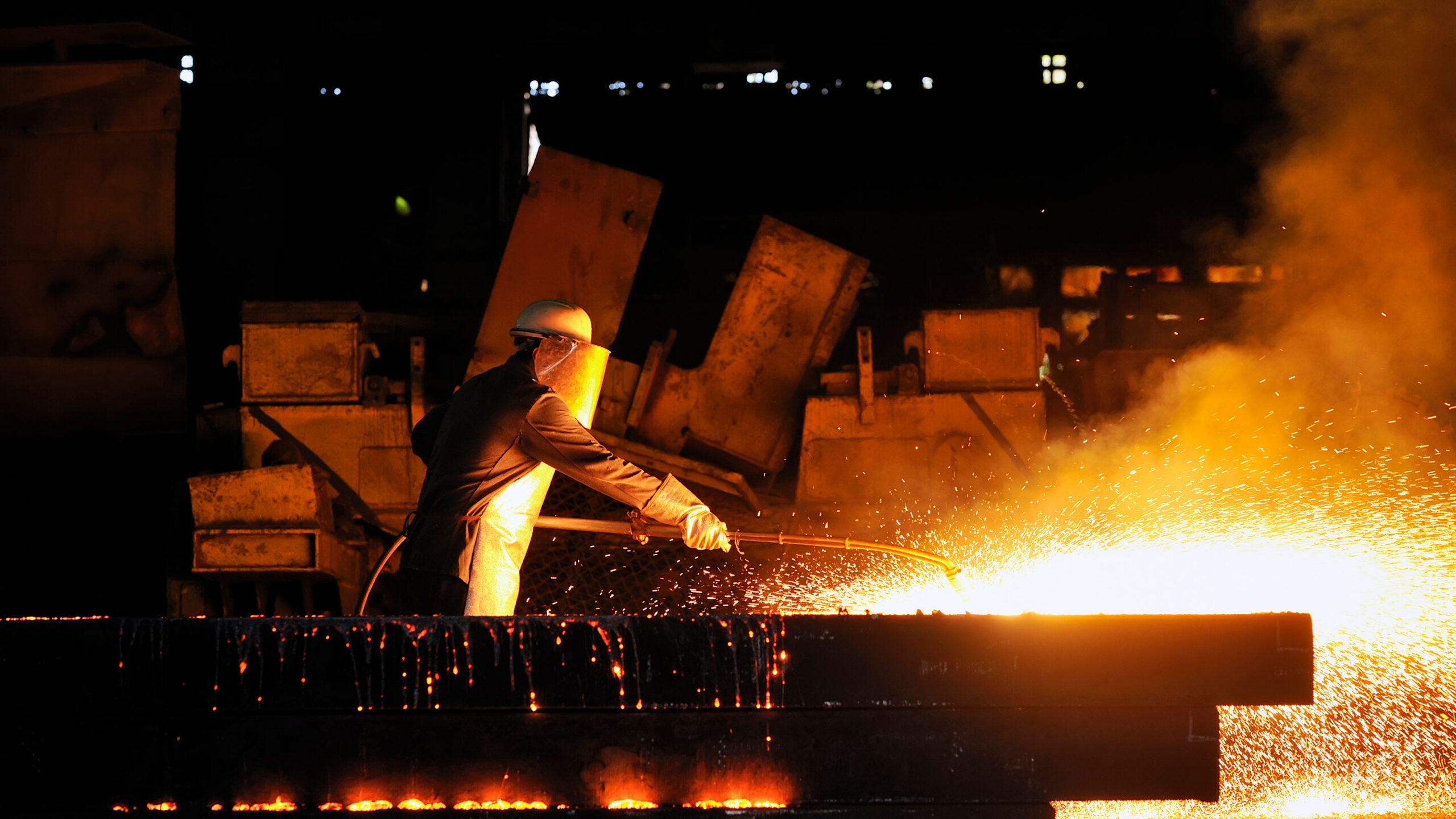
A recent report has spotlighted the transformative potential of digitalisation and automation in the mining and metals sector, suggesting efficiency gains of up to 15%. Spearheaded by the Federation of Indian Chambers of Commerce and Industry (FICCI) in collaboration with Crisil, the study emphasizes how technologies like artificial intelligence (AI), the Internet of Things (IoT), and robotics can revolutionize operations. Focused on India’s mining landscape, the report underscores that these gains could match those previously sought through import safeguard duties, offering a competitive edge amid global pressures. This revelation has sparked optimism among industry stakeholders, though it also invites scrutiny over implementation feasibility.
Global Trends Drive Local Transformation
The strategic context of this report builds on a global shift toward the fourth industrial revolution, where digital tools are redefining resource extraction and processing. In India, the mining sector faces challenges like resource depletion and environmental regulations, including the EU’s carbon border adjustment mechanism, making technological adoption a critical lever. The FICCI-Crisil analysis draws from international examples, such as McKinsey’s insights on digital innovation and BCG’s Digital Acceleration Index, highlighting automation’s role in reducing costs by 15-40% in haulage operations. X posts reflect a mix of enthusiasm for productivity boosts and concern over job displacement, reflecting the broader debate on balancing technology with human labor in this traditionally conservative industry.
Impacts Reshape Productivity and Sustainability
The implications of this digital shift are vast across economic, environmental, and social dimensions. Economically, a 10-15% efficiency increase could translate to significant cost savings, potentially paying for itself within two years, and bolster India’s $12.18 billion textile export market by ensuring raw material stability. Environmentally, automation and IoT enable real-time monitoring to reduce carbon emissions, aligning with global sustainability goals. Socially, the report advocates for workforce upskilling to adapt to new technologies, though it risks widening skill gaps if not managed inclusively. Operationally, integrating these systems may strain existing infrastructure, challenging the narrative of seamless technological adoption pushed by industry leaders.
Hurdles Test Industry Readiness
Significant challenges accompany this digital push. Operationally, the transition requires substantial investment in infrastructure and training, posing risks for smaller firms unable to keep pace. Economically and socially, automation could lead to job losses, particularly in remote mining areas, while environmental benefits might be offset by initial energy demands of new systems. Policy risks include regulatory gaps in enforcing sustainable practices, and the establishment’s portrayal of a smooth digital shift invites skepticism, given the industry’s historical resistance and the lack of uniform adoption rates. The complexity suggests that without tailored support, the promised gains may remain theoretical.
Prospects Unlock Innovation and Growth
Despite the obstacles, opportunities abound for the sector’s evolution. Economically, successful digitalisation could attract investment, driving growth in mining hubs like Australia and India, with the Asia Pacific market leading due to automation adoption. Socially, upskilling programs could empower workers, fostering a tech-savvy workforce and reducing regional disparities if implemented equitably. Policy-wise, this could spur collaboration between governments and tech providers to set standards for sustainable mining, potentially influencing global frameworks. Innovative approaches, such as AI-driven predictive maintenance or drone-based exploration, could emerge, offering a path to maximize efficiency. Whether this heralds a new era or falters depends on execution, but it highlights mining’s potential in the digital age.
Outcome Hinges on Strategic Implementation
The FICCI-Crisil report’s projection of up to 15% efficiency gains through digitalisation and automation presents a compelling vision for the mining and metals industry. While the promise of productivity and sustainability excites stakeholders, the transition’s success hinges on overcoming operational challenges and policy gaps. Amid opportunities for innovation and growth, the establishment’s optimistic narrative warrants critical review, given historical adoption hurdles. The industry’s future—whether it embraces this digital revolution or stumbles under its weight—rests on strategic planning and inclusive action to realize the report’s transformative potential.