

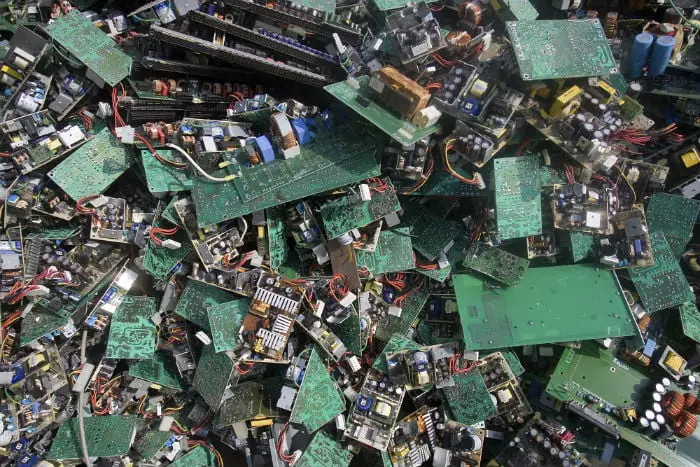
As India continues its rapid digital transformation and technology adoption, the country faces a mounting challenge: e-waste. Yet, hidden within this growing problem lies a significant opportunity—recovering critical minerals essential for high-tech industries, renewable energy, and defense. E-waste recycling could become a cornerstone for India’s self-reliance in critical minerals.
The E-Waste Challenge in India
India generates over 3 million tonnes of e-waste annually, comprising discarded electronic devices such as smartphones, laptops, batteries, and household appliances. With technology adoption accelerating and the lifespan of gadgets shortening, this volume is expected to rise sharply. Improper disposal of e-waste not only harms the environment but also represents a loss of valuable resources.
E-Waste as a Source of Critical Minerals
E-waste is rich in critical minerals such as lithium, cobalt, nickel, copper, gold, and rare earth elements. These minerals are integral to the production of batteries, semiconductors, renewable energy components, and advanced electronics. Recovering these resources through recycling can reduce India’s dependence on imports, secure supply chains, and lower environmental impact.
1. Lithium and Cobalt:
Used extensively in lithium-ion batteries for electric vehicles (EVs) and portable electronics, these metals are in high global demand. Recycling spent batteries can reclaim significant quantities of lithium and cobalt.
2. Copper and Nickel:
Essential for electrical wiring, electronics, and renewable energy infrastructure, copper and nickel can be efficiently recovered from e-waste, reducing mining pressure.
3. Precious Metals:
Gold, silver, and palladium found in circuit boards and connectors can be extracted and reused, offering both economic and environmental benefits.
Advantages of E-Waste Recycling
1. Economic Opportunity:
Recycling e-waste can create a domestic supply of critical minerals, supporting industries such as EV manufacturing, renewable energy, and electronics. It also provides employment in the recycling and materials recovery sector.
2. Environmental Sustainability:
Proper recycling reduces toxic waste leaching into soil and water, lowers carbon emissions associated with mining, and conserves natural resources.
3. Strategic Independence:
By reclaiming critical minerals domestically, India can reduce reliance on imports from resource-rich countries, enhancing economic and technological security.
Challenges to Overcome
Despite its potential, e-waste recycling in India faces hurdles. Informal recycling units often lack proper technology, leading to inefficient recovery and environmental hazards. Additionally, public awareness and collection mechanisms remain limited. Addressing these challenges requires investment in modern recycling infrastructure, formalization of the sector, and stringent regulations to ensure compliance.
Way Forward
India needs a multi-pronged strategy to fully leverage e-waste as a source of critical minerals:
-
Advanced Recycling Technologies: Invest in modern, efficient methods to maximize recovery rates of valuable metals.
-
Regulatory Frameworks: Implement strict guidelines to manage collection, processing, and disposal of e-waste.
-
Public Awareness and Incentives: Encourage consumers and businesses to return used electronics through buy-back and deposit schemes.
-
Partnerships and Innovation: Collaborate with technology providers and research institutions to develop cost-effective and scalable recycling solutions.
Conclusion
E-waste is more than a disposal problem—it is a resource opportunity. By strategically recycling electronic waste, India can secure a steady supply of critical minerals, support industrial growth, protect the environment, and strengthen its position in the global technology and green economy. With the right policies, investments, and innovation, e-waste could transform from a liability into a vital asset for India’s sustainable development.