
Electrification may be the lever to pull for Canadian mining outperformance, EY report says

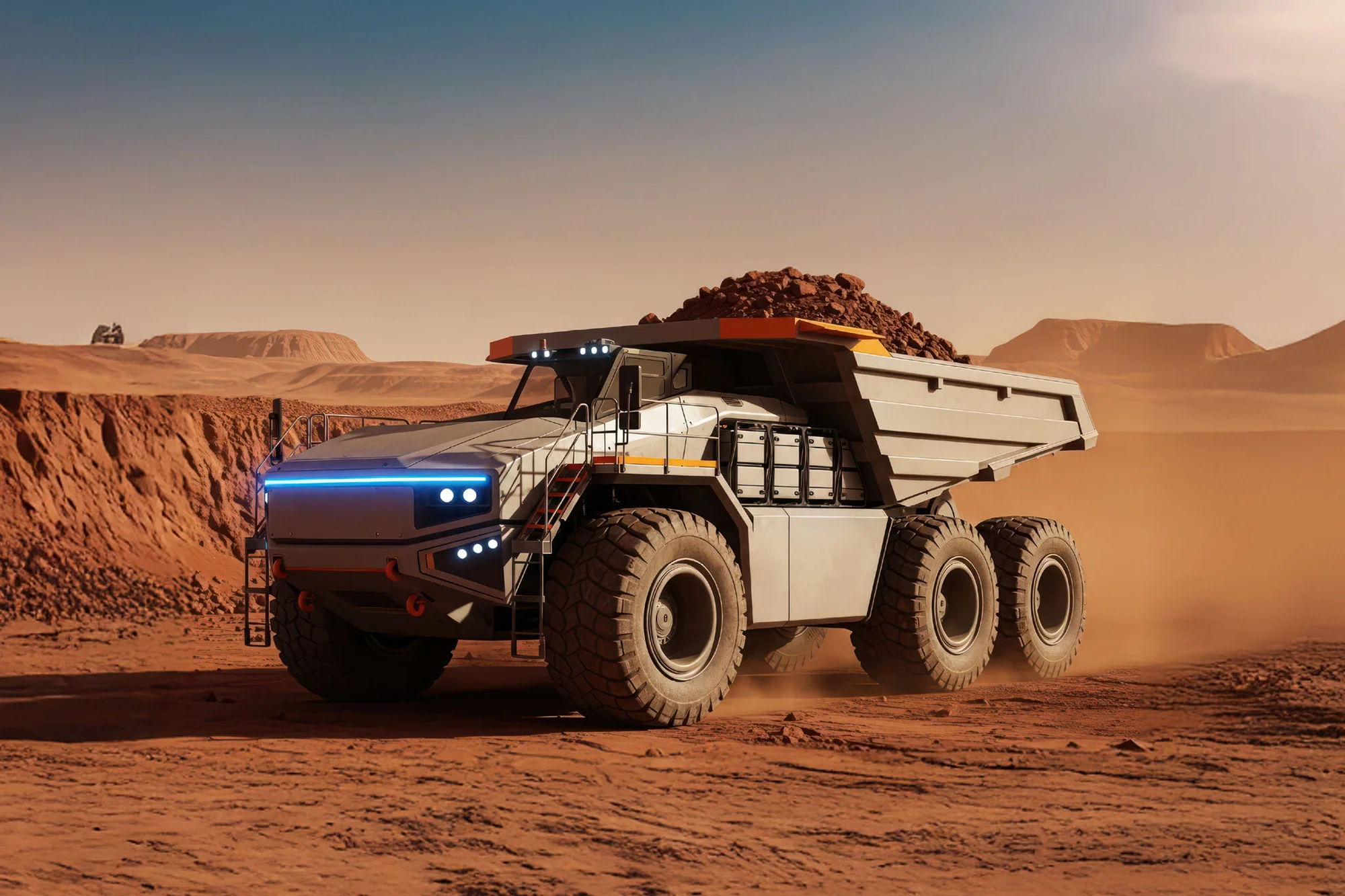
For mining fleet managers in Canada and around the world, electrification is no longer a vision of a remote and distant future, with EY opining that the ability to electrify may be the lever that determines which Canadian mines lead from the front as the sector transforms.
With federal commitments to reduce greenhouse gas (GHG) emissions by 40-45% by 2030, and ambitious net-zero decarbonisation targets by 2050, electrification has become an everyday reality, Jason Clifton, Partner, Consulting, EY Canada; and Karen D’Andrea, Manager, Business Consulting, EY Canada, say.
As countries look to harness the benefits of electric power – from lower operating costs to clean, affordable and abundant power in an environmentally responsible and renewable package – Canada as a whole is both well equipped and well positioned to embrace an electrified future. In a sector where leaders rate availability and access to capital as a top risk, regulations, federal and provincial tax credits and programs are aligning to help seize opportunity and invite deployment. Homegrown innovation is being encouraged to boost economic growth and expand the national grid.
Transportation comprises 22% of emissions in Canada, with mining responsible for its fair share. And, while electrification in mining is not yet widespread, it’s picking up momentum. Equipment electrification is expected to grow from $3.05 billion to $10.51 billion by 2033. By 2030, Canada’s clean energy GDP is projected to reach C$107 billion ($78 billion), driven by C$58 billion in annual investments. Within a decade, it’s estimated that almost half of the transportation sector’s GDP and employment will be at the hands of electric mobility.
With global investment in clean energy having risen to a record $1.8 trillion in 2023, it’s clear that diesel’s century-long grip on mining is weakening as the sector enters its renaissance, according to Clifton and D’Andrea. And with Industry 4.0 capabilities — including the industrial internet of things, automation, AI-driven operating systems, digital twinning and real-time analytics — colliding to create near-perfect conditions for integration, the industry is reaching a tipping point where electric fleets may not just be possible, but preferable, as the industry redefines its low-carbon future.
A few hard seams
The Government of Canada’s electric vehicle mandate announcement in 2022 established a target of 100% of light-duty vehicles sold being zero-emission by 2035. Along with related incentives, this announcement had both the public and industry warming to the possibilities. Not unlike light-duty vehicles, medium- and heavy-duty battery electric vehicles (BEVs) have a history of use in mining and, more recently, in underground mining, despite the potential concerns and drawbacks.
Caution flags have been raised on safety, with near-silent operations leading to more accidents, while fires from collisions and charging mishaps have created risk in underground environments.
Battery technology cannot always meet the demands of heavy-duty mining operations. Issues such as energy density, weight, charge time, lifecycle and even extreme weather can impact practicality, as can emerging technologies, as electrification and battery technologies evolve. In addition, the availability of BEVs for purchase and a non-standardised battery and charger market, while improving, are still not where they could be. Integrating battery-powered vehicles into a diesel fleet also poses complications and raises infrastructure considerations. Like load increase on the grid, which is built on demand but can take years to assess and approve and upwards of $45 million in capital investment to realise. Brownfield retrofits often require mine redesign to accommodate the turn radius and dimensions of BEVs and the strategic placement of charging equipment to optimise runtime.
And while the costs of electrification and the disposal or recycling of batteries at the end of their lifecycle should not be underestimated in a capital-restrained sector, it’s not proving prohibitive. This is particularly true when considering the millions of dollars — or up to 40% of an underground mine’s energy outlay — that are spent on complex ventilation systems that regulate diesel emissions.
But with so much on the line, and few success stories and leading practices to draw from globally, many are waiting to see how the regulatory environment and infrastructure needed to support electrification will unfold, and how increased draw will impact the grid, according to Clifton and D’Andrea. Some are waiting to make the switch until the supply chain, equipment and parts markets mature, and transmission, energy storage and battery recycling technologies evolve. And yet others are reluctant to take the plunge, worried that future regulations could hinder operations converted today.
In a sector redefining its future, it can be daunting to pioneer as an early adopter, but much more palatable to follow quickly behind.
BEVs make a safer underground
But the truth is that despite the challenges, electrification in mining is a good fit. Acknowledged for their efficiency — 90% versus 30% for diesel engines — BEVs are smaller, can offer double the horsepower, travel faster and reduce cycle times to deliver greater productivity. Experiencing an estimated 40% less maintenance, they require fewer parts, experience less downtime and, with lower fuel and operating costs, can expedite cost of ownership.
Solutions like EY’s UtilityWave can track, monitor and understand charging networks, providing mining organisations with the analytics to optimise reliability and asset utilisation. Upfront planning for visibility and control can help identify opportunities to accelerate the energy transition, unlocking value from data, including operational savings.
In addition to cost savings, BEVs are commended for being quieter, cleaner and operating in a cooler manner, creating healthier work environments. Where temperatures from equipment and processing can soar to 50°C, and air quality can reach high concentrations of diesel exhaust fumes, toxins and particulate matter, BEVs reduce heat, eliminate emissions and cut down on equipment noise and vibration.
When it comes to safety, a fire deep underground can be a matter of life and death. But a fire is a fire, regardless of how it’s caused. And while there’s limited data comparing BEV and diesel fires in mining, statistics show that fire rates of passenger internal combustion engine vehicles can be 11 times higher than that of equivalent BEVs.
Safety concerns associated with BEVs, however, are considered manageable, according to EY Community of Interest participants. Change plans and training workers to handle high-voltage systems — and upskilling them on battery maintenance — will be critical to sustaining and scaling electrically for the future, as will strong fire emergency response plans. Both initiatives could benefit from sectoral collaboration. Working together to develop knowledge-transfer apprenticeships and formalised training programs for preparedness would benefit all.
Collaboration and innovative advancements in recycling technologies represent a circular economy opportunity for those interested in investing. And the improvement in air quality BEVs bring, thanks to reduced pollutants, improve conditions not only for mine employees but for surrounding communities as well.
Converting to electric can be a sign of goodwill to neighbours and Indigenous communities and can help mining organisations meet their ESG goals, facilitating social licence to operate and positively impacting brand with the public, regulators and potential financiers, according to Clifton and D’Andrea.
Capturing value
Despite the many benefits, the question remains: is electrification the most attractive financial option to meet emissions mandates? In the right circumstances, there is a clear business case to take the electrification plunge and decarbonise through electrification.
In Canada there is both support and important precedent. Statistics show that Ontario mines have adopted clean technologies at higher rates than industries such as utilities and manufacturing, pioneering the integration of BEVs over the past decade. In 2024, the number of Canadian underground mines that trialled or acquired BEVs outnumbered sites elsewhere in the world by two to one. And, yet of the attendees participating in EY’s Mine Electrification Community of Interest, including eight leading Canadian mining companies, most said they were nearing or had just started deployment of BEVs.
Incentives, like the Low Carbon Economy Fund used to electrify IAMGOLD’s Côté mine in Sudbury, Ontario, may help sectors like mining take steps to reduce emissions and create jobs while building a sustainable future for generations to come.
Tax credits, like the clean technology investment tax credit and the critical minerals exploration tax credit – which expanded eligibility requirements in this year’s federal budget – are supporting players across the value chain.
The creation of the $2 billion Critical Minerals Sovereign Fund and First and Last Mile Fund will invest in getting near-term critical minerals projects to production. Financial incentives like the Critical Minerals Infrastructure Fund, the Canada First Research Excellence Fund (CFREF) and the Strategic Innovation Fund (SIF) – which invested $100 million to develop a world-leading, low-emissions potash mine in Saskatchewan – and post-secondary and research collaborations are creating opportunities for mining organizations regardless of their size.19
A leg up
Incentives can contribute to the discussion around payback periods and help clarify ROI uncertainty. And policymaker mandates and government support of pilot projects — like those helping to make electric load-haul-dump machines one of the fastest-growing segments in confined mine environments — are moving the needle forward.
There are four key actions businesses in the sector can take today to help pave the way for electrification and the advancement of mining as a whole:
- Aligned voice. Having the money to purchase new equipment, build infrastructure and implement technology requires investment. Defining the value proposition to instill confidence and invite investment will take collaboration, both within mining and cross-functionally outside of it. Taking up the mantle together and aligning on broader goals to streamline progress will help keep investment at the forefront of clean technology efforts;
- Identity advantage. As mining defines its future, it will be important to address the sector’s image and perception. By showcasing the value mining brings across all aspects of daily life, sharing EV advancements and success stories and dispelling myths through public relations campaigns, the sector can foster public support and build a more modern brand for the future;
- Strategic synergies. Collaborating with educational institutions can encourage younger professionals to consider a career in mining, addressing brain drain and the “grey tsunami” of an aging workforce, as well as the need for new capabilities to manage Industry 4.0 and its technological change. It can help in supporting training – including safety training on electrical systems – and advance research and innovation of recycling technologies, rapid-battery swapping systems and autonomous capabilities, and the need for lighter, longer-lasting and faster-charging batteries, energy storage and grid capabilities; and
- Borrowed brilliance. Learning from the real-world experiences of other industries that have walked the path ahead of mining, like public transport authorities, can provide critical time-saving advantages. Having already established long-term strategies, following in their footsteps can guide policy and regulation efforts, help facilitate adoption and build relationships based on shared goals, accelerating Canada’s net-zero goals.
While continued innovation and unprecedented collaboration will help cut the path to electrification, doing so will represent a fundamental shift, demanding new ways of thinking and operating. Done right, the adoption and advancement of electrical power in mining has the potential to unlock exponential value and positive change, and position Canadian mines as sustainability leaders on the world stage.
The post Electrification may be the lever to pull for Canadian mining outperformance, EY report says appeared first on International Mining.