
Facing China Curbs, India Turns to Private Companies to Secure Global Mineral Supply

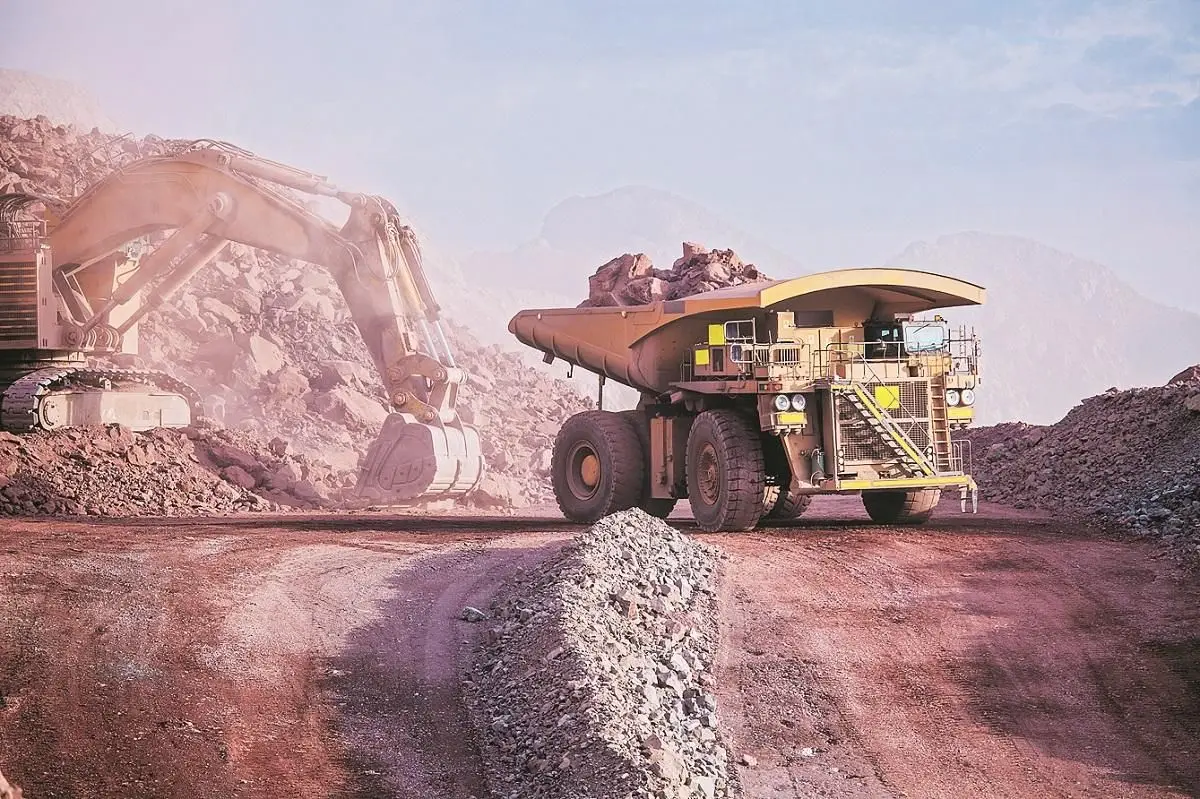
In response to China’s growing export restrictions on key rare earth minerals, the Indian government has initiated a strategic shift by involving private companies in securing global mineral supply chains. This development comes amid rising concerns over supply disruptions and economic vulnerability due to India’s dependence on imports from China, which currently dominates the global market for critical minerals.
Background: China’s Export Curbs
China, which controls over 90 percent of global rare earth magnet production and a significant portion of mineral processing capacity, recently imposed curbs on the export of several strategic minerals. These include elements essential to manufacturing electric vehicles, wind turbines, defense systems, and electronics. The new export restrictions have impacted global markets and prompted countries like India to reassess their resource strategies.
National Critical Mineral Mission
In response, the Indian government launched the National Critical Mineral Mission earlier this year, with an outlay of over ₹16,000 crore and an additional ₹18,000 crore through public sector undertakings. The mission is aimed at building domestic capabilities in exploration, processing, and recycling of critical minerals such as lithium, cobalt, nickel, and rare earth elements.
A major feature of the mission is to enable Indian private companies to acquire mineral assets abroad. These firms will be supported in overseas mining operations, mineral procurement agreements, and partnerships with resource-rich nations. The goal is to ensure consistent and reliable access to essential minerals and reduce dependency on Chinese imports.
Role of the Private Sector
Recognizing the limitations of public sector capacity, the government is encouraging private sector leadership in building end-to-end critical mineral value chains. Several Indian companies have submitted proposals to establish local production of rare earth magnets and advanced materials.
For instance, automotive component manufacturers are planning to locally produce permanent magnets, which are currently imported in large quantities from China. These initiatives are expected to receive support under a new government incentive scheme worth ₹3,500 to ₹5,000 crore, designed to attract investment in strategic materials manufacturing.
Global Partnerships and Diversification
India is also strengthening international partnerships to diversify its sources of mineral supply. As part of the US-led Mineral Security Partnership, India is working with countries such as Australia, Argentina, Japan, and Mongolia to access critical minerals through joint ventures, exploration agreements, and technology collaborations.
Additionally, under multilateral platforms such as the Quad, India is participating in initiatives focused on securing and stabilizing global supply chains for rare earths and other strategic resources.
Domestic Capacity and Challenges
Despite having one of the world’s largest rare earth reserves, India’s domestic processing and refining capabilities remain underdeveloped. State-owned entities currently process a small fraction of the country’s potential output. Building a robust critical minerals ecosystem will require significant investment in research and development, skilled manpower, and technological infrastructure.
There are also regulatory and environmental hurdles associated with mining and refining activities. Experts emphasize the need for streamlined clearances, public-private coordination, and sustainability safeguards as India ramps up its domestic production.
India’s decision to involve private companies in securing global mineral supplies marks a critical step toward achieving strategic autonomy in essential sectors. As global competition intensifies over control of rare earths and advanced materials, India’s new approach—backed by government incentives and international partnerships—aims to build long-term resilience and ensure uninterrupted access to the minerals that power modern technology and national security.