
Forging India’s Metals Security: Innovation Needed to Meet Rising Demand

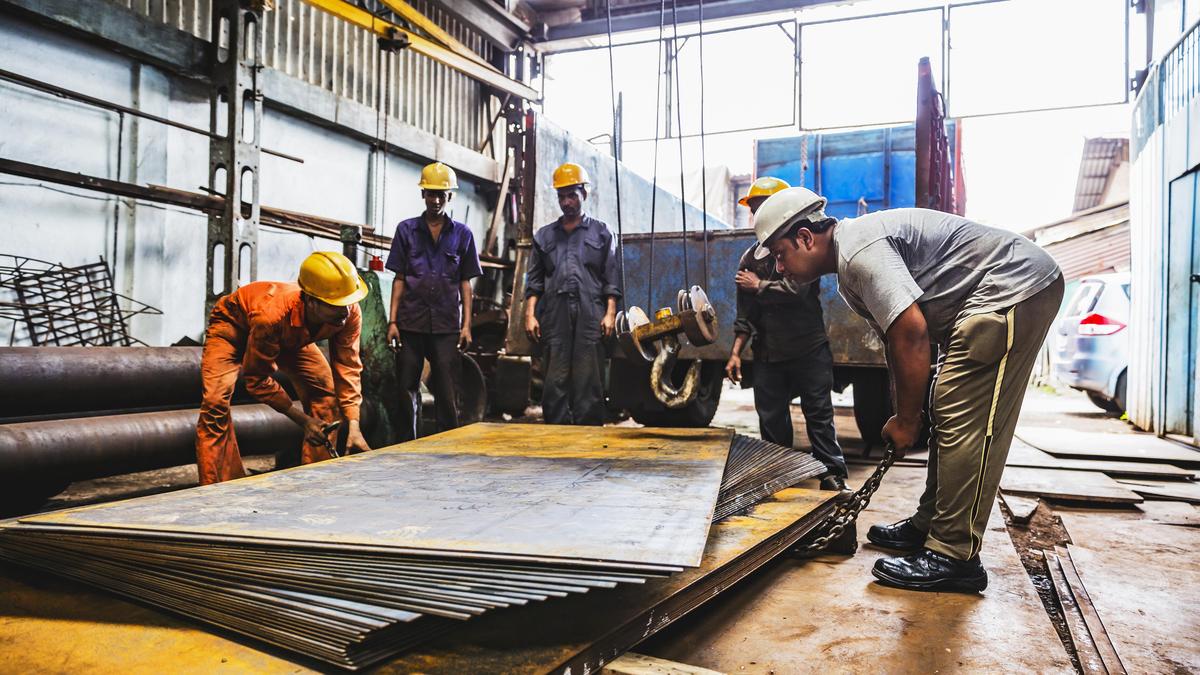
India’s rapidly expanding infrastructure projects and the surge of new-age sectors such as electric vehicles, renewable energy, and electronics are driving a sharp increase in demand for metals. From steel and aluminum to critical minerals like lithium and copper, the country’s metals ecosystem faces both an opportunity and a challenge — ensuring long-term supply security while embracing technological innovation.
As India aspires to become a global manufacturing hub, the need for metallurgical innovation has become paramount. Experts emphasize that advancements in recycling technologies, low-carbon smelting, and materials science are essential to meet sustainability targets and reduce import dependency. Developing domestic refining capacity and expanding exploration for critical minerals will also be key to strengthening the nation’s industrial backbone.
With global supply chains becoming increasingly volatile, India’s focus is shifting toward building self-reliant and resilient metal value chains. Policymakers are encouraging research collaborations between industry and academia to accelerate breakthroughs in metallurgy that can support clean energy transitions and next-generation manufacturing.
The path ahead, analysts suggest, lies in balancing economic growth with environmental responsibility — forging not just metals, but the future of India’s industrial strength.