
Forging the Future: Thriveni’s Drive Towards Green Mining Excellence

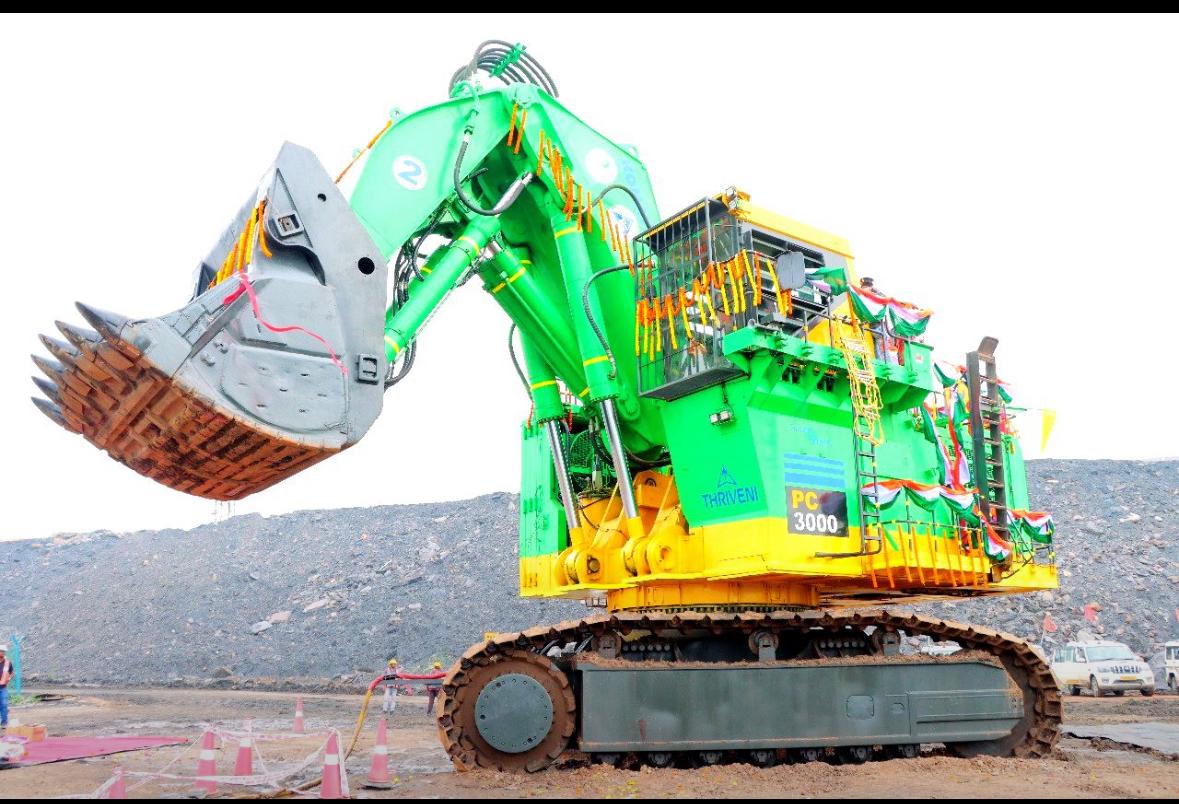
In an era where sustainability is a critical imperative, Thriveni Group has emerged as a trailblazer in transforming India’s mining industry through innovation and environmental stewardship. By integrating advanced technologies to reduce carbon emissions and shift away from fossil fuel dependency, Thriveni is setting new standards for responsible resource extraction. The recent electric conversion of the PC 3000 excavator at the Pakri Barwadih Coal Mining Project marks a significant milestone in the company’s decarbonization efforts. This article explores Thriveni’s green mining initiatives, their alignment with national priorities like Make in India, and the broader implications for sustainable mining in India.
Background: The Push for Sustainable Mining
India’s mining sector, a backbone of the country’s energy and industrial ecosystems, faces increasing pressure to balance productivity with environmental responsibility. Coal mining, which accounts for over 80% of India’s coal production through companies like Coal India Limited, contributes significantly to greenhouse gas emissions due to its reliance on diesel-powered heavy equipment. The government’s commitment to net-zero emissions by 2070, coupled with initiatives like Atmanirbhar Bharat and Make in India, has spurred industry leaders to adopt cleaner technologies and reduce environmental impacts.
Thriveni Group, a leading mining and mineral processing company, operates across coal, iron ore, and other mineral sectors, with a strong presence in states like Jharkhand, Odisha, and Karnataka. The company’s focus on sustainability aligns with India’s broader goals of decarbonizing energy-intensive industries while fostering indigenous innovation and self-reliance.
Thriveni’s Electric Transformation
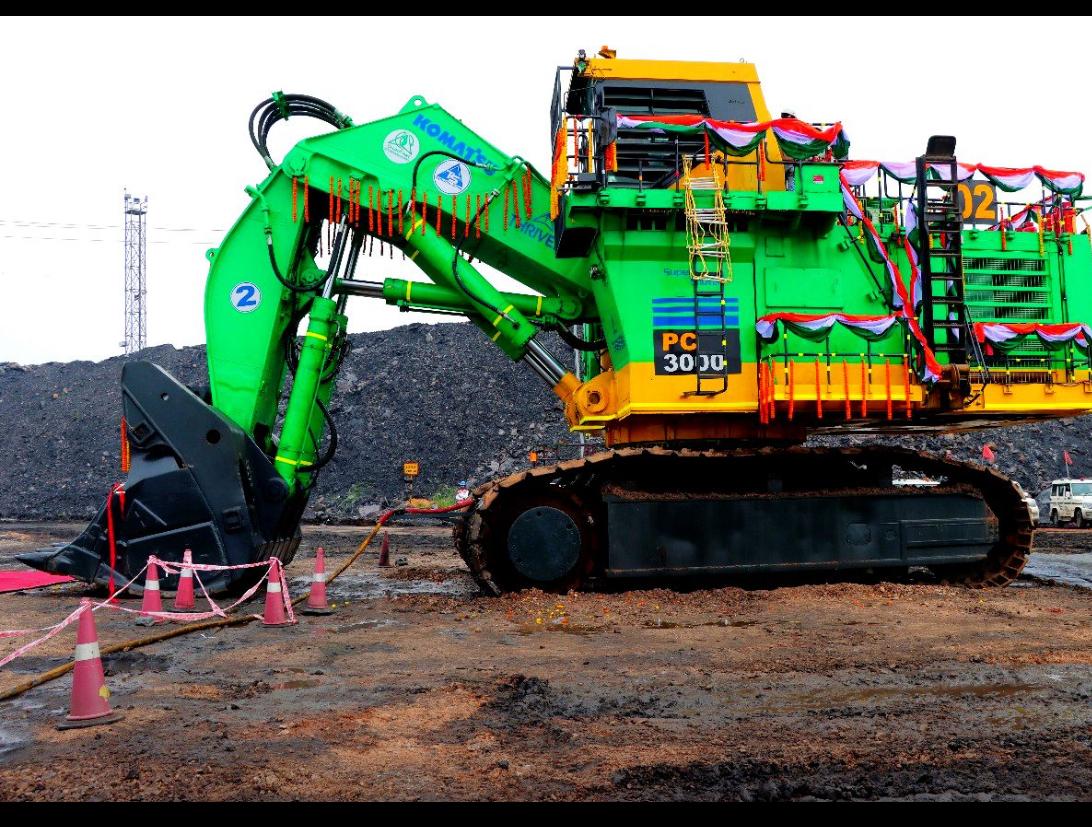
Thriveni Group has made significant strides in electrifying its mining operations, a critical step toward reducing carbon emissions and operational costs. The recent conversion of the PC 3000, a high-efficiency mining excavator, to electric power at the Pakri Barwadih Coal Mining Project in Jharkhand is a landmark achievement. This retrofit marks the fifth electric conversion at the site and the eleventh electric heavy equipment deployment across Thriveni’s operations over the past five years.
The company’s electric fleet now includes a range of advanced machinery:
-
RH 340 (34 cubic meters)
-
Hitachi EX 2500 (15 cubic meters)
-
PC 3000 (15 cubic meters)
-
Five Rope Shovels (10.5 cubic meters)
These machines, retrofitted or designed with electric power systems, demonstrate Thriveni’s in-house engineering expertise and commitment to operational excellence. By replacing diesel-powered equipment, the company has significantly reduced fuel consumption and emissions, contributing to cleaner mining operations.
Alignment with National Priorities
Thriveni’s green mining strategy is closely aligned with the Indian government’s Make in India and Atmanirbhar Bharat initiatives, which emphasize domestic manufacturing and self-reliance. The company’s investments in electric equipment conversions and sustainable infrastructure reflect its commitment to nurturing local expertise and adopting global best practices. By developing indigenous solutions for retrofitting heavy machinery, Thriveni is reducing reliance on imported technologies and fostering technical capacity within India’s mining sector.
The Pakri Barwadih project, one of India’s largest coal mining operations, serves as a testing ground for these innovations. The successful deployment of electric equipment there underscores the scalability of Thriveni’s approach, offering a model for other mining companies in India and beyond. The company’s efforts also complement government initiatives like the PM GatiShakti program, which aims to enhance multi-modal connectivity for resource transport, and the recent e-truck incentive scheme under PM E-DRIVE, launched on July 11, 2025, to decarbonize freight logistics.
Environmental and Economic Impacts
Thriveni’s shift to electric equipment has significant environmental and economic benefits. By replacing diesel-powered machinery, the company is reducing carbon emissions and dust pollution, key concerns in coal mining regions like Jharkhand. According to industry estimates, electrified mining equipment can reduce CO2 emissions by up to 40% compared to diesel counterparts, supporting India’s net-zero 2070 target. Additionally, electric systems lower fuel costs, enhancing operational efficiency and reducing the overall cost of coal production, which is critical for maintaining competitiveness in energy markets.
The transition also creates green jobs in engineering, maintenance, and technology development, contributing to economic growth in mining communities. Thriveni’s focus on in-house innovation ensures that these benefits are localized, strengthening India’s mining ecosystem and supporting the Atmanirbhar Bharat vision.
Challenges in Green Mining Adoption
Despite its progress, Thriveni faces challenges in scaling its green mining initiatives. The high upfront costs of retrofitting or procuring electric equipment require significant capital investment, a concern echoed in recent industry discussions, such as the “Workshop on Challenges of First Mile Connectivity” held by Coal India on July 14, 2025. Limited charging infrastructure in remote mining areas and the need for skilled technicians to maintain electric systems pose additional hurdles. Furthermore, ensuring a stable supply of critical minerals like lithium and copper, as highlighted by recent concerns over India’s copper import rules, is essential for sustaining the production of electric equipment and batteries.
Posts on X reflect industry optimism about Thriveni’s efforts but also note challenges, with users highlighting the need for government support in the form of subsidies or streamlined regulations to accelerate the adoption of electric mining equipment. Collaborative efforts with public sector enterprises and research institutions could further address these barriers.
Broader Industry Context
Thriveni’s initiatives come at a time when India’s mining sector is undergoing significant transformation. The government’s focus on sustainable resource extraction, as seen in initiatives like coal gasification and first mile connectivity projects, underscores the need for innovation in the coal industry. Thriveni’s electric fleet aligns with these priorities, positioning the company as a leader in green mining. The global push for decarbonization, coupled with India’s growing coal demand—projected to reach 1 billion tonnes by FY27—further emphasizes the importance of sustainable practices in the sector.
The company’s efforts also resonate with global trends, as countries like Australia and Canada invest in electric mining equipment to reduce emissions. By pioneering these technologies in India, Thriveni is not only addressing local challenges but also contributing to the global discourse on sustainable mining.
Thriveni Group’s commitment to green mining, exemplified by the electric conversion of the PC 3000 excavator and the deployment of an advanced electric fleet, marks a transformative step in India’s mining industry. By integrating cutting-edge technologies, fostering indigenous innovation, and aligning with national priorities like Make in India, Thriveni is redefining the balance between productivity and environmental responsibility. Despite challenges, the company’s leadership in sustainable mining offers a scalable model for the industry, supporting India’s net-zero ambitions and economic growth. As Thriveni continues to forge a greener future, it stands as a beacon of innovation and responsibility in the quest for a sustainable mining ecosystem.