
From NATGRID to Mining Grid: Piyush Goyal’s Vision for Critical Minerals & Sustainability

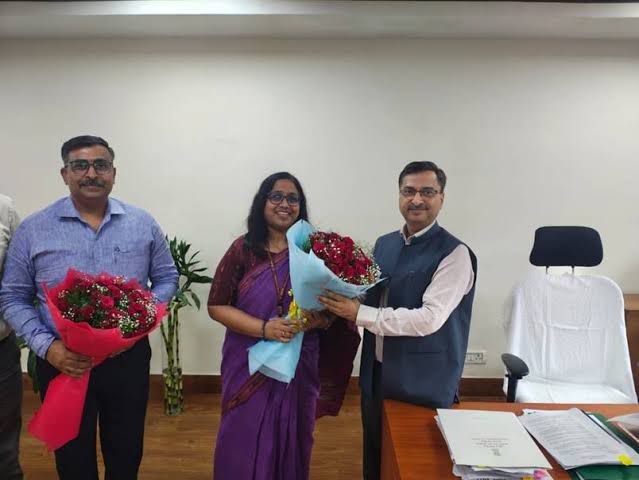
On September 4, 2025, Shri Piyush Goyal, a 1994-batch IAS officer of the Nagaland cadre, officially assumed charge as Secretary of the Ministry of Mines, succeeding V. L. Kantha Rao. Prior to this appointment, Goyal served as the Chief Executive Officer of NATGRID under the Ministry of Home Affairs.
A Strategic Transition in Leadership
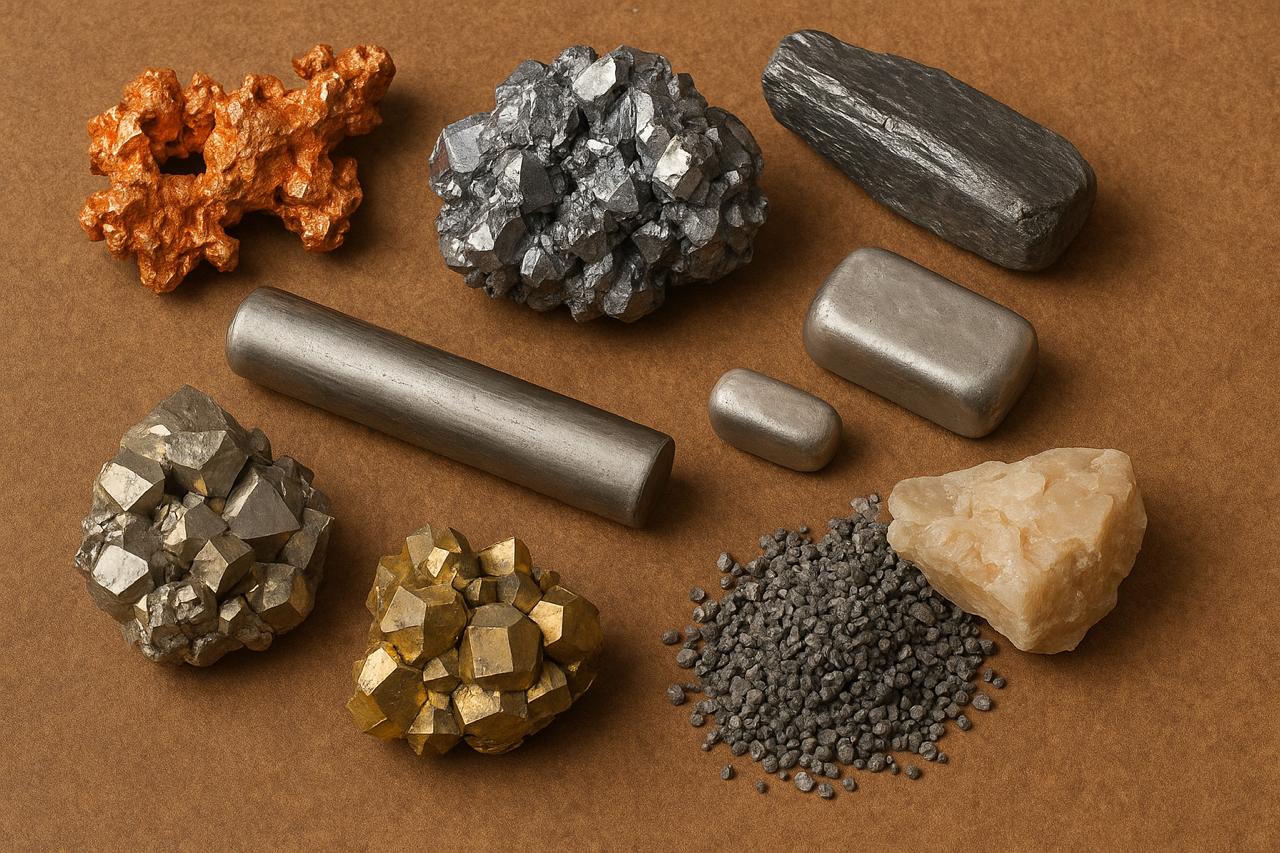
Goyal’s appointment comes at a critical juncture. The global and domestic landscape underscores heightened demand for critical minerals—including lithium, cobalt, nickel, and rare earth elements—which are indispensable for the energy transition, electric vehicles, renewable energy technologies, and advanced manufacturing. Securing a steady and sustainable supply of these is central to India’s self-reliance and net-zero emissions ambitions.
Beyond mineral supply, the Ministry of Mines plays a pivotal role in shaping India’s mineral policy, overseeing exploration, and ensuring sustainable and transparent mining practices.
Piyush Goyal’s Vision: Steering the Mining Sector Forward
MMPI (Metals Minerals Publication of India) foresees the following actionable measures for India’s critical mineral sector:
1. Strengthening Critical Mineral Security
Goyal’s ascension occurs against a backdrop of surging global interest in minerals critical to clean energy. His leadership is poised to prioritize:
-
Enhancing exploration and extraction of strategic minerals.
-
Securing supply chains crucial for EVs, renewables, and high-tech industries.
2. Promoting Sustainability and Attracting Investments
Media commentary suggests his appointment is aimed at advancing sustainable mining practices and bolstering private investment in the sector.
Echoing global expectations, Goyal is expected to push for mining that balances economic growth, ecological responsibility, and social welfare.
3. Leveraging Technology and Data-Driven Governance
With his NATGRID experience, Goyal brings a track record of technology-driven governance, data integration, and enhancing inter-agency coordination.
He is likely to champion modernizing mining processes—through digitization, surveillance technologies for environmental compliance, and transparent data systems.
4. Aligning with National Goals: Self-Reliance and Climate Agenda
India’s ongoing push under the Atmanirbhar Bharat (self-reliant India) framework, along with ambitions for net-zero carbon emissions, align closely with the Ministry’s mandate.
Goyal’s leadership could facilitate:
-
Enhancing indigenous mineral capabilities.
-
Supporting the domestic clean energy ecosystem.
Looking Ahead: Opportunities and Challenges
Opportunities
-
Resource-Maximization: Advancing exploration could position India as a key player in critical mineral markets.
-
Economic Growth: Increased private investment may spur job creation and technological innovation.
-
Environmental Leadership: Missions toward sustainable mining could set global benchmarks.
Challenges
-
Balancing Growth with Conservation: Mining expansion must tread carefully amidst environmental and social sensitivities.
-
Geopolitical Pressures: Navigating trade dependencies and global supply chain dynamics will require strategic dexterity.
-
Mobilizing Infrastructure: Developing requisite infrastructure and investments to tap mineral reserves will be essential.
Mr. Piyush Goyal, IAS appointment as Mines Secretary signals India’s intent to modernize and recalibrate its mining sector in line with its economic, environmental, and strategic ambitions. With his credentials—spanning technology-led governance at NATGRID and a finger on the pulse of critical mineral trends—Goyal is well-positioned to lead a transformative journey: one that balances supply security, innovation, investment, and sustainability.
As his tenure progresses, watch for detailed policy frameworks, digital initiatives, sustainability protocols, and collaborations aimed at making India’s mining sector a cornerstone of its clean-energy, industrial, and self-reliant future.