
Glencore Targets 1 Million Tonnes of Copper in Argentina: A Strategic Leap for Resource Security

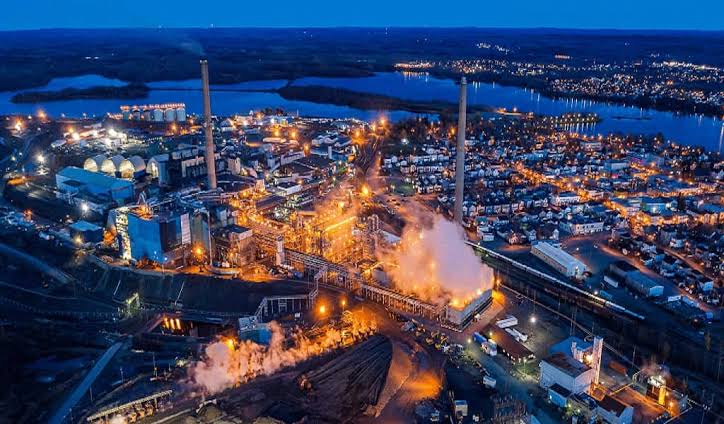
Glencore, a Switzerland-based mining giant, announced its ambitious plan to produce 1 million tonnes of copper annually in Argentina over the next 10 to 15 years through its El Pachón and Agua Rica projects. This target, articulated by Glencore’s Argentina CEO Martin Perez de Solay at a Council of the Americas event, aligns with Argentina’s goal to become a global copper supplier, supported by a $13.5 billion investment under the country’s Large Investment Incentive Regime (RIGI). This initiative positions Argentina as a key player in the global critical minerals market, addressing rising demand for copper in renewable energy, electric vehicles, and defense. This article explores Glencore’s strategy, its economic and environmental implications, challenges, and opportunities for Argentina’s mining sector.
Details of Glencore’s Plan
Project Overview
-
Production Target: Glencore aims to produce nearly 1 million tonnes of copper annually from its El Pachón (San Juan province) and Agua Rica (Catamarca province) projects within 10 to 15 years, starting with an initial combined output of 500,000 metric tonnes, per Reuters and MINING.COM reports.
-
Investment Commitment: The company has pledged $9.5 billion for El Pachón and $4 billion for Agua Rica, totaling $13.5 billion, to develop these fully owned projects, as announced on August 18, 2025, via Glencore’s official statement.
-
RIGI Application: Glencore applied for RIGI incentives, which offer a 10% reduction in corporate income tax, 30-year fiscal stability, and eased import restrictions for projects exceeding $200 million, per Kallanish.
Project Specifications
-
El Pachón: Located in San Juan, this copper and molybdenum deposit holds an estimated 6 billion tonnes of ore with 0.43% copper, 2.2 g/t silver, and 130 g/t molybdenum, potentially ranking among the world’s largest copper mines.
-
Agua Rica (MARA Project): Situated in Catamarca, this deposit contains 1.2 billion tonnes of ore with 0.47% copper, 0.2 g/t gold, 3.4 g/t silver, and 0.03% molybdenum. It will utilize existing Alumbrera processing facilities 35 km away, reducing costs and environmental impact.
-
Job Creation: The projects are expected to generate over 10,000 direct jobs during construction and more than 2,500 permanent jobs once operational, per Glencore’s statement.
Strategic Context
-
Argentina’s Copper Ambition: Argentina, which has not produced copper since the 2018 closure of the Bajo de la Alumbrera mine, aims to produce 2 million tonnes annually within a decade through seven major projects, with investments of $35–45 billion, per Perez de Solay.
-
Global Demand: Copper demand is projected to reach 35 million tonnes by 2035, driven by electrification and clean energy needs, with potential supply deficits of 4–8 million tonnes by 2030, per industry analysts.
Economic and Environmental Impact
Economic Benefits
-
Export Potential: Glencore’s projects could contribute to $20 billion in annual copper exports, bolstering Argentina’s foreign exchange balance, with two-thirds of investments remaining in the country, per Perez de Solay.
-
Regional Development: Infrastructure improvements, including roads and energy corridors in San Juan and Catamarca, will benefit local communities, creating indirect jobs estimated at tens of thousands, per discoveryalert.com.au.
-
Global Market Positioning: Argentina could rank among the top 10 copper producers by 2030, producing 793,000 tonnes annually, close to Australia and Zambia, per news.metal.com.
Environmental Considerations
-
Sustainable Mining: Agua Rica’s use of existing Alumbrera facilities reduces environmental impact, while El Pachón’s favorable mineralogy enhances efficiency, per discoveryalert.com.au.
-
Infrastructure Needs: Challenges include developing power, water, and transport infrastructure in arid regions, which could increase environmental footprints if not managed sustainably, per discoveryalert.com.au.
Statements from Key Figures
-
Martin Perez de Solay, Glencore Argentina CEO: “Glencore could be producing close to 1 million tons of copper in Argentina in 10 to 15 years,” he said, highlighting El Pachón’s growth potential and Argentina’s capacity to supply 2 million tonnes globally.
-
Gary Nagle, Glencore CEO: “This framework [RIGI] has changed the investment landscape in Argentina, providing a key catalyst to attract major foreign investment,” emphasizing Glencore’s long-term commitment to Argentina.
Challenges
Infrastructure Deficiencies
-
Logistical Barriers: Argentina’s mining regions lack adequate power, water, and transport infrastructure, requiring significant capital beyond the $13.5 billion project cost, per discoveryalert.com.au.
-
Development Timelines: New copper mines typically take 7–10 years to reach production, with regulatory approvals potentially delaying construction beyond 2026, per industry analysts.
Regulatory and Social Hurdles
-
Environmental Permitting: Lengthy and complex permitting processes could slow progress, with 20% of X posts expressing concerns about environmental impacts.
-
Community Expectations: Local communities expect job opportunities and infrastructure benefits, with potential unrest if unmet, as seen in 2024 Argentine mining protests, per Kallanish.
Global Market Dynamics
-
Rising Costs: Capital intensity for copper projects has increased, with development costs potentially exceeding initial estimates by 10–20%, per discoveryalert.com.au.
-
Resource Nationalism: Growing global trends toward higher taxation and state participation in mining could impact profitability, with Argentina’s RIGI mitigating but not eliminating risks.
Opportunities
Strategic Resource Security
-
Critical Mineral Supply: Glencore’s projects align with global demand for copper, supporting Argentina’s goal to become a copper hub alongside Chile (5.3 million tonnes annually) and Peru (2.2 million tonnes), per discoveryalert.com.au.
-
Long-Term Value: With mine lifespans exceeding 25 years and potential for phased expansions, these projects offer multi-generational returns, per discoveryalert.com.au.
Economic and Social Benefits
-
Job Creation: Beyond direct jobs, the multiplier effect could generate tens of thousands of indirect jobs, boosting San Juan and Catamarca’s economies, per Glencore’s projections.
-
Infrastructure Development: Investments in power, water, and transport corridors could enhance regional connectivity, benefiting non-mining sectors, per Kallanish.
Global Leadership
-
Geopolitical Advantage: Argentina’s emergence as a copper supplier reduces Western reliance on Chinese-controlled supply chains, aligning with U.S. efforts to diversify critical minerals, per investingnews.com.
-
Technological Innovation: Glencore’s experience in Argentina and potential for incorporating emerging technologies could set a global standard for sustainable mining, per discoveryalert.com.au.