
Global Rare Earth Suppliers Step In as India Eyes Self-Reliance Amid China Curbs

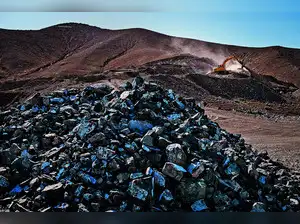
India is making decisive strides toward establishing a resilient and diversified rare-earth supply chain, as global suppliers from regions including South America, Africa, Australia, and the UK step up to support the country’s quest for self-reliance. These developments come at a crucial time when India is preparing to roll out major incentives for its permanent magnet manufacturing sector, a core area dependent on rare-earth materials.
Strategic Context: China’s Dominance and India’s Urgency
China currently dominates the global rare-earth ecosystem, controlling around 90% of the world’s magnet manufacturing and exports. Its recent export restrictions on rare-earth metals and processing equipment have triggered supply concerns globally. For India, which imports most of its magnet and rare-earth needs, the curbs have accelerated a search for alternate partners and pushed self-reliance to the forefront.
India’s magnet industry is estimated to require about 2,000 tonnes of neodymium-rich rare-earth oxides annually, while the country’s current processing capacity through Indian Rare Earths Limited (IREL) stands at only around 400-500 tonnes per year. Bridging this gap has become a strategic priority.
International Support and India’s Incentive Blueprint
In response to India’s outreach, several global suppliers have expressed willingness to export rare-earth oxides, paving the way for a more diversified supply chain. Concurrently, the Indian government is gearing up to launch an incentive scheme of nearly ₹7,300 crore to encourage domestic production of permanent magnets.
The scheme will provide:
-
Production-linked incentives for setting up local magnet plants
-
Support for import of key manufacturing equipment
-
A cap on annual allocations to ensure scale — for instance, 1,200 tonnes of oxides per company
This initiative aims to quickly enhance India’s capacity and reduce dependency on Chinese supplies.
Roadblocks and Opportunities
Key challenges persist in India’s path to rare-earth self-sufficiency:
-
Technology gap: India lacks advanced capabilities in midstream and downstream processes like alloying and sintering — critical steps in magnet manufacturing.
-
Supply chain buildout: Securing affordable and steady access to raw oxides from overseas will require careful planning and long-term contracts.
-
Environmental and regulatory hurdles: Rare earth mining and processing are resource-intensive and face environmental scrutiny.
-
Geopolitical sensitivity: With China using rare earths as a leverage tool, global dynamics will continue to play a role in the industry’s stability.
Strategic Impact on Core Sectors
A successful domestic rare-earth strategy could revolutionize several key industries in India:
-
Electric Vehicles (EVs): Permanent magnets are essential for EV motors. Localized manufacturing will reduce costs and reliance on imports.
-
Renewable Energy: Wind turbines require strong magnets with high-performance properties — boosting local production aligns with India’s green energy targets.
-
Defense & Aerospace: Sensors, missile systems, and advanced electronics depend on rare-earth materials — making domestic availability crucial for national security.
-
Electronics Manufacturing: Strengthening supply chains empowers India’s bid to become a global electronics hub.
The Road Ahead
Opportunities for collaboration are opening up as world suppliers explore partnerships with India. If the incentive schemes are implemented effectively and strategic deals are secured, India could emerge not only as a self-reliant player but also as a competitive global producer in the magnet and rare-earth value chain.
Transforming from a rare-earth importer to an industrial producer would be a landmark achievement — supporting everything from electric mobility to national security, and positioning India at the forefront of critical future technologies.