
Gold Overtakes Coal as Australia’s Third-Largest Resource Export: A Shift in the Commodity Landscape

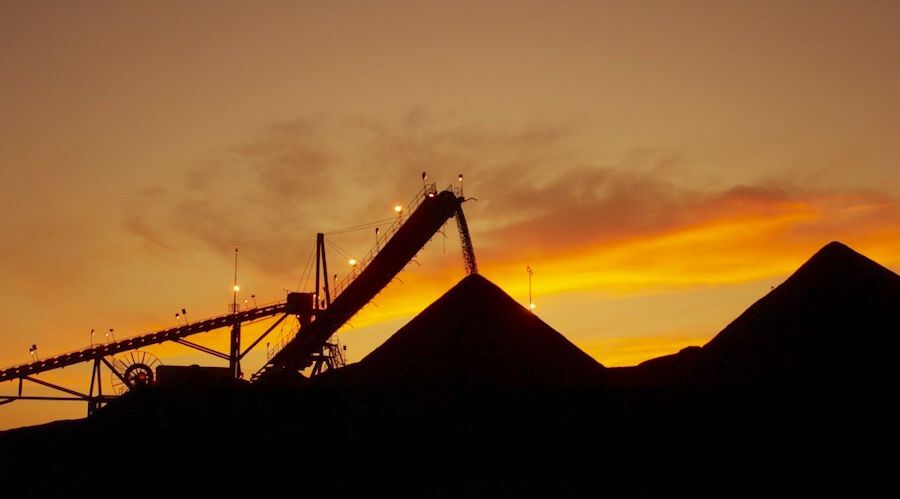
Australia’s commodity export landscape has witnessed a historic shift. Gold exports have surged to A$46 billion in the 2024-25 fiscal year (FY25), surpassing metallurgical coal’s A$40 billion for the first time. This milestone elevates gold to the country’s third-largest resource export, trailing only iron ore and liquefied natural gas (LNG). This article explores the drivers behind this transition, the weakening position of coal, and the broader economic signals embedded in these market movements.
The Rise of Gold
The ascent of gold as a dominant export reflects a combination of soaring prices and increasing volumes. Gold prices have climbed past US$3,400 per ounce, a record high fueled by heightened global uncertainty. Investors, seeking safe-haven assets, have turned to gold amid trade risks and concerns over US fiscal policy, including rising debt levels and potential inflationary pressures. This demand surge has bolstered Australia’s export earnings, with gold volumes expected to rise from 250 metric tons in FY25 to 313 metric tons by FY27. Consequently, export earnings are projected to reach A$56 billion in FY26, underscoring gold’s growing economic significance.
Australia’s position as the world’s largest net exporter of gold, despite being the third-largest producer globally, amplifies this trend. The nation’s ability to export a high proportion of its production—driven by new projects and optimized operations—has capitalized on the favorable price environment. This shift marks a departure from decades when coal reigned supreme, highlighting a reorientation toward assets perceived as stable in turbulent times.
The Decline of Coal
In contrast, metallurgical coal is facing a downturn. Export earnings of A$40 billion in FY25 are forecast to dip to A$39 billion in FY26 before a modest recovery to A$41 billion by FY27. This decline is influenced by softening demand, particularly from China, where a sluggish property sector has reduced steel production—the primary consumer of metallurgical coal. India, another key market, is experiencing a monsoon lull, further dampening demand. These factors, coupled with a global push toward cleaner energy, have pressured coal prices, with metallurgical coal averaging near four-year lows despite slight government-projected increases to US$201 per ton by FY27.
The broader coal market, including thermal coal, is also under strain as major importers like Japan and South Korea pivot toward LNG and renewables. This structural shift, combined with supply stabilization post-disruptions, suggests coal’s dominance as an export earner is waning, potentially allowing gold to overtake its combined value by FY27.
Economic and Market Implications
This pivot from coal to gold is more than a statistical shift—it reflects deeper market sentiment. Gold’s strength signals shaky confidence in traditional growth commodities, with investors prioritizing stability over industrial demand. Trade risks, exacerbated by geopolitical tensions and shifting global supply chains, alongside US fiscal concerns—such as debates over debt ceilings and monetary policy—have reinforced gold’s appeal. The contrast with coal underscores a market recalibration, where safe-haven assets gain traction amid uncertainty, while fossil fuel reliance faces scrutiny.
Australia’s export portfolio remains robust, with iron ore and LNG leading at higher values, but the gold-coal dynamic highlights a diversification trend. Gold’s projected earnings of A$56 billion in FY26, against coal’s combined forecast of A$67 billion in FY25-26, suggest a narrowing gap that could close by FY27 if current trends persist. This shift could reshape investment priorities, with gold mining projects gaining attention over coal expansions.
Challenges and Opportunities
Gold’s rise is not without challenges. Production costs, ranging from A$1,500-1,900 per ounce, leave margins vulnerable to price corrections if global stability returns. Carbon pricing and energy intensity also pose risks, potentially adding A$40-80 per ounce to costs under future policies. However, the sector’s 32,000 direct jobs and 68,000 indirect roles, alongside A$4.5 billion in annual taxes and royalties, bolster its economic case.
For coal, the outlook is clouded by declining demand and environmental pressures. While new mines may extend production, the global energy transition—evidenced by China and India boosting domestic output—limits long-term growth. Opportunities lie in adapting to cleaner technologies or diversifying into other minerals, though these require significant investment.
The Bigger Picture
This moment signals a transformative phase for Australia’s resource economy. Gold’s ascent reflects not just price dynamics but a broader demand shift toward stability in an uncertain world. As coal faces structural decline, the market is voting with its dollars, favoring assets that weather economic storms. By FY27, with gold volumes at 313 metric tons and earnings potentially exceeding A$56 billion, Australia could cement this trend, positioning itself as a leader in precious metals amid a changing global landscape.
The question remains: will this shift accelerate as geopolitical and fiscal uncertainties deepen, or will coal stage a comeback if demand stabilizes? For now, gold’s triumph marks a pivotal chapter in Australia’s commodity story, one where resilience trumps tradition.