
Gold, Silver Prices See Massive Fall After Touching Record High — Experts Decode the Decline

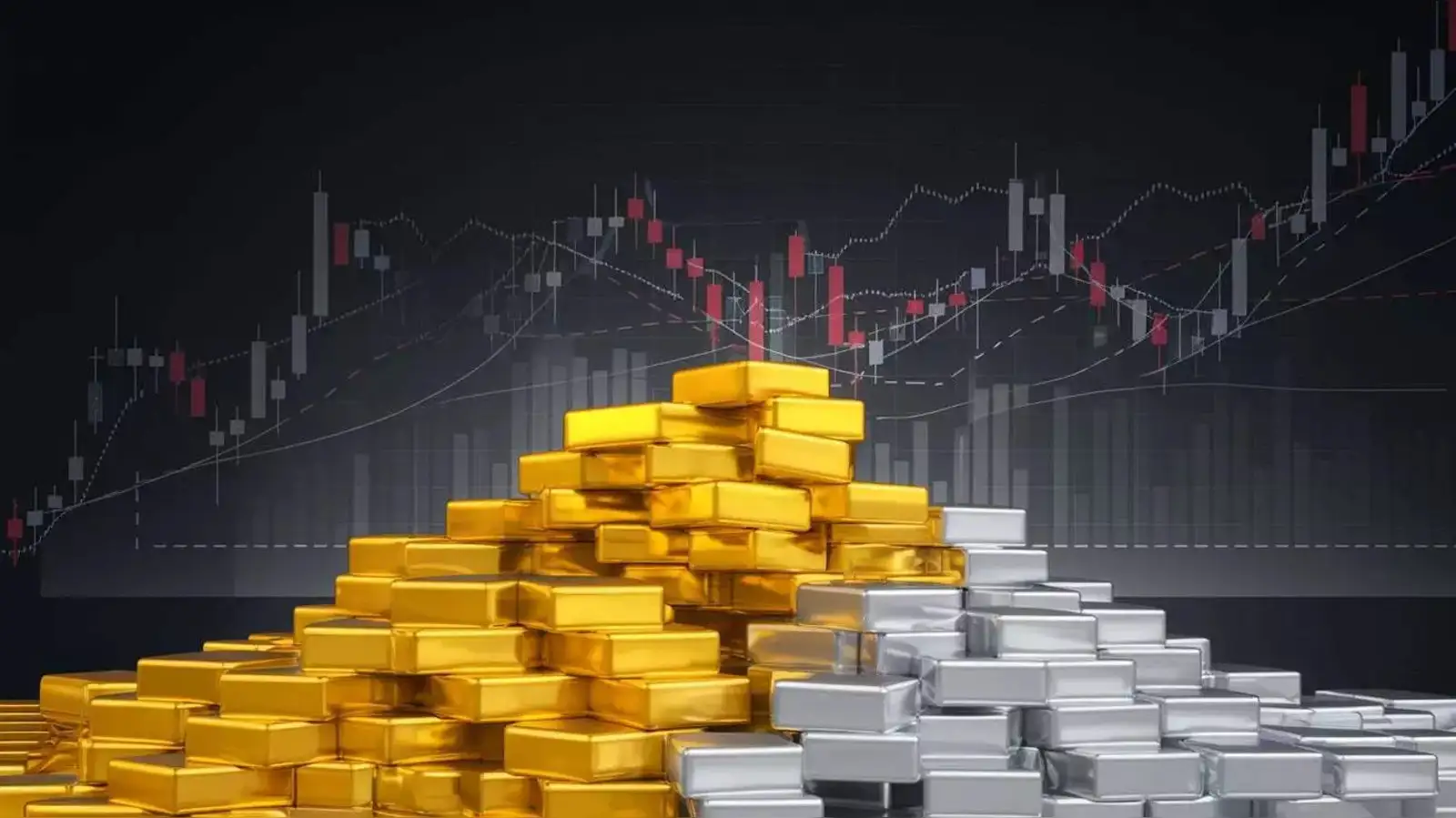
Gold and silver prices, which recently reached unprecedented highs, have experienced a sharp decline, prompting questions among investors and market watchers. After months of bullish trends driven by global economic uncertainties, inflation concerns, and geopolitical tensions, precious metals have suddenly corrected, highlighting the volatile nature of these markets.
The Recent Surge and Record Highs
Earlier this year, gold and silver prices climbed to record levels, fueled by multiple factors. Rising inflation in major economies, coupled with fears of a global recession, led investors to flock to safe-haven assets. Additionally, currency fluctuations, particularly a weakening of the US dollar, made gold and silver more attractive for international buyers, further driving up prices.
Reasons Behind the Sharp Decline
Experts point to several reasons for the sudden fall in precious metals prices:
-
Strengthening of the US Dollar: A stronger dollar makes gold and silver more expensive for foreign buyers, reducing demand and causing prices to drop. Recent signals from the US Federal Reserve about potential interest rate hikes have bolstered the dollar, negatively impacting metal prices.
-
Profit Booking: After hitting record highs, many investors opted to cash in on their gains. This wave of profit booking led to a temporary oversupply in the market, which put downward pressure on prices.
-
Global Economic Data: Improved economic indicators from major economies have reduced the fear of recession. As confidence in economic recovery grows, the demand for safe-haven assets like gold and silver tends to decline.
-
Policy and Market Sentiment: Central banks and institutional investors play a crucial role in shaping market trends. Recent moves to stabilize markets, coupled with easing fears around geopolitical conflicts, have contributed to a softer demand outlook for precious metals.
Expert Insights
Market analysts suggest that such corrections are typical in commodity markets. “Gold and silver have seen extraordinary gains in recent months, so a pullback was inevitable,” says Rajesh Mehta, a senior commodities analyst. He adds that investors should view the decline as a natural market adjustment rather than a long-term trend reversal.
Similarly, financial strategist Ananya Singh notes, “While short-term volatility is common, the underlying demand for precious metals remains robust, especially in countries with high inflation and geopolitical uncertainties.”
What This Means for Investors
For those invested in gold and silver, experts advise a cautious approach. The current dip could offer a buying opportunity for long-term investors, but short-term traders should be prepared for continued volatility. Diversification remains key, with a balanced portfolio helping mitigate risks associated with sudden price swings.
Conclusion
The recent fall in gold and silver prices underscores the complex interplay of global economic factors, investor behavior, and market sentiment. While the record highs may have captured headlines, the current correction is a reminder of the inherent volatility in precious metals markets. For investors, staying informed and maintaining a long-term perspective is crucial to navigating these fluctuations effectively.