
Hindustan Copper, Tata Steel, Other Metal Stocks Plunge up to 6%: Here Are Four Key Reasons

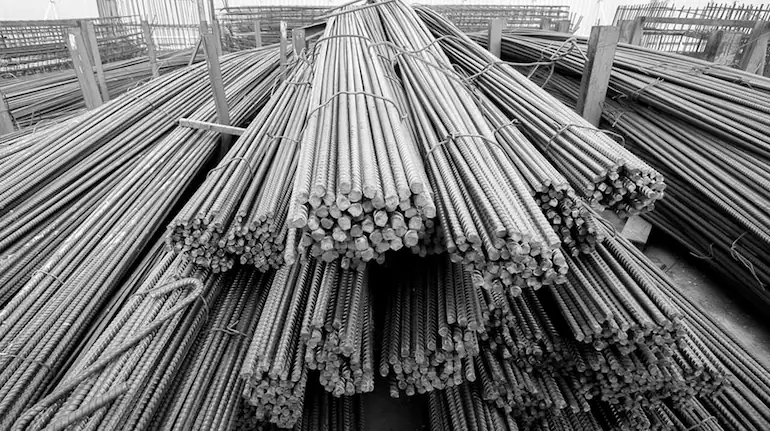
Metal stocks witnessed a sharp decline on Thursday, with Hindustan Copper, Tata Steel, and several other sector peers tumbling as much as 6% on the exchanges. The sell-off wiped out substantial investor wealth and raised concerns about the near-term outlook for the metals and mining sector. Analysts point to a mix of global and domestic factors weighing heavily on the industry. Here are four key reasons behind the sudden slide.
1. Weak Global Commodity Prices and Demand Concerns
One of the biggest triggers for the fall has been the softening of global metal prices. Copper, aluminum, and steel futures have all declined in recent sessions amid concerns about slowing demand from major consuming economies, particularly China and Europe. With China’s real estate and manufacturing sectors showing persistent weakness, the appetite for base metals has fallen. This decline in international benchmark prices has directly affected the earnings outlook of Indian metal producers, who rely heavily on exports and global price parity.
2. Rising Input Costs and Margin Pressure
While metal prices have cooled, input costs such as coking coal, power, and transportation remain elevated. This has led to a squeeze in operating margins for companies like Tata Steel and Hindustan Copper. The combination of falling selling prices and sticky input costs has sparked fears of weaker quarterly performance. Investors anticipate that profit margins in the upcoming earnings season may disappoint, prompting early selling across the sector.
3. Regulatory and Policy Overhangs
The recent tightening of environmental regulations and new mining guidelines have also contributed to the negative sentiment. Reports of stricter government monitoring on mineral extraction and export approvals have raised concerns about supply disruptions and higher compliance costs. In addition, speculation about potential export curbs to stabilize domestic prices has further dampened market enthusiasm. Investors often react sharply to any policy uncertainty in the commodity sector, given its cyclical nature.
4. Global Market Sell-Off and Profit Booking
A broader risk-off sentiment in global markets has added fuel to the fire. With US Treasury yields climbing and fears of prolonged high interest rates resurfacing, investors have been shifting away from cyclical and commodity-linked stocks into defensives. Metal stocks, which had rallied strongly earlier in the year on hopes of infrastructure-led demand recovery, are now facing profit-booking as traders lock in gains. The sharp volatility in global indices has only amplified this move.
Outlook: Short-Term Volatility, Long-Term Opportunity
Despite the near-term turbulence, analysts believe that the correction could open buying opportunities for long-term investors. India’s infrastructure pipeline, housing revival, and manufacturing push under the “Make in India” initiative are expected to support domestic demand for metals. However, the sector may remain volatile in the coming weeks until global demand stabilizes and input cost pressures ease.
In the meantime, market participants will be closely watching quarterly earnings and guidance from major players like Tata Steel, Hindustan Copper, and JSW Steel to gauge how they are managing the evolving challenges.
In summary, the decline in metal stocks reflects a convergence of global demand weakness, cost pressures, regulatory overhangs, and investor caution. While the sell-off underscores short-term uncertainty, the structural story for Indian metals remains intact — provided companies can weather the global storm and adapt to shifting market dynamics.