
India Achieving Unprecedented Growth in Infrastructure Development: Nitin Gadkari

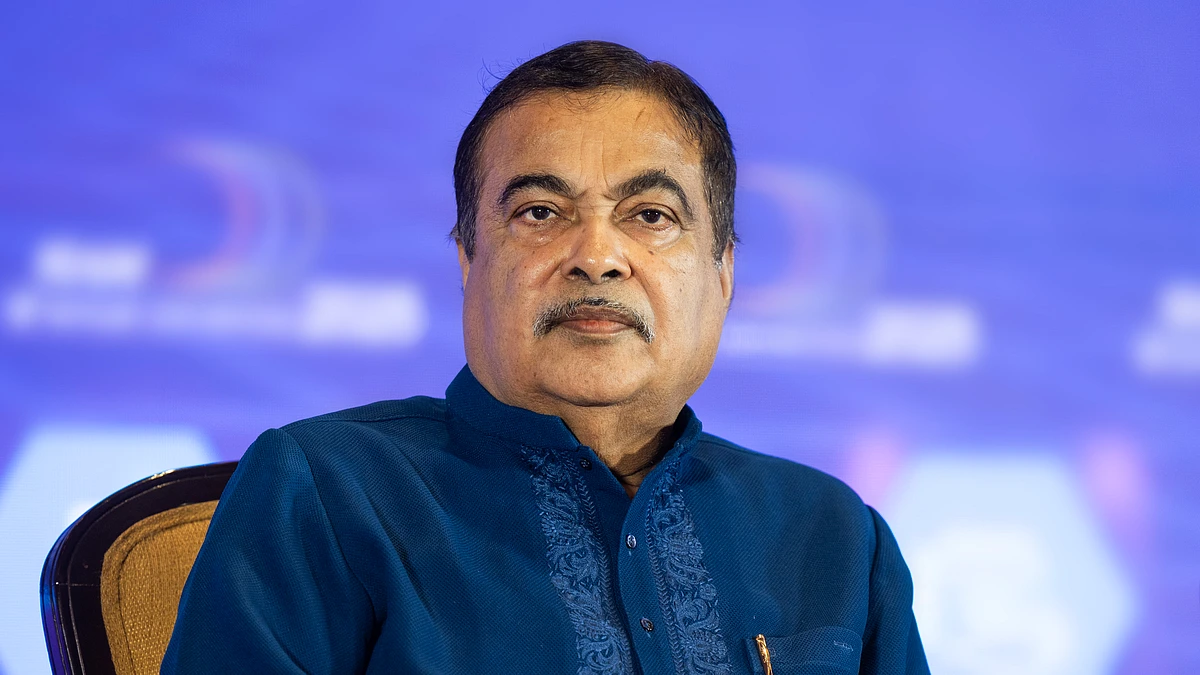
Union Minister for Road Transport and Highways, Nitin Gadkari, has lauded India’s remarkable strides in infrastructure development, emphasizing that the nation is undergoing a historic transformation in connectivity, logistics, and sustainable mobility.
Speaking at a recent event, Gadkari highlighted that India’s infrastructure growth is central to Prime Minister Narendra Modi’s vision of making India a $5 trillion economy, with roads, highways, and transport networks serving as the foundation for economic expansion and job creation.
“India has made tremendous progress in infrastructure development over the last decade. Our goal is to create world-class infrastructure that drives economic growth, reduces logistics costs, and improves quality of life,” Gadkari stated.
Record-Breaking Achievements
Under the Modi government, India has witnessed record highway construction, the development of expressways, and the modernization of logistics parks and corridors. Key milestones include:
-
Construction of over 12,000 km of national highways annually, a record pace globally.
-
Launch of Bharatmala Pariyojana and Sagarmala projects to strengthen road and port connectivity.
-
Focus on green highways and electric mobility infrastructure to align with India’s net-zero carbon goals.
Gadkari noted that innovative models such as Hybrid Annuity Model (HAM) and Build-Operate-Transfer (BOT) have accelerated project execution and attracted private sector investment.
Sustainability and Innovation at the Core
The minister emphasized the adoption of eco-friendly construction materials, waste recycling, and use of advanced technologies like drones and digital project monitoring.
India is also prioritizing electric highways and alternative fuels, such as ethanol, green hydrogen, and bio-CNG, to reduce dependence on fossil fuels and cut emissions.
“Our mission is not just to build roads, but to build a green, safe, and efficient mobility ecosystem,” Gadkari added.
Boost to Regional Connectivity and Economy
Improved infrastructure has significantly enhanced connectivity in rural and border regions, stimulating economic activities, tourism, and logistics efficiency. Projects such as the Delhi-Mumbai Expressway, Ganga Expressway, and Char Dham Project are transforming regional economies and improving accessibility.
Gadkari reiterated the government’s commitment to completing ongoing mega projects on time, ensuring quality, and promoting Make in India in infrastructure materials and machinery.
A Vision for the Future
The government’s forward-looking approach aims to reduce logistics costs from 14% to 8% of GDP, placing India among the world’s most competitive economies. The focus remains on integration of road, rail, air, and waterways for seamless transport.
With continuous innovation, strong policy support, and robust investment, India is well on its way to becoming a global infrastructure powerhouse.