
India Charts Clean Freight Future: Principal Scientific Adviser Releases Landmark Report on Zero-Emission Trucking (ZET)

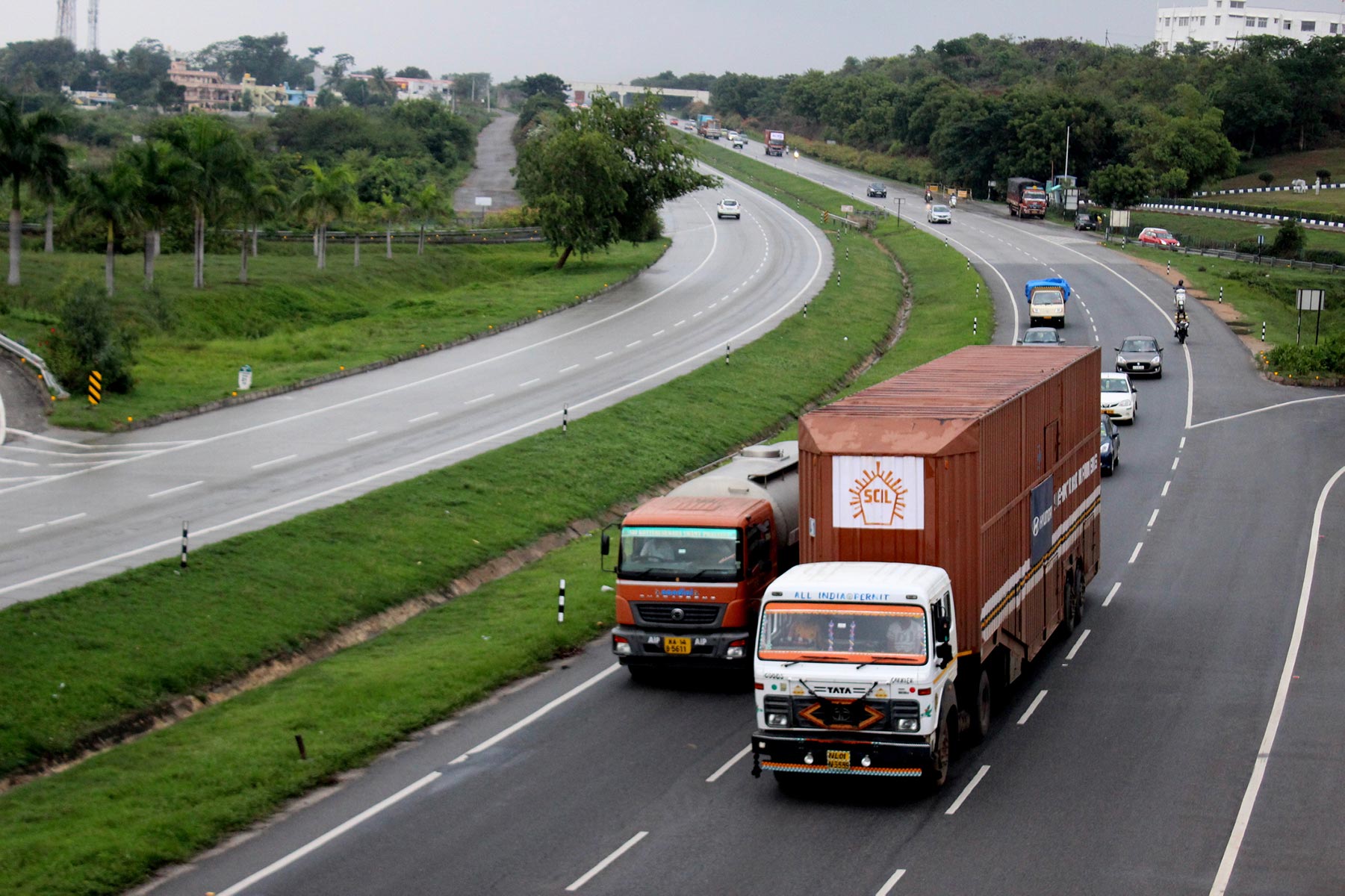
In a pivotal step toward decarbonizing India’s freight transport sector, the Office of the Principal Scientific Adviser (PSA) to the Government of India released a comprehensive report titled “ZET Adoption in India and Its Impact on Emission and Energy” on 1st July 2025. The study outlines a strategic vision for accelerating the adoption of Battery Electric Trucks (BETs) and achieving a zero-emission trucking (ZET) transition in India’s Medium and Heavy-Duty Truck (M&HDT) segment.
The release underscores India’s deepening commitment to achieving its Net Zero by 2070 target, as the freight sector—currently one of the most emission-intensive areas—undergoes a transformation through clean technologies and policy-driven change.
Why It Matters: India’s Freight and Emissions Challenge
India’s freight movement, largely powered by Medium and Heavy-Duty Trucks, is the backbone of its logistics sector, accounting for nearly 70% of freight transport. However, this segment alone consumes approximately 40% of transport fuel and contributes significantly to national emissions. As economic activity and freight demand grow, so too does the urgency to curb emissions and fuel dependency.
BETs Seen as Primary ZET Pathway
With limited infrastructure for green hydrogen (H₂) and cost barriers to alternate zero-emission technologies, the report projects Battery Electric Trucks (BETs) as the dominant ZET pathway in the near to medium term. It evaluates scenarios where BETs significantly reduce both fuel consumption and greenhouse gas emissions, reshaping the environmental footprint of India’s logistics economy.
The report is built upon historical data and policy frameworks from key national bodies such as:
-
Society of Indian Automobile Manufacturers (SIAM)
-
Vahan Portal
-
Ministry of Road Transport and Highways (MoRTH)
-
Ministry of Petroleum & Natural Gas (MoPNG)
-
Ministry of Power (MoP)
These were further enriched with interviews and insights from OEMs, freight operators, industry users, and value chain stakeholders.
Key Recommendations and Strategic Insights
The study makes a strong case for early-stage interventions to spur the electric trucking market. These include:
-
Enhanced fiscal incentives for fleet buyers and manufacturers
-
Tailored product offerings based on use-case-specific demand
-
Robust charging infrastructure that aligns with real-world logistics needs
“The adoption of ZETs is a crucial step in reducing greenhouse gas emissions, improving air quality, and enhancing energy security. As a nation committed to achieving Net Zero by 2070, the electrification of freight transport will play a transformative role in shaping a cleaner and more efficient logistics ecosystem,” said Professor Ajay Kumar Sood, Principal Scientific Adviser to the Government of India.
Envisioning the Road Ahead
The report provides forward-looking projections of BET adoption across different freight segments and geographies. It highlights that with the right policy signals, stakeholder alignment, and investment in charging solutions, India can achieve large-scale ZET adoption by mid-century.
The exercise, which spanned one year of expert consultations and scenario modeling, is aimed at enabling informed decisions among policymakers, private investors, vehicle manufacturers, and logistics companies.
The report by the Office of the Principal Scientific Adviser marks a strategic inflection point for India’s freight sector. It places electric trucks not just as a technological solution but as a nation-building tool that aligns industrial growth with climate commitments.
With emissions from freight transport set to rise if unchecked, the push for zero-emission logistics is more urgent than ever. Through the adoption of BETs and a supportive ecosystem, India is signaling its readiness to move goods cleanly, efficiently, and sustainably into the future.