
India Eases SEZ Rules to Supercharge Semiconductor & Electronics Manufacturing

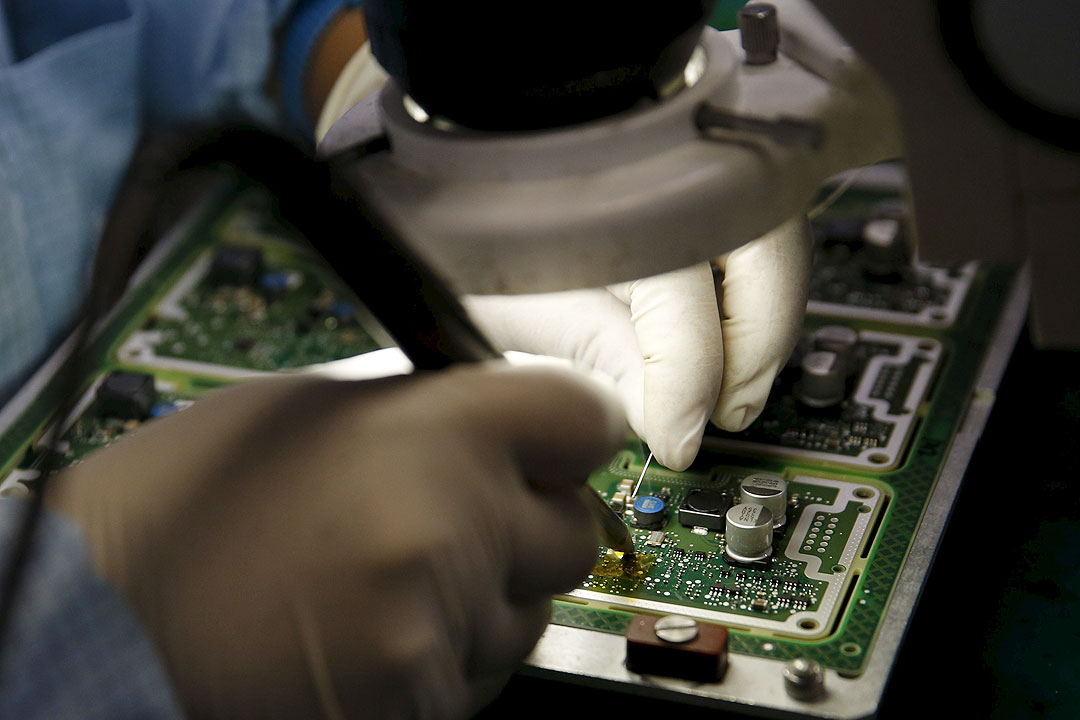
In a strategic move to catalyze India’s transformation into a global hub for high-tech manufacturing, the Indian government has amended the Special Economic Zones (SEZ) Rules, 2006, specifically targeting the semiconductor and electronics sectors. These changes, officially notified as the Special Economic Zones (Amendment) Rules, 2025, aim to ease entry barriers, attract investment, and encourage rapid infrastructure development in critical technology domains.
Key Highlights of the Amendments
1. Reduced Land Requirement
The minimum contiguous land area needed to set up an SEZ for semiconductor and electronics component manufacturing has been reduced from 50 hectares to just 10 hectares. This critical change opens the door for mid-sized companies and startups to participate in SEZ development, which was earlier dominated by large conglomerates.
2. Land Usage Flexibility
Developers are now permitted to use land that is leased or mortgaged to central or state government agencies, provided they secure approval from the SEZ Board of Approval. This change simplifies the acquisition process and enables the use of existing industrial land.
3. Inclusion of Free-of-Cost Goods in NFE Calculation
Goods received or supplied free of cost will now be counted under Net Foreign Exchange (NFE) obligations, based on customs valuation. This provides clarity and supports accurate performance assessments of SEZ units.
4. Permission for Domestic Sales
SEZ units in semiconductor and electronics manufacturing can now sell products in the Domestic Tariff Area (DTA) upon payment of applicable customs duties. This marks a shift from the earlier rigid export-only model and provides operational flexibility for manufacturers.
Strategic Impact
1. Boost to Electronics and Chip Ecosystem
The reforms come at a crucial time when India is aggressively pursuing self-reliance in semiconductors and advanced electronics. The relaxed norms are expected to accelerate the creation of a robust electronics manufacturing ecosystem, including fabrication units, component makers, and design firms.
2. Encouragement for MSMEs and Startups
Smaller land requirements and improved regulatory flexibility make SEZs more accessible to Micro, Small, and Medium Enterprises (MSMEs) and emerging tech startups. This aligns with India’s goal of democratizing industrial growth across regions.
3. Support for Long Gestation Sectors
Semiconductor and high-tech electronics are capital- and technology-intensive sectors that involve long gestation periods. These reforms reflect the government’s recognition of these challenges and aim to create a policy environment conducive to sustained growth.
Immediate Outcomes: New SEZ Approvals
The new rules have already led to major project approvals:
-
Micron Semiconductor Technology India Pvt. Ltd. has been granted approval to set up a 37.64-hectare SEZ in Sanand, Gujarat. The company plans to invest ₹13,000 crore to develop this facility, which will focus on chip packaging and testing.
-
Hubballi Durable Goods Cluster Pvt. Ltd. (a part of the Aequs Group) received approval to establish an 11.55-hectare SEZ in Dharwad, Karnataka with an investment of ₹100 crore. This unit will focus on electronics component manufacturing and is expected to generate significant local employment.
Alignment with National Vision
These reforms are part of India’s broader push for “Make in India” and Atmanirbhar Bharat (Self-Reliant India), aiming to reduce dependency on imports and emerge as a manufacturing powerhouse. The changes are also in synergy with other government schemes such as the Production Linked Incentive (PLI) program and the Design Linked Incentive (DLI) scheme for semiconductors.