

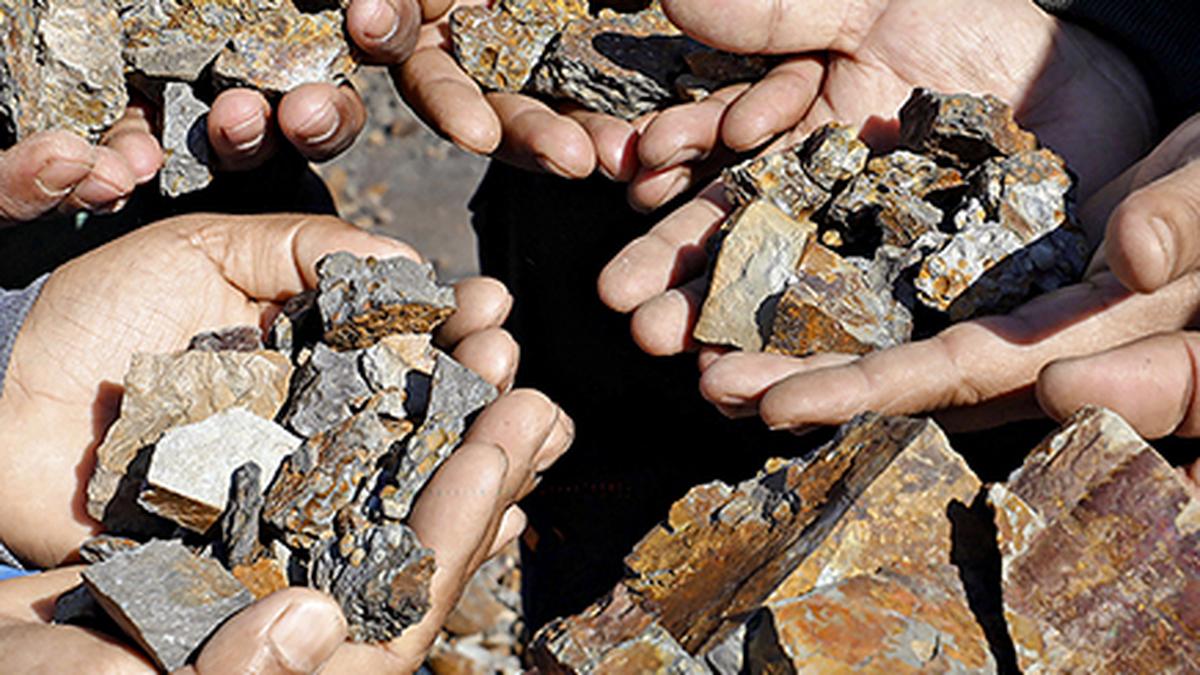
India, a country rich in mineral resources, is home to an impressive variety of 95 minerals, ranging from common industrial minerals to rare and strategic metals. Despite this natural wealth, the nation has yet to make significant inroads into the production and global supply of critical minerals, which are increasingly central to the modern economy, technological innovation, and national security.
The Strategic Importance of Critical Minerals
Critical minerals, including rare earth elements, lithium, cobalt, and graphite, are essential for advanced technologies such as electric vehicles, renewable energy systems, aerospace, and defense applications. Globally, these minerals have emerged as strategic assets, shaping trade, geopolitical alliances, and the competitiveness of nations in the technology-driven era.
While India possesses certain critical mineral reserves — including lithium in Karnataka and rare earth elements in Odisha and Andhra Pradesh — its extraction, processing, and value-addition capabilities remain limited. This has led to heavy reliance on imports for key high-tech and green-energy applications, creating vulnerabilities in strategic sectors.
Challenges Hindering India’s Critical Mineral Footprint
Several factors contribute to India’s lag in establishing a robust presence in the critical minerals sector:
-
Technological Gaps: Advanced extraction and processing of critical minerals require sophisticated technologies, which are still developing in India. Without domestic capabilities, India often depends on foreign expertise and supply chains.
-
Infrastructure and Investment Needs: Mining and refining critical minerals demand high-capital investments, specialized infrastructure, and robust regulatory frameworks, which are still evolving in India.
-
Environmental and Social Considerations: Mining critical minerals is resource-intensive and environmentally sensitive. Ensuring sustainable practices while balancing community concerns poses significant challenges.
-
Global Competition: Countries like China, Australia, and the United States have already secured a dominant position in critical minerals, benefiting from mature ecosystems, investment, and international collaborations.
Opportunities for India
Despite these challenges, India has substantial opportunities to emerge as a significant player in the critical minerals sector:
-
Policy Support: Initiatives under Atmanirbhar Bharat and the National Critical Minerals Policy aim to incentivize domestic exploration, processing, and private investment.
-
Green Energy Transition: The rising demand for electric vehicles, solar panels, wind turbines, and energy storage systems creates a strong domestic market for critical minerals.
-
Strategic Collaborations: Partnering with global leaders in mining, refining, and technology can accelerate India’s capabilities and reduce dependence on imports.
-
R&D and Innovation: Investing in research and development can enable the efficient extraction, processing, and recycling of critical minerals, making India a hub for sustainable innovation.
Conclusion
India’s endowment of 95 minerals positions it uniquely to become a major player in the global critical minerals landscape. However, transforming this potential into tangible industrial and strategic gains requires focused investment, technological advancement, and policy-driven initiatives.
The coming decade could witness India leveraging its mineral wealth to not only secure strategic autonomy in critical sectors but also drive economic growth, technological leadership, and a sustainable industrial future.
By bridging the gap between resource availability and industrial capability, India has the opportunity to establish itself as a reliable and competitive force in the global critical minerals market.