
India Extends Import Restrictions on Low-Ash Metallurgical Coke: Strategic Move to Safeguard Domestic Industry

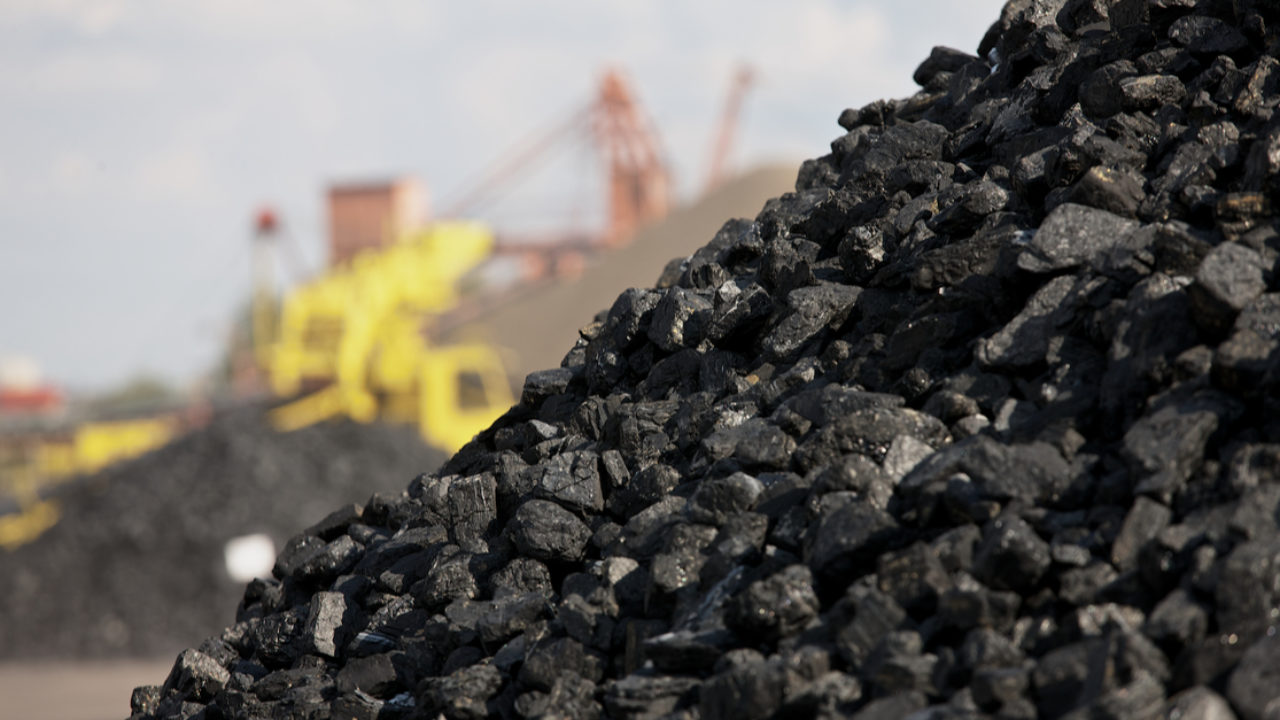
In a critical regulatory update, the Directorate General of Foreign Trade (DGFT) has extended import restrictions on Low-Ash Metallurgical (LAM) Coke, reinforcing India’s commitment to protect its domestic coke industry and ensure balanced trade practices. This move is aimed at maintaining quality control, preventing the dumping of substandard materials, and safeguarding the interests of local manufacturers.
The restriction was extended through an official notification issued on July 1, 2025, which modifies the import policy under the Indian Trade Classification (Harmonized System), 2022.
What Is Low-Ash Metallurgical Coke?
Low-Ash Metallurgical Coke is a critical raw material used primarily in:
-
Blast furnaces for iron and steel production
-
Foundries and ferroalloy industries
-
Metallurgical processes requiring high thermal and chemical stability
It is favored for its high carbon content, low sulfur and phosphorus levels, and minimal ash—ensuring superior combustion and metal output quality.
Policy Background and Changes
Previous Policy Status
-
The import of LAM coke was previously placed under the ‘restricted’ category in 2022.
-
Importers needed explicit DGFT authorization to bring in consignments.
Revised Policy (as of July 1, 2025)
-
The import restriction has been officially extended with no specific end date mentioned.
-
Imports will continue to require prior permission from the DGFT through a license mechanism.
-
This extension is applicable to LAM coke classified under ITC HS Code 27040030.
Why the Restriction Matters
1. Protection of Domestic Industry
-
Indian coke producers have faced pricing pressures due to cheaper imports from countries like China and Russia.
-
The restriction ensures fair competition and supports local capacity utilization.
2. Quality and Environmental Standards
-
Imported LAM coke often does not comply with India’s quality norms.
-
High-ash or contaminated coke can result in poor furnace performance and increased emissions.
-
By regulating imports, the government promotes the use of higher-grade, cleaner-burning coke.
3. Strategic Resource Control
-
LAM coke is critical for India’s steel-making and heavy engineering sectors.
-
Import dependence poses risks to supply chain security, especially during geopolitical disruptions.
-
The restriction supports resource planning and industrial stability.
Impacted Sectors
Industries that will be directly affected by this policy include:
-
Iron and Steel Manufacturers
-
Foundries and Forging Units
-
Ferroalloy Producers
-
Heavy Engineering and Capital Goods Sector
These sectors will now need to reassess sourcing strategies, potentially increasing reliance on domestic coke or authorized import channels.
Challenges and Industry Response
While the restriction helps curb unfair trade practices, several stakeholders have voiced concerns:
-
Higher input costs due to limited supply options
-
Delays in obtaining import licenses, affecting production timelines
-
Need for upgraded domestic coke production facilities to meet demand and quality benchmarks
Industry associations are urging the government to:
-
Improve transparency and speed in the import licensing process
-
Offer incentives for technological upgrades in Indian coke plants
-
Facilitate joint ventures for higher-grade coke production in India
The DGFT’s extension of import restrictions on Low-Ash Metallurgical Coke is a strategic move to balance trade, protect Indian industries, and ensure quality control in critical manufacturing inputs. As India pursues its ambitions in infrastructure, steel, and heavy industry under the Make in India and Atmanirbhar Bharat initiatives, securing raw material integrity becomes essential.