
India Has Weeks of Oil Supply in Reserve, Imports Continue Through Multiple Routes: Minister Hardeep Singh Puri

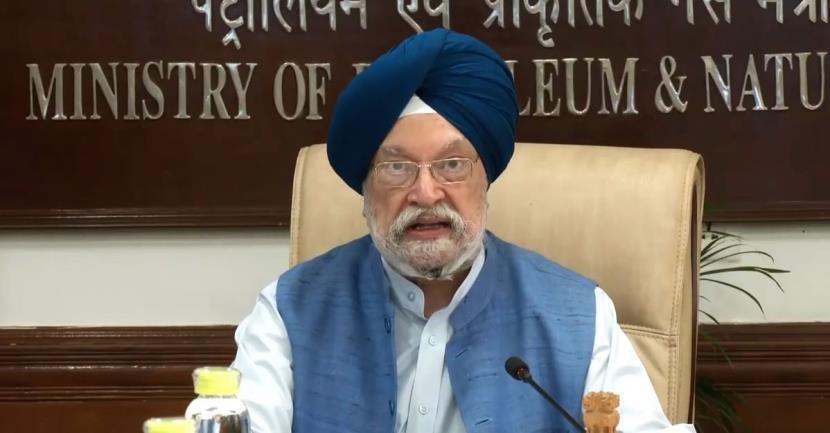
Union Petroleum and Natural Gas Minister Hardeep Singh Puri has assured that India has sufficient oil reserves to last several weeks, even in the face of global uncertainties. Speaking on the nation’s energy preparedness, the minister emphasized that oil imports are continuing smoothly through diversified and reliable routes, ensuring energy security for Asia’s third-largest economy.
The statement comes amid ongoing geopolitical tensions and market volatility that have disrupted global oil supply chains. India, which imports nearly 85% of its crude oil requirements, has been under pressure to maintain stable inflows of energy resources while insulating itself from international price shocks and supply disruptions.
“India has weeks of supply at hand. There is no cause for concern,” said Puri, adding that the government has made significant efforts to diversify import sources and strengthen strategic petroleum reserves (SPRs).
Strategic Resilience and Import Flexibility
India’s Strategic Petroleum Reserves, located at Vishakhapatnam, Mangaluru, and Padur, collectively hold around 5.33 million tonnes (approximately 39 million barrels) of crude oil. Additionally, oil marketing companies maintain commercial reserves, further extending the country’s buffer capacity.
India continues to source crude oil from a range of suppliers, including the Middle East, Russia, the United States, and African nations. The country’s refining sector is also well-equipped to handle different grades of crude, offering greater flexibility in sourcing and blending.
Puri highlighted the importance of bilateral energy ties, especially with countries like Russia, where discounted oil purchases have helped India navigate recent price surges. India’s use of multiple maritime and pipeline corridors for oil importation has also insulated it from bottlenecks or embargo-related pressures.
Energy Security in a Changing World
The minister’s statement is a reassurance to markets and consumers amid concerns that recent shipping attacks in the Red Sea and sanctions-related complexities could disrupt crude oil deliveries to South Asia.
India is also ramping up domestic exploration and renewable alternatives, aiming to reduce import dependence in the long term. However, in the current scenario, crude oil continues to be the backbone of the Indian energy ecosystem.
Outlook and Strategic Vision
With global oil prices fluctuating and demand expected to rise during the summer and festive seasons, India is focusing on building both physical reserves and strategic alliances. The government’s consistent engagement with OPEC+, G7 nations, and non-OPEC producers reflects its proactive diplomacy in securing energy deals.
The assurance from Minister Puri reinforces that India remains well-positioned to weather short-term supply shocks, thanks to its multi-route import infrastructure, diversified supplier base, and forward-looking reserve strategy.