
India Leads Global Discourse on Sustainable Mine Closure with Visionary Action and Policy Reform

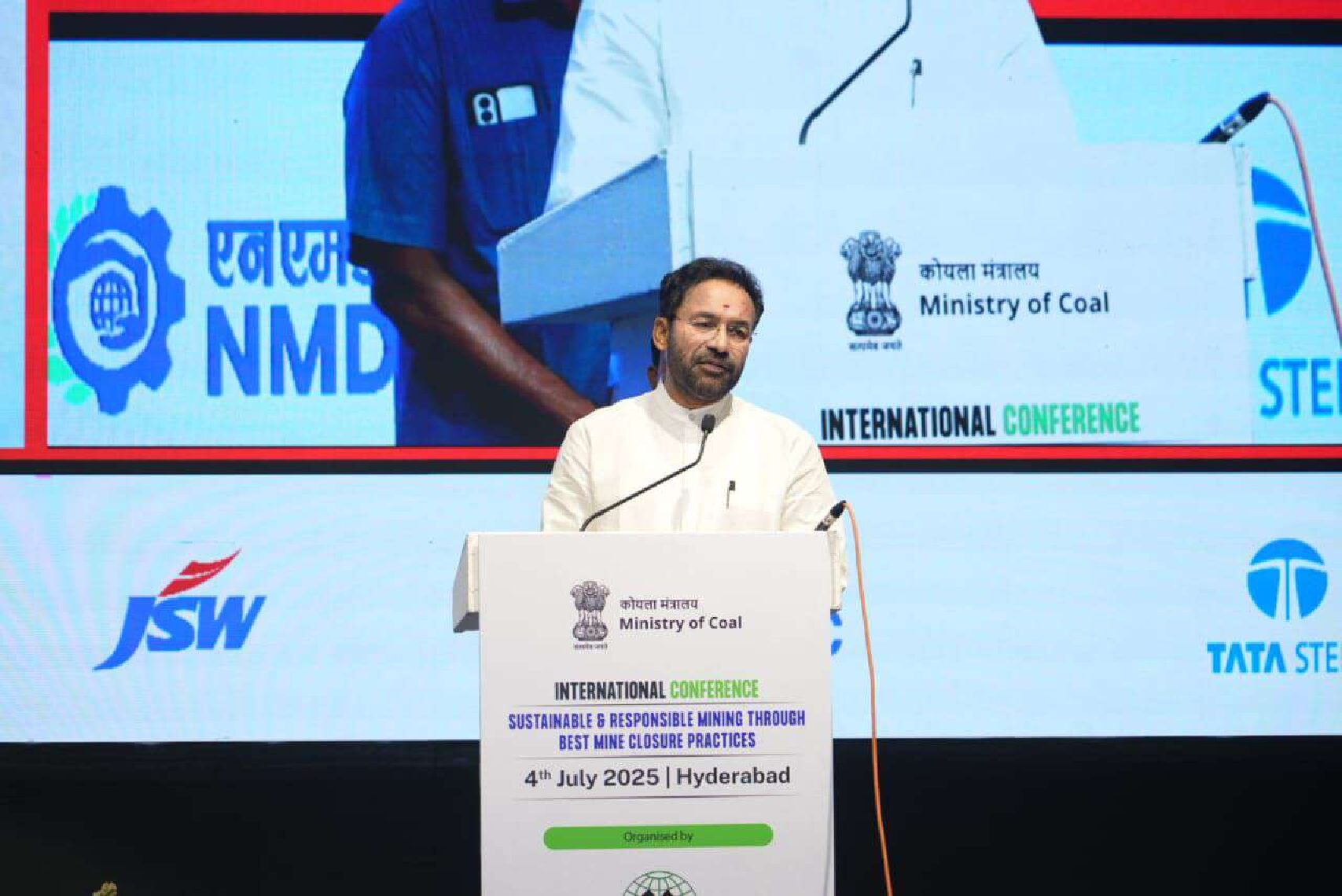
India is redefining the global mining narrative. No longer is mining merely an exercise in resource extraction; it is now a path to regeneration, sustainability, and inclusive growth. Under the leadership of Prime Minister Narendra Modi, the Indian mining sector is experiencing a paradigm shift—balancing economic development with ecological restoration and community welfare.
Over the past 11 years, significant milestones have been achieved, including the scientific closure of coal mines, institutionalisation of environmentally responsible practices, and the establishment of digital governance frameworks. India has emerged not only as a mineral-rich country but also as a global thought leader in sustainable and responsible mining.
India’s First-Ever Systematic Mine Closures
For the first time in post-independence history, India has successfully closed 10 coal mines in just the last eight months. These closures are not isolated administrative decisions but part of a well-planned national strategy to ensure environmental rehabilitation and sustainable land use post-mining.
This effort is rooted in scientific mine closure practices that prioritize:
-
Environmental restoration
-
Water conservation
-
Community rehabilitation
-
Land repurposing for local development
Vision of the 6Rs Framework
India’s mine closure model operates on the principle of the 6Rs:
-
Rehabilitation: Returning land to its natural or economically useful state
-
Reclamation: Restoring degraded ecosystems and landscapes
-
Remediation: Managing and reducing pollution from mining activities
-
Restoration: Reviving flora and fauna affected by mining
-
Repurposing: Utilizing closed mine lands for productive community use
-
Redevelopment: Transforming mine-affected regions with infrastructure and services
These principles ensure that mining does not leave behind ecological scars but instead creates opportunities for environmental renewal and socio-economic upliftment.
Time-Bound Closure of 147 Mines
Looking ahead, 147 additional mines have been earmarked for closure within the next three years. These closures are part of a strategic, time-bound plan aimed at:
-
Reviving natural ecosystems
-
Creating sustainable water bodies
-
Generating local employment
-
Improving living standards in mining-impacted communities
This transformation promises to create new models of land use where green zones, community parks, fisheries, and solar farms could replace once-extractive sites.
Launch of the RECLAIM Framework
In a landmark development, the government has introduced the RECLAIM Framework—India’s first comprehensive policy guideline for responsible mine closure. Announced at the International Conference on Sustainable and Responsible Mining held in Hyderabad, the RECLAIM Framework ensures:
-
Holistic and scientific closure of mines
-
Integration of community needs and feedback
-
Economic revitalization of mining regions post-closure
-
Continuous monitoring and accountability in restoration
RECLAIM stands for Responsible Ecological Closure, Land-use Alignment, and Inclusive Mine Reclamation, and is now being positioned as a model for global replication.
Digitising Coal Governance: Single Window Exploration Module
India has also taken a major step in digital governance by launching the Exploration Module under the Single Window Clearance System. This move aims to:
-
Fully digitize the coal exploration process
-
Accelerate approvals and reduce delays
-
Bring transparency to decision-making
-
Enable real-time tracking of environmental compliance
This platform is part of the broader effort to build a digitally empowered mining ecosystem in line with the vision of Viksit Bharat (Developed India).
Global Leadership in Responsible Mining
India’s efforts in sustainable mine closure have gained global recognition. By hosting international platforms such as the Hyderabad Conference, the country is not only showcasing its best practices but also facilitating global dialogue on the future of mining.
The Ministry of Coal’s initiatives align closely with India’s climate goals, biodiversity commitments, and the transition to clean energy—placing the country at the forefront of climate-conscious, responsible mineral development.
India’s journey under Prime Minister Narendra Modi’s leadership reflects a fundamental shift in mining governance. The focus is no longer just on what can be extracted, but on what can be restored, revived, and regenerated. With the 6Rs approach, the RECLAIM Framework, digital exploration systems, and a people-first policy vision, India is setting a global precedent in sustainable mine closure and post-mining development.