
India Rules Out Adding New Coal-Power Capacity After 2035, Marks Major Shift in Energy Strategy

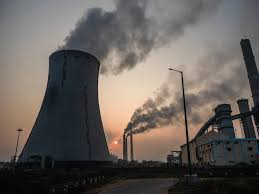
India has indicated that it does not plan to add any new coal-based power capacity beyond 2035, signalling one of the clearest policy shifts yet toward a renewable-led energy future. Senior officials from the Ministry of Power stated that the government’s current roadmap caps coal-power capacity at 307 GW by 2035, with no expansion planned after that point under existing scenarios.
The announcement comes at a critical time, as India works to balance rising electricity demand with its long-term climate commitments. Coal continues to supply over 70% of the nation’s power, but rapid growth in solar, wind, hydro, and nuclear generation is expected to reshape the grid over the next decade.
Officials emphasized that the focus will now shift to non-fossil fuel capacity, including large-scale renewable energy parks, green hydrogen integration, and battery storage systems to stabilize the grid. The government aims to install 500 GW of non-fossil capacity by 2030, positioning India among the world’s fastest-growing clean energy markets.
Energy experts said the decision not to expand coal beyond 2035 reflects improved renewable-energy economics, volatile global coal prices, challenges in land acquisition for new thermal plants, and growing investor preference for low-carbon projects. However, they cautioned that coal will still play a crucial role in maintaining baseload supply and ensuring grid stability, especially during peak evening hours.
The Ministry of Power also highlighted the need for stronger transmission networks, pumped hydro storage, and policy incentives to support this transition. The government will reassess the situation closer to 2035 but, as of now, sees no requirement for additional coal capacity beyond what is already planned.
Industry analysts view this policy stance as a landmark moment, reflecting India’s gradual but steady shift toward a cleaner, more diversified energy architecture while ensuring reliability for its expanding economy.