
India Sends Geologists to Zambia to Explore Copper and Cobalt Deposits: Strengthening Critical Mineral Ties with Africa

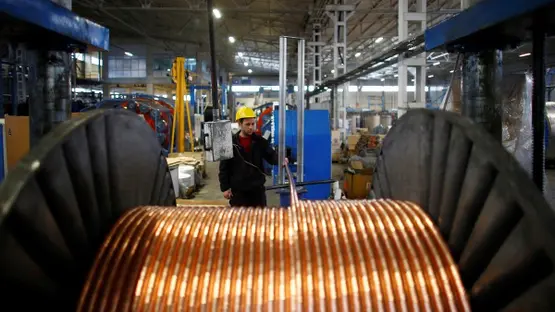
In a significant step toward securing its future in clean energy and electric mobility, India has dispatched a team of geologists to Zambia to carry out a large-scale exploration of copper and cobalt reserves. This initiative is part of a broader strategy by the Indian government to reduce reliance on imported critical minerals and build long-term partnerships with resource-rich nations.
Mission Overview: Geological Collaboration in Africa
The team, comprising expert geologists from India’s Mineral Exploration and Consultancy Limited (MECL) and Geological Survey of India (GSI), will be working in Zambia under a three-year exploration programme. Covering more than 9,000 square kilometers, the mission aims to identify commercially viable copper and cobalt deposits, which are essential for the production of electric vehicle (EV) batteries, renewable energy systems, and high-tech electronics.
Zambia, a leading global producer of copper and a significant source of cobalt, offers a strategic opportunity for India to diversify its mineral supply chains and reduce vulnerability to market disruptions, especially from dominant suppliers like China and the Democratic Republic of Congo.
Why Copper and Cobalt Matter
Copper is a key conductor of electricity, making it vital for EVs, power grids, and green infrastructure.
Cobalt is a critical component of lithium-ion batteries, essential for energy storage and electric mobility.
India’s ambitious clean energy targets—including 500 GW of non-fossil fuel capacity by 2030 and Net Zero emissions by 2070—necessitate a stable supply of these two strategic minerals.
Strategic Diplomacy Meets Resource Security
This move is the result of ongoing diplomatic and trade engagements between India and Zambia, with both countries expressing mutual interest in enhancing mining and mineral sector cooperation. It aligns with India’s Critical Minerals Strategy, launched to ensure long-term access to materials necessary for its green economy transformation.
The exploration initiative also sets the stage for:
-
Future commercial mining ventures by Indian public and private companies in Zambia
-
Joint ventures for mineral processing and refining
-
Technology and knowledge transfer in sustainable mining practices
Economic and Geopolitical Significance
With growing global competition for critical minerals, India’s proactive engagement in Zambia reflects its intent to build resilient, diversified, and ethical supply chains. The country’s mining sector is also being encouraged to look overseas through support mechanisms like:
-
India’s National Mineral Policy
-
International critical mineral alliances
-
Incentives for overseas acquisitions of mineral assets
Moreover, this initiative strengthens India’s presence in Africa, where mineral diplomacy is increasingly becoming a tool of strategic engagement among global powers.
Next Steps and Outlook
Once promising mineral zones are identified in Zambia, India is expected to seek mining leases, potentially involving Indian PSUs and private sector players in extraction and processing. This would contribute not only to India’s resource security but also to Zambia’s economic growth through investment, job creation, and infrastructure development.
India’s deployment of geologists to Zambia marks a strategic milestone in its global pursuit of critical mineral security. As the world races toward an electric and digital future, such international collaborations will be vital in enabling India to meet its energy transition goals, strengthen its manufacturing base, and enhance its role as a responsible global economic player.