
India to Launch National Critical Mineral Stockpile to Secure Rare Earth Elements Amid Global Supply Chain Concerns

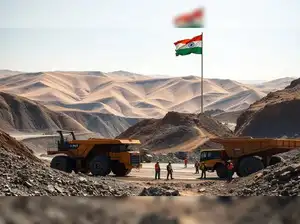
In a major strategic move to strengthen its industrial resilience and national security, India is preparing to launch a National Critical Mineral Stockpile aimed at securing key resources such as rare earth elements and other essential minerals vital for the country’s clean energy, electronics, and defense sectors. This initiative comes amid growing global supply chain disruptions, geopolitical tensions, and the rising demand for minerals essential to modern technologies.
The proposed stockpile will function as a strategic reserve of critical minerals—including lithium, cobalt, nickel, graphite, and rare earths—crucial for manufacturing electric vehicles (EVs), wind turbines, semiconductors, and advanced defense systems. The move underscores India’s intent to reduce its dependence on foreign sources, particularly China, which currently dominates the global rare earth supply chain.
A Strategic Step for Resource Security
India’s reliance on imports for key minerals has long been a concern for policymakers. With the global transition toward green energy and digital technologies accelerating, the demand for these minerals is expected to multiply several times over the next decade. The new stockpile will serve as a buffer against external shocks and ensure the steady availability of raw materials for domestic industries.
The government plans to coordinate this initiative through a dedicated inter-ministerial mechanism involving the Ministry of Mines, Ministry of Commerce and Industry, and the Department of Science and Technology. The National Critical Minerals Committee, set up earlier to identify essential minerals for India’s economic security, has already shortlisted around 30 such minerals that will form the basis of this stockpile.
Boosting Domestic Production and Recycling
While creating a reserve is one aspect, India is also working to boost domestic exploration and extraction of critical minerals. The Geological Survey of India (GSI) and other agencies have identified potential reserves of lithium in Jammu & Kashmir and other mineral-rich regions. Additionally, the government aims to encourage recycling of e-waste and battery materials, reducing the dependence on imported sources.
India’s recent policy initiatives—such as the Critical Minerals Mission and partnerships with countries like Australia, Canada, and Argentina—are aligned with this broader strategy. These efforts focus not only on securing supply chains but also on fostering technology transfer, joint exploration, and sustainable mining practices.
Global Context and Economic Implications
The creation of a national mineral stockpile is also a geopolitical response to the increasingly fragmented global trade environment. Many countries, including the United States, Japan, and members of the European Union, have already initiated similar programs to safeguard their industrial base. The pandemic, Russia-Ukraine conflict, and recent trade restrictions on China have highlighted the fragility of global supply chains, making such reserves an economic necessity.
For India, the stockpile will be a strategic economic asset—helping stabilize prices, support domestic manufacturers, and promote confidence in the country’s self-reliance push under the Atmanirbhar Bharat initiative. It will also encourage private sector participation and foreign investment in the mining and processing of critical minerals.
Challenges Ahead
Despite its strategic potential, the initiative faces challenges related to storage infrastructure, mineral processing capabilities, and environmental concerns. India currently lacks the advanced refining technology needed to process rare earth elements at scale. Developing this capacity will require international collaboration, significant investment, and adherence to environmental standards to ensure sustainable extraction and utilization.
Furthermore, the government will need to balance strategic reserve goals with commercial use, preventing hoarding and ensuring equitable access for domestic industries. Establishing transparent regulatory frameworks and efficient management systems will be key to the success of the initiative.
A Vision for Future Security
The National Critical Mineral Stockpile represents a forward-looking step in India’s journey toward resource independence and technological sovereignty. As the world transitions toward a low-carbon future, minerals are becoming the new oil—fueling economies, innovation, and defense. By securing its access to these essential materials, India is not only strengthening its economic foundation but also asserting its role as a major player in the global green economy.
In essence, this initiative will fortify India’s supply chain resilience, empower its industrial base, and position the country as a leader in the global pursuit of sustainable and secure mineral resources.