
India’s Coal Imports Rise 14% in September: Detailed Analysis

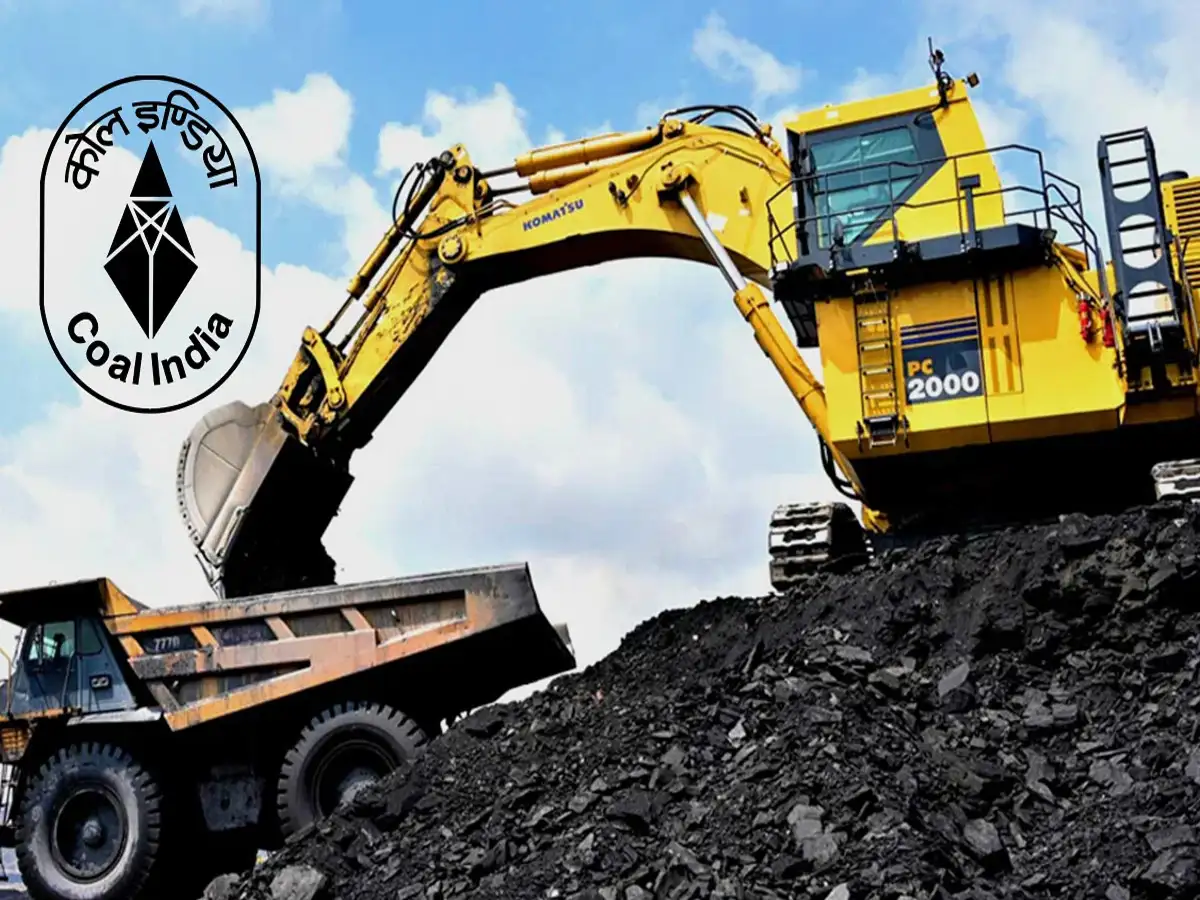
India recorded a sharp rise in coal imports during September 2025, with shipments increasing by around 14% compared to the same month last year. Fresh demand from the power sector, restocking by steel producers, and festive-season preparations contributed to the surge.
Import Trends and Key Numbers
According to industry data, India imported 22.05 million tonnes (MT) of coal in September, compared to 19.43 MT in September the previous year.
Breakdown by Coal Type
-
Non-coking coal
-
September imports: 13.90 MT, up from 13.24 MT last year.
-
Used mainly by power plants and cement industries.
-
-
Coking coal
-
September imports: 4.50 MT, up significantly from 3.39 MT a year ago.
-
Used primarily in steelmaking and not readily available in high quality domestically.
-
Half-Year Trend (April–September 2025)
-
Non-coking coal imports were lower on a cumulative basis due to better domestic mining output.
-
Coking coal imports were higher, driven by strong demand from steel producers.
What’s Driving the Import Increase?
1. Demand Ahead of the Festive Season
Industries typically build inventories ahead of India’s high-consumption festive months. Power demand rises, and industries such as cement, construction, and manufacturing increase production, which boosts non-coking coal demand.
2. Strong Restocking by Steel Mills
The steel sector increased coking coal purchases due to:
-
Higher production targets,
-
Expected demand from the winter season, and
-
The need to replenish low inventories.
Since India lacks sufficient high-grade coking coal, steel companies rely heavily on imports.
3. Quality Requirements
Even though India is ramping up domestic coal production, high-grade thermal and coking coal needed for certain industries cannot be fully met locally. This quality gap continues to drive imports.
Government Policy Context
The government has been pushing to reduce import dependence by boosting domestic production. Coal India has reopened mines and expanded capacity across several states.
Despite this, India still imports coal because:
-
Some domestic coal grades are unsuitable for metallurgical processes,
-
Power utilities occasionally face short-term supply constraints,
-
International coal can sometimes be price-competitive at specific moments in the market.
Imports remain unrestricted under the Open General License system, allowing industries to purchase based on their needs without policy barriers.
Economic and Industrial Impact
Steel Sector
-
Coking coal imports rising by over 30% year-on-year highlight India’s structural dependency on foreign coal for steelmaking.
-
Rising import bills increase production costs, which can influence domestic steel prices.
Power Sector
-
Increased non-coking coal imports indicate strong electricity demand.
-
Some utilities imported coal to ensure smoother operations and avoid shortages during peak demand.
Foreign Exchange & Price Volatility
Higher import volumes expose India to global price fluctuations. Currency depreciation can further inflate the cost of imported coal.
Challenges Ahead
-
Global price uncertainty may impact long-term import planning.
-
Environmental concerns remain significant as coal still dominates India’s energy mix.
-
Domestic quality constraints limit India’s ability to fully replace imported high-grade coal.
Outlook
-
Import demand may remain firm in the short term due to winter restocking by steel mills.
-
Over the medium term, rising domestic production and operational improvements in mining could reduce non-coking coal imports.
-
However, coking coal imports will likely stay high, as India lacks reserves of the quality required for modern steelmaking.