
India’s Global Mission for Rare Earth and Critical Minerals: A Strategic Shift in Resource Diplomacy

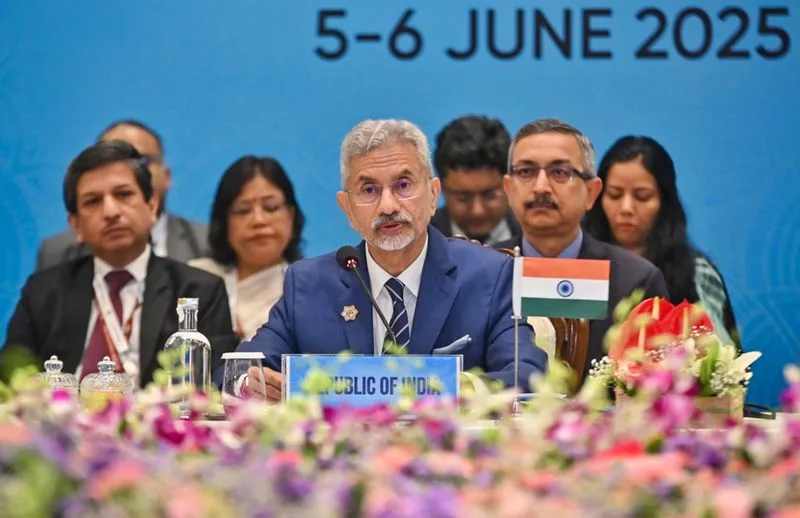
As the global race for critical minerals intensifies, India has launched a bold and expansive strategy to secure vital resources essential for its technological, energy, and economic transformation. Prime Minister Narendra Modi’s July 9 visit to Namibia is a key milestone in this evolving mission—one that signals India’s intent to become a dominant player in the global rare earth and critical mineral supply chain.
Namibia: A New Gateway to Africa’s Mineral Wealth
Namibia, known for having the world’s third-largest uranium reserves, is emerging as a pivotal partner in India’s mineral diplomacy. With growing emphasis on green hydrogen, nuclear power, and clean energy transitions, India sees Namibia not only as a uranium source but also as a strategic hub for rare earths and cobalt—minerals that are essential for advanced electronics, electric vehicles (EVs), and renewable energy technologies.
The visit also marks a deeper cooperation in resource mapping, investment, and technology transfer, paving the way for long-term engagement in Africa’s mineral-rich landscape.
Expanding India’s Global Resource Footprint
Beyond Namibia, India is systematically strengthening ties with resource-rich countries across Africa, South America, and the Caribbean, aiming to build a resilient and diversified critical mineral supply chain.
🇿🇲 Zambia
India is engaged in the exploration of 9,000 square kilometers of high-grade cobalt and copper reserves—critical materials for EV battery manufacturing, energy storage systems, and green technologies. Zambia’s mineral potential is crucial for India’s clean-tech ambitions.
🇦🇷 Argentina
With the second-largest lithium reserves in the world, Argentina has become a key partner. India has secured major lithium deals, ensuring a stable supply of the metal that powers batteries for EVs, smartphones, and solar storage systems.
🇬🇭 Ghana
India is deepening cooperation with Ghana through mineral exploration initiatives, supporting capacity-building and data sharing to identify rare earth and base metal deposits. This not only ensures mineral security but also boosts South-South cooperation.
🇨🇩 Democratic Republic of Congo (DRC)
India’s renewed pact with the DRC is a strategic step to access 70% of the world’s cobalt reserves. As the demand for EV batteries and green tech accelerates, Congo’s cobalt becomes indispensable for India’s supply diversification efforts.
🇹🇹 Trinidad & Tobago
In a significant move in July 2025, India renewed its MoU with Trinidad & Tobago, expanding cooperation to include rare earths and energy resource mapping. This Caribbean partnership reflects India’s broadened geographic scope in securing mineral supplies.
Driving India’s Tech and Energy Transformation
India’s aggressive push for rare earths and critical minerals is aligned with its broader goals under:
-
Make in India and Atmanirbhar Bharat (self-reliant India),
-
National Electric Mobility Mission Plan (NEMMP),
-
Green Hydrogen Mission,
-
And the energy transition roadmap toward achieving net-zero emissions by 2070.
These minerals are the backbone of advanced manufacturing, powering semiconductors, wind turbines, solar panels, batteries, and defense technologies.
Strategic Autonomy Through Mineral Security
By establishing multi-regional partnerships, India is reducing its dependence on China for rare earths and is actively positioning itself as a trusted global supplier and collaborator in the critical mineral economy. These efforts are not just about extraction—they are about building end-to-end value chains, from mining to processing and advanced manufacturing.