
India’s Long Road to Rare-Earth Independence: A Decade of Challenges and Opportunity

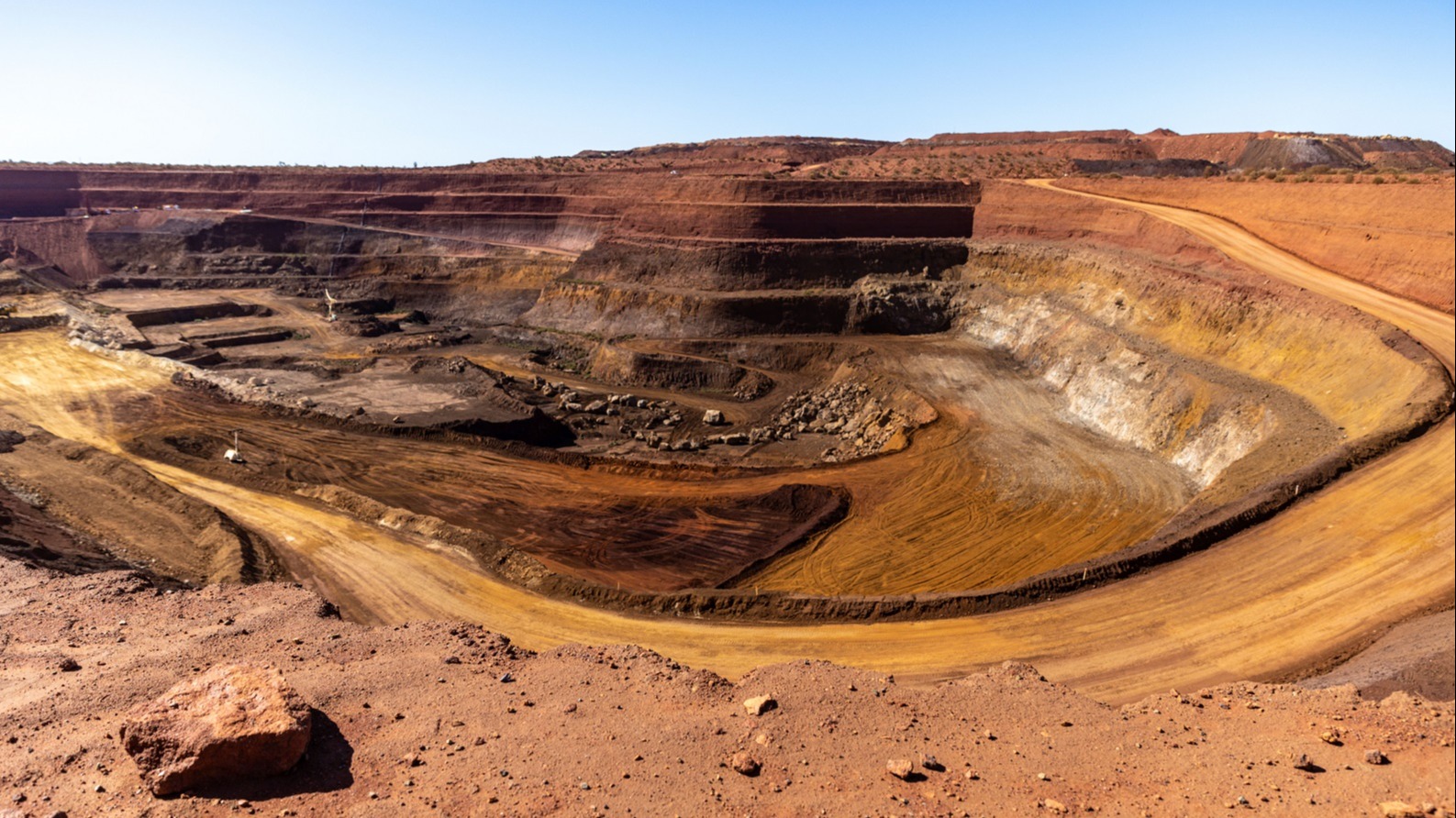
As the world races toward a green energy future, rare-earth elements (REEs) have become the backbone of modern technology—from electric vehicles and wind turbines to advanced electronics and defense systems. India, despite having substantial rare-earth deposits, remains heavily reliant on imports for processed REEs. Now, with a growing sense of urgency, India is intensifying its rare-earth strategy. Experts suggest the country can become self-reliant—but it will take sustained effort over the next decade.
1. Why Rare-Earths Matter
Rare-earth elements, though not rare in terms of availability, are difficult to extract and even more challenging to refine. Their importance lies in:
-
Permanent magnets used in EVs, smartphones, and drones.
-
Phosphors for LED lighting and display screens.
-
Catalysts and alloys for defense and aerospace applications.
For India, reducing dependence on China—currently the world’s dominant player in rare-earth processing—is both a strategic and economic priority.
2. India’s Current Position
India is home to some of the largest monazite-rich beach sand reserves in states like Tamil Nadu, Odisha, Andhra Pradesh, and Kerala. However:
-
Most rare-earth minerals are extracted in raw form.
-
The country lacks the high-end technology needed to process and purify REEs at scale.
-
Indian Rare Earths Limited (IREL) and a few government research units handle limited production, mainly for lower-value elements.
The absence of large-scale value-addition facilities leaves India dependent on imports for critical components used in green and defense technologies.
3. Government Push and Industry Response
In recent years, the government has taken several steps to develop a domestic rare-earth ecosystem:
-
Identification of rare-earths as critical minerals under the new national mineral policy.
-
Greater focus on public-private partnerships to scale up exploration and processing.
-
Discussions around creating a National Rare Earth Mission to accelerate capacity-building and R&D.
Private companies, however, remain cautious due to high capital requirements, lack of infrastructure, and environmental regulations.
4. Major Challenges
The path to rare-earth independence is not without hurdles:
-
Technology gap: India lacks access to key processing technologies, many of which are protected by patents or held by a few global players.
-
Environmental concerns: REE extraction and refining produce radioactive waste and chemical byproducts that require strict handling and disposal.
-
Investment risk: The market for REEs is volatile, and profitability depends heavily on long-term global demand and price stability.
-
Lack of skilled manpower: There is a shortage of trained geologists, metallurgists, and processing experts in this niche field.
These issues make it clear that quick progress is unlikely, even with strong policy backing.
5. Global Context and Strategic Urgency
With global powers like the US, EU, and Japan also scrambling to diversify away from China’s rare-earth dominance, India has an opportunity to become a competitive alternative in the global supply chain. To do so, it must:
-
Forge international partnerships for technology and expertise.
-
Develop strategic stockpiles of rare-earth metals.
-
Encourage innovation in eco-friendly processing methods.
-
Build dedicated industrial clusters and export hubs for REE-based components.
These moves will also support India’s goals under the Make in India and Atmanirbhar Bharat missions.
Outlook: A Decade of Transformation
Industry experts and policy advisors agree that building a full-spectrum rare-earth value chain—from mining to magnets—will require at least 8 to 10 years. This includes:
-
Establishing refining and separation plants.
-
Building pilot-scale magnet-making units.
-
Training workforce and upgrading research capabilities.
-
Streamlining environmental clearances and land acquisition.
The transition won’t be fast, but it is achievable with persistent focus, coordinated policy, and strategic investment.
India’s rare-earth ambition is no longer just about resources—it is about resilience, security, and sustainability. The road ahead is long and complex, but with a decade of deliberate planning and execution, India can emerge as a significant player in the global rare-earth market. The challenge now is to convert potential into capacity—and vision into reality.