
India’s Myanmar Minerals Gamble: Rare Earths, Rebels, and the China Challenge

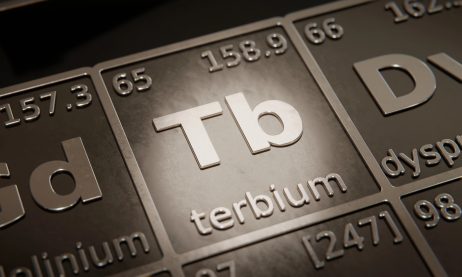
India’s growing appetite for critical minerals has drawn it into one of Southeast Asia’s most volatile landscapes: Myanmar, a country rich in rare earth deposits but mired in conflict and political instability. The pursuit of these strategic resources reflects New Delhi’s determination to secure supply chains essential for modern technologies, but it also exposes India to a complex web of challenges involving rebels, geopolitics, and China’s entrenched dominance.
The Mineral Prize
Rare earth elements (REEs) are indispensable for manufacturing everything from smartphones and electric vehicles to missile guidance systems and renewable energy infrastructure. Myanmar has quietly emerged as one of the world’s top suppliers, with its mines feeding nearly half of China’s rare earth imports in recent years. For India, diversifying sources away from China, which currently controls over 80% of global REE refining, is both a strategic and economic necessity.
By engaging with Myanmar’s mineral sector, India hopes to strengthen its position in global supply chains while reducing vulnerabilities in sectors tied to defense, electronics, and clean energy. This move aligns with India’s broader policy of “Atmanirbhar Bharat” (self-reliance) and its push to build strategic reserves of critical minerals.
The Rebel Factor
But Myanmar’s mineral wealth lies largely in restive border regions, particularly areas controlled by ethnic armed groups. These groups, often engaged in decades-long insurgencies against the central government, oversee unregulated mining operations that have fueled both conflict and environmental destruction. For India, sourcing minerals from such regions risks entangling it in Myanmar’s internal conflicts and raising ethical concerns over human rights and sustainability.
Moreover, the porous India-Myanmar border has long been a corridor for insurgent activity and illicit trade. Any mineral-focused engagement risks spilling over into issues of cross-border militancy and law enforcement, complicating India’s security calculations in its northeast.
The China Challenge
India’s efforts in Myanmar also confront the formidable presence of China, which has been deeply entrenched in Myanmar’s mining and infrastructure projects for decades. Chinese companies not only dominate the mining sector but also control most of the refining and processing capacity critical for turning raw ores into usable materials.
For Beijing, Myanmar is both a resource hub and a strategic partner in its Belt and Road Initiative (BRI). India’s attempts to carve out space in the mineral sector will therefore be viewed through the lens of regional competition, adding another dimension to the already tense India-China rivalry.
Strategic Calculations
New Delhi’s gamble in Myanmar underscores the difficult balance between economic necessity and geopolitical risk. Securing rare earth supplies is vital for India’s long-term energy transition and defense modernization. Yet the path forward is fraught with instability: military rule in Naypyidaw, ongoing civil conflict, Chinese competition, and questions about environmental sustainability all cast a shadow over India’s ambitions.
Experts argue that India may need to pair its Myanmar outreach with investments in domestic refining capacity, collaborations with like-minded partners such as Japan, the US, and Australia, and a strong emphasis on ethical supply chains. Without these safeguards, India risks being drawn into the same exploitative networks that have fueled unrest in Myanmar for decades.
Looking Ahead
India’s Myanmar minerals gamble is more than an economic play—it is a test of its ability to navigate the intersections of resources, geopolitics, and regional security. The outcome could shape not just India’s technological future but also its broader standing in the Indo-Pacific.
As one analyst put it, “Whoever controls rare earths controls the future of technology. India has no choice but to enter the game—but it must do so with its eyes wide open.”