
India’s Strategic Shift: Easing FDI Norms for Solar Industry While Tightening IT and Data Regulations

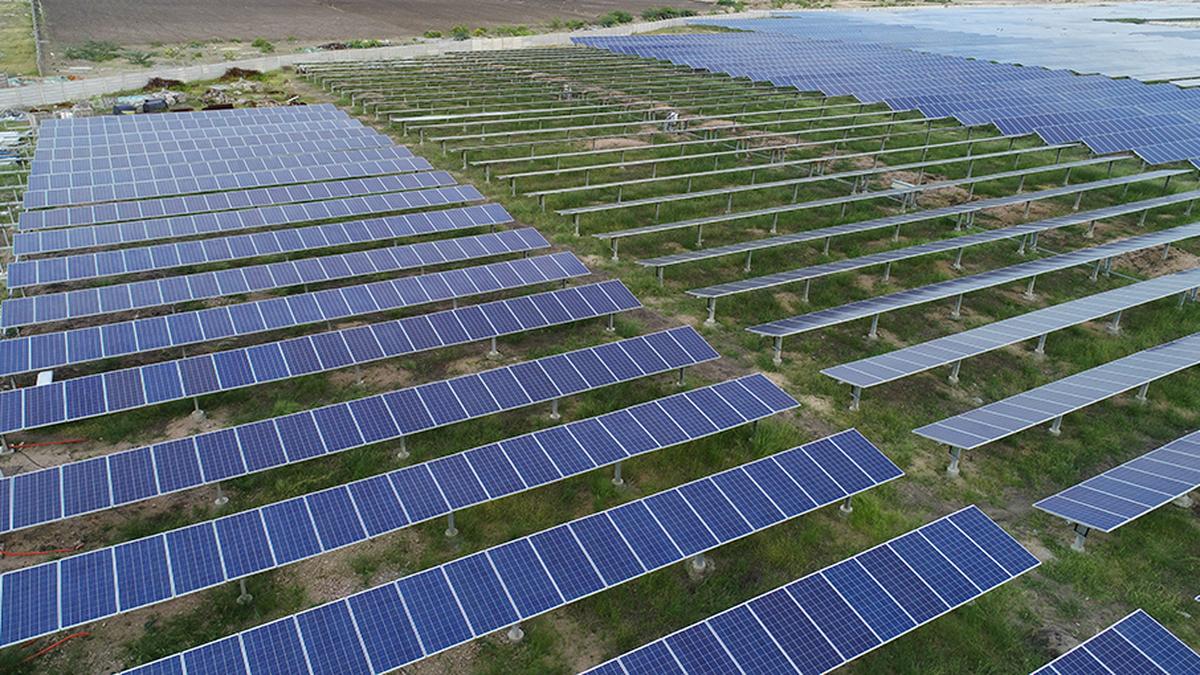
India is considering easing Foreign Direct Investment (FDI) norms for the solar industry to attract Chinese expertise and capital, while simultaneously tightening regulations on IT and data-driven sectors to safeguard national security. This dual approach, reported by sources like Moneycontrol and Economic Times, reflects a strategic balance between leveraging foreign investment for renewable energy growth and protecting sensitive sectors amid geopolitical tensions. The move comes as India aims to meet its 500 GW non-fossil fuel target by 2030, while addressing a $101.7 billion trade deficit with China in FY 2024. This article explores the proposed policy changes, their economic and strategic implications, and the challenges and opportunities they present, as of August 19, 2025.
Details of the Proposed Policy Changes
Easing FDI Norms for the Solar Industry
-
Objective: Facilitate Chinese investment and technical expertise to boost solar capacity, which surged from 2.5 GW in 2014 to 94.16 GW by November 2024.
-
Policy Context: The Department for Promotion of Industry and Internal Trade (DPIIT) is reviewing Press Note 3 (2020), which mandates government approval for FDI from countries sharing land borders, including China, to curb opportunistic takeovers.
-
Proposed Changes: Discussions focus on easing approvals for renewable energy sectors, particularly solar, to streamline investments while retaining safeguards. Inter-ministerial consultations with DPIIT and the Ministry of Corporate Affairs are nearing finalization, with a draft framework ready.
-
Rationale: Finance Minister Nirmala Sitharaman highlighted that Press Note 3 restrictions have hindered renewable energy projects requiring Chinese technical inputs, prompting stakeholder requests for relaxed norms.
Tightening IT and Data Regulations
-
Objective: Enhance scrutiny of FDI in IT and data-driven services to mitigate security and strategic risks, particularly concerning data privacy and national security.
-
Policy Measures: The government is reviewing FDI norms to impose stricter oversight on investments in these sectors, ensuring no sensitive data is compromised.
-
Context: India’s digital infrastructure, including Aadhaar and UPI (13.88 billion transactions in June 2024), is a critical asset, necessitating robust protections against foreign control.
-
Geopolitical Sensitivity: Heightened scrutiny is driven by concerns over Chinese investments, given ongoing border tensions and a history of data security risks, as noted in reports from 2020.
Economic and Strategic Implications
Solar Industry
-
Economic Boost: Easing FDI norms could attract significant Chinese capital, reducing India’s $30 billion solar import bill by 2030 and supporting domestic manufacturing under the Production Linked Incentive (PLI) scheme.
-
Capacity Expansion: Increased investment could help achieve the 500 GW non-fossil fuel target, with solar contributing 94.16 GW, enhancing India’s global renewable energy leadership.
-
Trade Deficit Reduction: The 2024-25 Economic Survey suggests that FDI from China could lower India’s $101.7 billion trade deficit by reducing import dependency.
-
Job Creation: Investments in solar projects, such as the 50 sanctioned solar parks across 12 states, are expected to create jobs and stimulate regional economies.
IT and Data Sectors
-
Security Enhancement: Tightening FDI norms protects critical digital infrastructure, aligning with global trends of stricter investment screening, as seen in Western countries.
-
Innovation Protection: Safeguarding IT and data sectors ensures India retains control over its booming tech industry, which attracted 15% of FDI equity inflows ($110.69 billion) from 2000 to March 2025.
-
Geopolitical Leverage: Stricter regulations counter potential Chinese influence in sensitive sectors, supporting India’s strategic autonomy amid border disputes.
Challenges
Solar Industry
-
Geopolitical Risks: Easing FDI norms for Chinese investment risks increased economic exposure to China, especially given unresolved border tensions, as cautioned by the Sri Lanka Guardian.
-
Domestic Industry Concerns: Relaxed norms could undermine local manufacturers if Chinese firms dominate, despite initiatives like the 40% customs duty on solar modules introduced in 2022.
-
Regulatory Balance: Ensuring safeguards while streamlining approvals requires careful calibration to avoid security lapses or bureaucratic delays.
-
Global Competition: India must compete with countries like Australia, which is advancing urban mining for critical minerals, to secure a leading position in renewable energy.
IT and Data Sectors
-
Investment Deterrence: Stricter regulations may deter legitimate foreign investors, potentially slowing innovation in India’s $110.69 billion IT sector.
-
Implementation Complexity: Enhanced scrutiny requires robust mechanisms, increasing administrative costs and potential delays in FDI approvals.
-
Balancing Openness: Tightening norms must avoid isolating India from global tech collaborations, critical for its startup ecosystem and digital economy.
Opportunities
Solar Industry
-
Technology Transfer: Chinese expertise could enhance India’s solar manufacturing capabilities, supporting initiatives like the International Solar Alliance with 120+ signatory countries.
-
Economic Growth: Increased FDI could drive investments like the $15,000 crore Emmvee Group solar panel plant, boosting India’s renewable energy exports.
-
Global Leadership: Easing norms positions India as a renewable energy hub, aligning with its $360 billion investment goal by 2030 for 500 GW capacity.
-
Trade Synergies: Relaxed FDI could foster reciprocal trade benefits, as seen in recent India-China diplomatic engagements ahead of Prime Minister Modi’s August 2025 China visit.
IT and Data Sectors
-
Domestic Innovation: Stricter oversight encourages local R&D, strengthening India’s 156,041 DPIIT-recognized startups and $118.84 billion service sector FDI inflows.
-
Security Framework: Enhanced regulations could set a global standard for data protection, attracting privacy-conscious investors and boosting India’s digital credibility.
-
Strategic Autonomy: Protecting IT and data sectors ensures India maintains control over critical infrastructure, supporting its $4.1 trillion GDP growth trajectory.
India’s proposed policy shift to ease FDI norms for the solar industry while tightening regulations on IT and data sectors reflects a strategic balancing act. By inviting Chinese investment to bolster its 94.16 GW solar capacity and meet the 500 GW non-fossil fuel target by 2030, India aims to reduce its $101.7 billion trade deficit and enhance renewable energy leadership. Concurrently, stricter IT and data regulations safeguard national security and digital infrastructure. Despite challenges like geopolitical risks and regulatory complexity, the policies offer opportunities for technology transfer, economic growth, and strategic autonomy. This dual approach positions India to navigate global trade dynamics and domestic priorities, strengthening its economic and strategic standing in 2025 and beyond.