
Iron Ore Futures Slide on Weak Chinese Factory Data and Property Sector Struggles

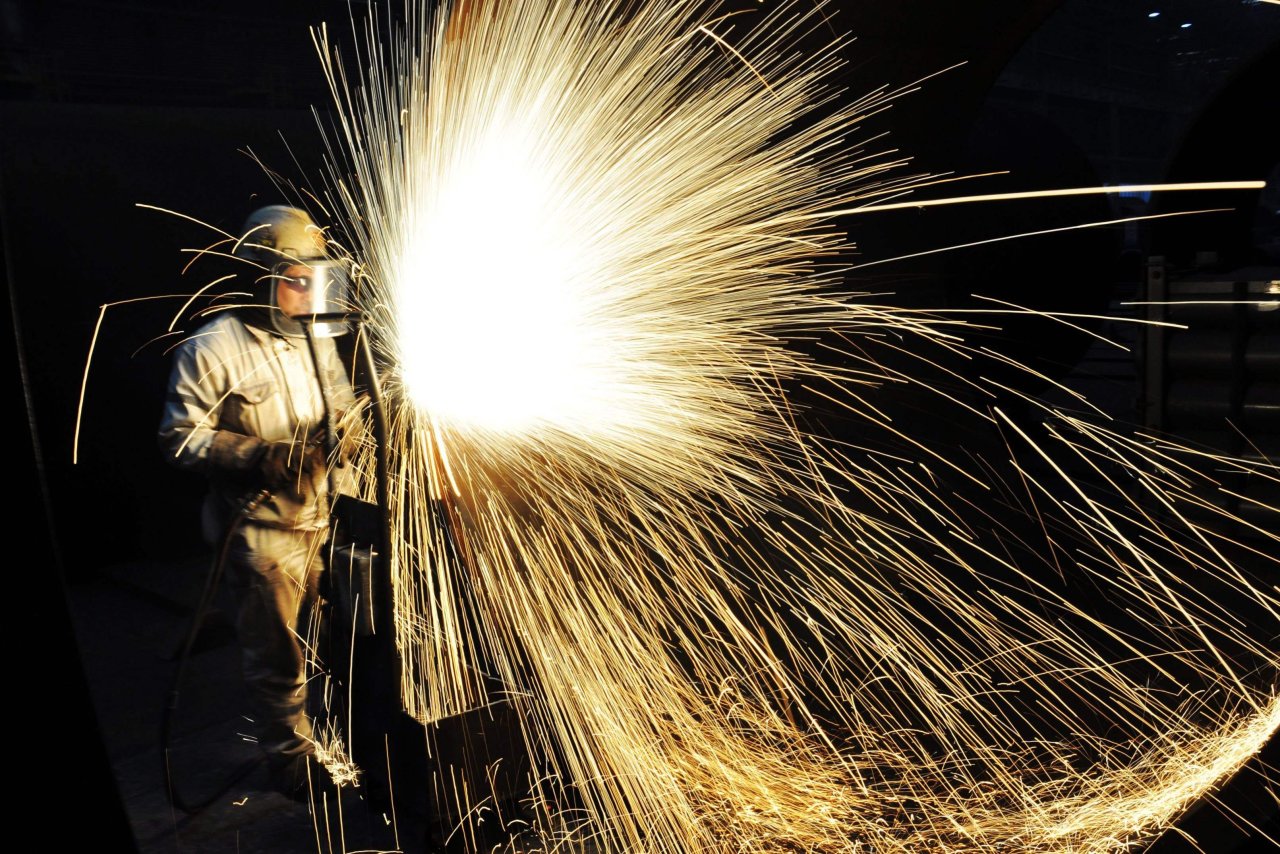
Global iron ore futures fell sharply on Tuesday, reacting to a combination of disappointing factory activity data and ongoing distress in China’s property market. As China remains the world’s largest consumer of iron ore, the dual pressures of declining manufacturing output and real estate stagnation have significantly dampened sentiment in the commodity markets.
Weak Factory Output Adds Pressure
Fresh economic data released this week indicated that China’s manufacturing sector has once again contracted, signaling continued weakness in industrial demand. The latest Purchasing Managers’ Index (PMI) fell below expectations, reflecting sluggish new orders, subdued export demand, and persistent pressure on factory margins.
This downturn in industrial activity directly impacts steel production, which is a major end-use sector for iron ore. With fewer orders and growing inventory levels, steelmakers are scaling back production, reducing the demand for iron ore imports.
Property Sector Crisis Deepens
The real estate sector, another key driver of steel and iron ore consumption, remains mired in crisis. Several large developers continue to struggle with debt defaults, unfinished housing projects, and weak homebuyer confidence. Construction activity, which typically provides strong demand for steel rebar and other infrastructure-grade materials, remains far below pre-crisis levels.
The lack of a strong, coordinated stimulus from Beijing to revive housing and construction investment is amplifying concerns across raw material markets.
Impact on Iron Ore Prices
In response to these developments, iron ore contracts on both the Dalian Commodity Exchange (DCE) and the Singapore Exchange (SGX) registered notable declines. Prices for the most-traded iron ore contract dipped by more than 2%, reflecting mounting bearish sentiment.
Market traders and analysts warn that unless there is clear intervention from Chinese policymakers—such as interest rate cuts, infrastructure packages, or housing reforms—the iron ore market may remain under sustained pressure in the second half of 2025.
Global Ripple Effect
As China accounts for over 60% of global iron ore demand, any prolonged downturn in its consumption patterns reverberates across international mining giants like Rio Tinto, Vale, and BHP. Lower prices may prompt supply-side adjustments, especially from high-cost producers.
Moreover, this trend may affect the export earnings of iron ore–rich economies such as Australia, Brazil, and South Africa, and could weigh on their broader economic outlooks.
The sharp drop in iron ore futures is a direct reflection of the uncertain macroeconomic environment in China, particularly its troubled manufacturing and property sectors. Until Beijing signals strong and coordinated policy responses to revive economic activity, the outlook for iron ore prices will likely remain volatile and under downward pressure.