
Jindal Steel Duqm’s Hydrogen-Ready Steel Plant in Oman: A Leap Toward Green Steelmaking

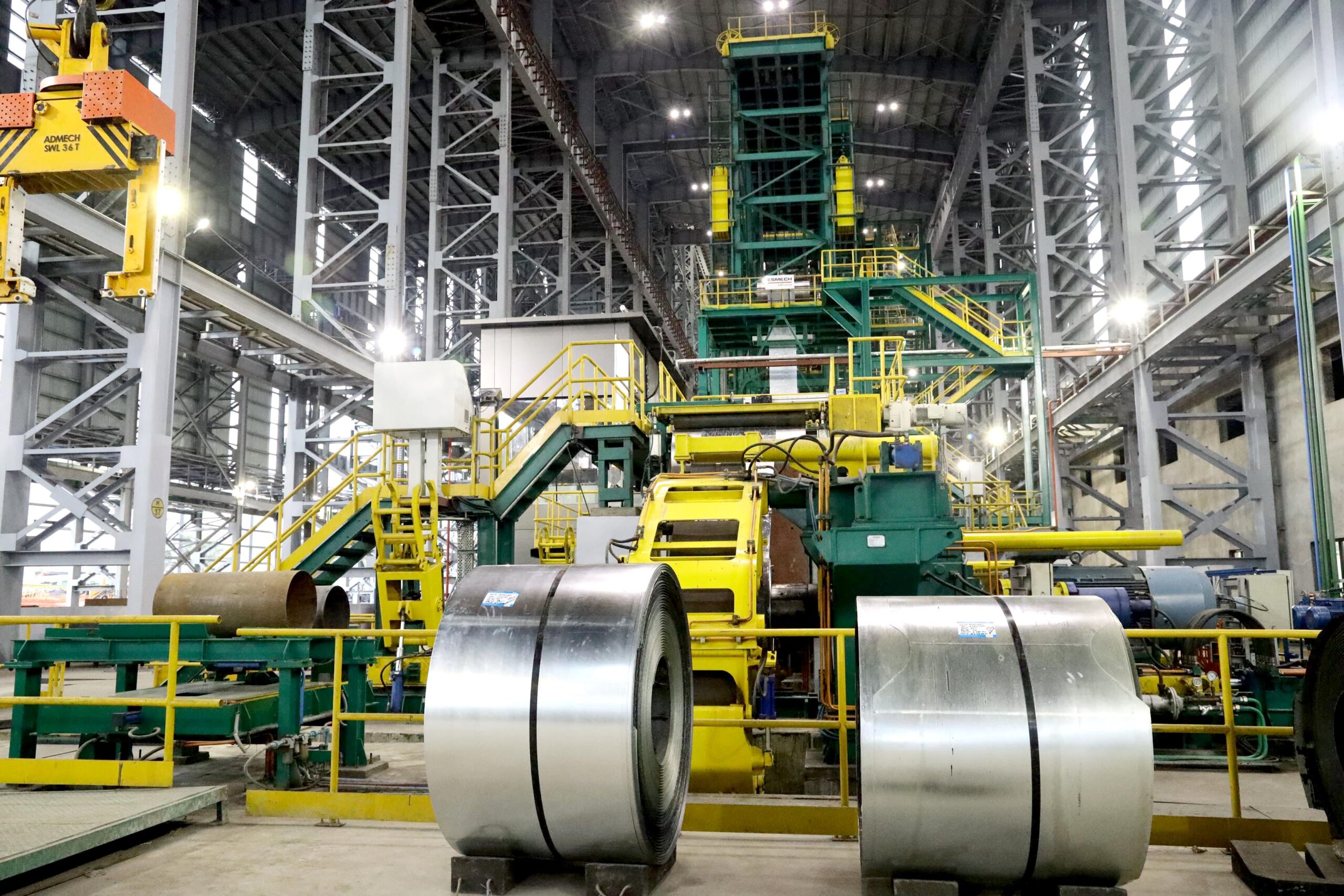
Transformative milestone in sustainable industrial development has been marked with Jindal Steel Duqm, a subsidiary of the Naveen Jindal Group, laying the foundation for a cutting-edge hydrogen-ready steel plant in the Special Economic Zone at Duqm, Oman. This $3 billion (approximately ₹25,000 crore) project, with a planned capacity of 5 million tonnes per annum (MTPA), positions India as a global leader in green steelmaking. This article explores the innovative technology, strategic timeline, and far-reaching implications of this visionary initiative.
A Visionary Leap in Green Steelmaking
Jindal Steel Duqm’s new facility represents a bold step toward decarbonizing the steel industry, one of the world’s largest carbon emitters. The plant will integrate hydrogen-ready direct reduced iron (DRI) modules with electric arc furnace (EAF) technology, a combination designed to minimize environmental impact. With a planned start for Phase 1 in December 2028 and full hydrogen injection by 2033, the project aligns with global efforts to achieve net-zero emissions by mid-century.
The plant will initially operate using natural gas, a transitional fuel, while preparing for a seamless shift to green hydrogen as Oman’s renewable energy and hydrogen infrastructure matures. This adaptability underscores the project’s forward-thinking design, positioning it as a pioneer in the global decarbonization race.
Technological Innovation at the Core
The heart of this green steel complex lies in its two 2.5 MTPA DRI modules, engineered to utilize green hydrogen—a clean alternative to traditional coal-based reduction processes. Green hydrogen, produced using renewable energy sources like solar and wind, eliminates carbon emissions during steel production. Paired with EAF technology, which uses electricity to melt scrap steel and DRI, the plant will produce low-carbon hot briquetted iron (HBI) and DRI, catering to the rising demand for sustainable steel in Europe.
A senior JSPL executive emphasized, “Hydrogen will be injected into the DRI process as soon as supply is ready,” highlighting the project’s readiness to leverage Oman’s upcoming renewable energy projects. This integration not only reduces the carbon footprint but also enhances energy efficiency, setting a new standard for steel manufacturing.
Strategic Location and Economic Impact
Located in the Special Economic Zone at Duqm, the plant benefits from Oman’s strategic position as a hub for renewable energy and export-oriented industries. The region’s abundant sunlight and wind resources will support green hydrogen production, with plans to draw supply from local renewable projects. This synergy strengthens Oman’s role in the global hydrogen economy while creating a robust supply chain for Jindal Steel Duqm.
The $3 billion investment is expected to generate significant economic activity, including thousands of jobs during construction and operations. As an export-focused facility, it will target Europe’s growing market for green steel, driven by stringent carbon regulations like the EU’s Carbon Border Adjustment Mechanism (CBAM). This move not only bolsters India’s steel industry but also elevates its global competitiveness.
Timeline and Phased Development
The project is structured in phases to ensure a smooth transition to green technology. Phase 1, slated for commissioning in December 2028, will establish the initial 2.5 MTPA capacity using natural gas, allowing the plant to begin production while hydrogen infrastructure develops. By 2033, the full 5 MTPA capacity will be operational, with hydrogen injection fully integrated. This phased approach mitigates risks associated with early adoption of green hydrogen, ensuring economic viability while meeting environmental goals.
Environmental and Global Significance
The shift to hydrogen-based steelmaking is a game-changer for the industry, which traditionally accounts for 7-9% of global CO₂ emissions. By replacing coal with green hydrogen, Jindal Steel Duqm could reduce emissions by up to 2 million tonnes annually at full capacity, equivalent to removing approximately 400,000 cars from the road. This aligns with India’s commitment to net-zero emissions by 2070 and supports Oman’s Vision 2040, which prioritizes sustainable industrial growth.
Globally, the project reinforces India’s leadership in the green industrial transition. As steelmakers worldwide grapple with decarbonization, Jindal’s blueprint offers a scalable model, blending traditional expertise with cutting-edge technology. The export of low-carbon HBI and DRI to Europe could set a precedent, encouraging other nations to adopt similar strategies.
Challenges and Future Prospects
Despite its promise, the project faces hurdles. The high initial cost of green hydrogen infrastructure—estimated at $2-3 per kilogram—requires significant investment and government support, such as subsidies or carbon credits. Ensuring a stable supply of renewable energy in Oman and managing the transition from natural gas to hydrogen will also demand meticulous planning. However, Jindal’s collaboration with local stakeholders and its track record in innovative steelmaking suggest a strong foundation to overcome these challenges.
Looking ahead, the plant’s success could spur further investments in hydrogen-ready facilities across the Naveen Jindal Group’s portfolio. By 2035, Jindal Steel Duqm could expand its capacity or replicate the model in India, aligning with the country’s goal to increase steel production to 300 MTPA by 2030, with a growing share from green sources.
Jindal Steel Duqm’s hydrogen-ready steel plant in Oman is more than a construction project—it is a blueprint for a low-carbon, future-ready steel industry. With a $3 billion investment, 5 MTPA capacity, and a commitment to green hydrogen by 2033, it positions India as a global leader in sustainable steelmaking. By harnessing Oman’s renewable energy potential and targeting Europe’s green steel market, Jindal is crafting a legacy of innovation and environmental responsibility. As the plant powers up in 2028, it will not only transform Duqm but also inspire a global shift toward greener industrial horizons.