
KCM’s High-Speed Rail Upgrade at Konkola Underground Mine: A Game-Changer for Zambia’s Copper Industry

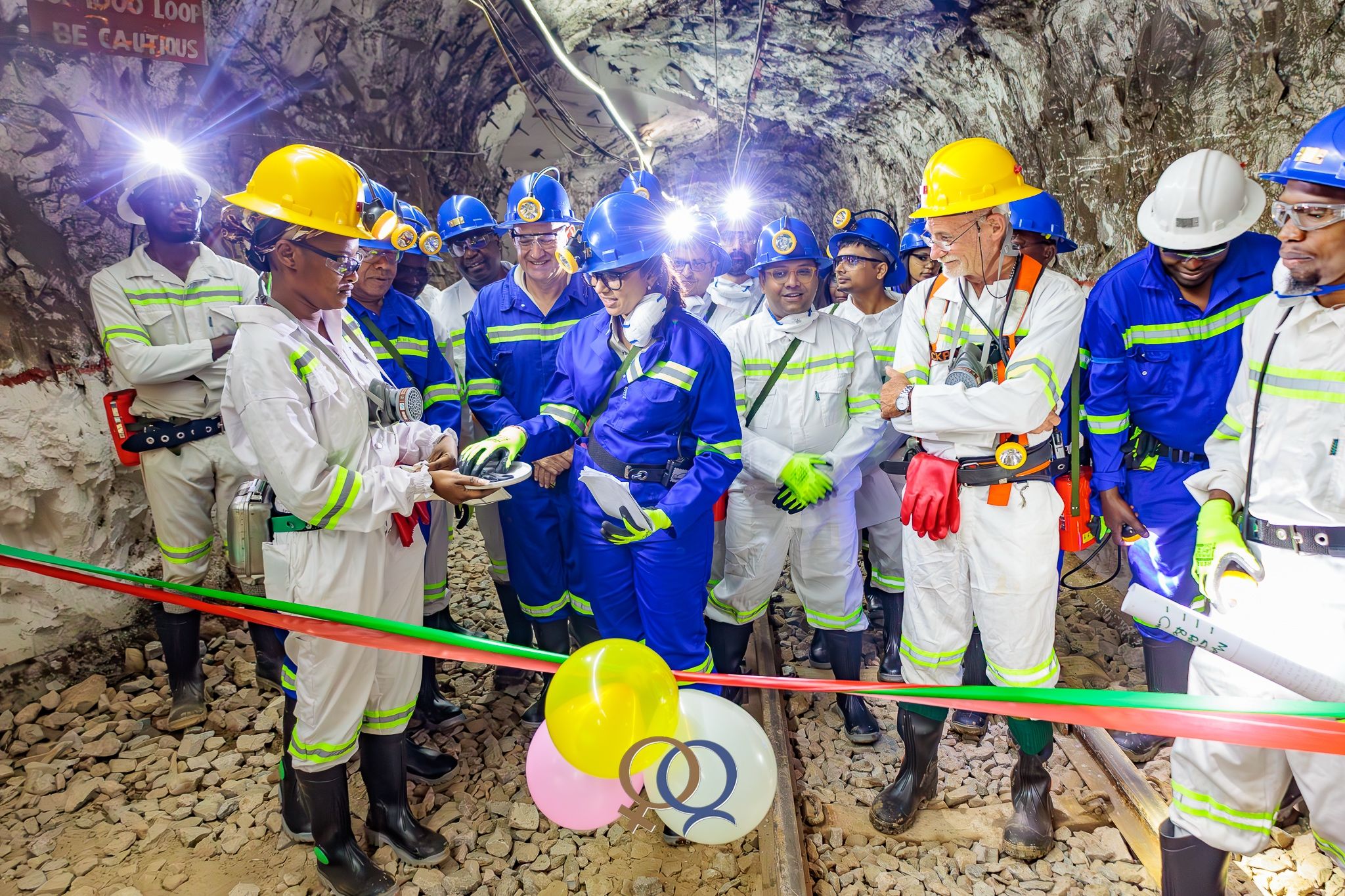
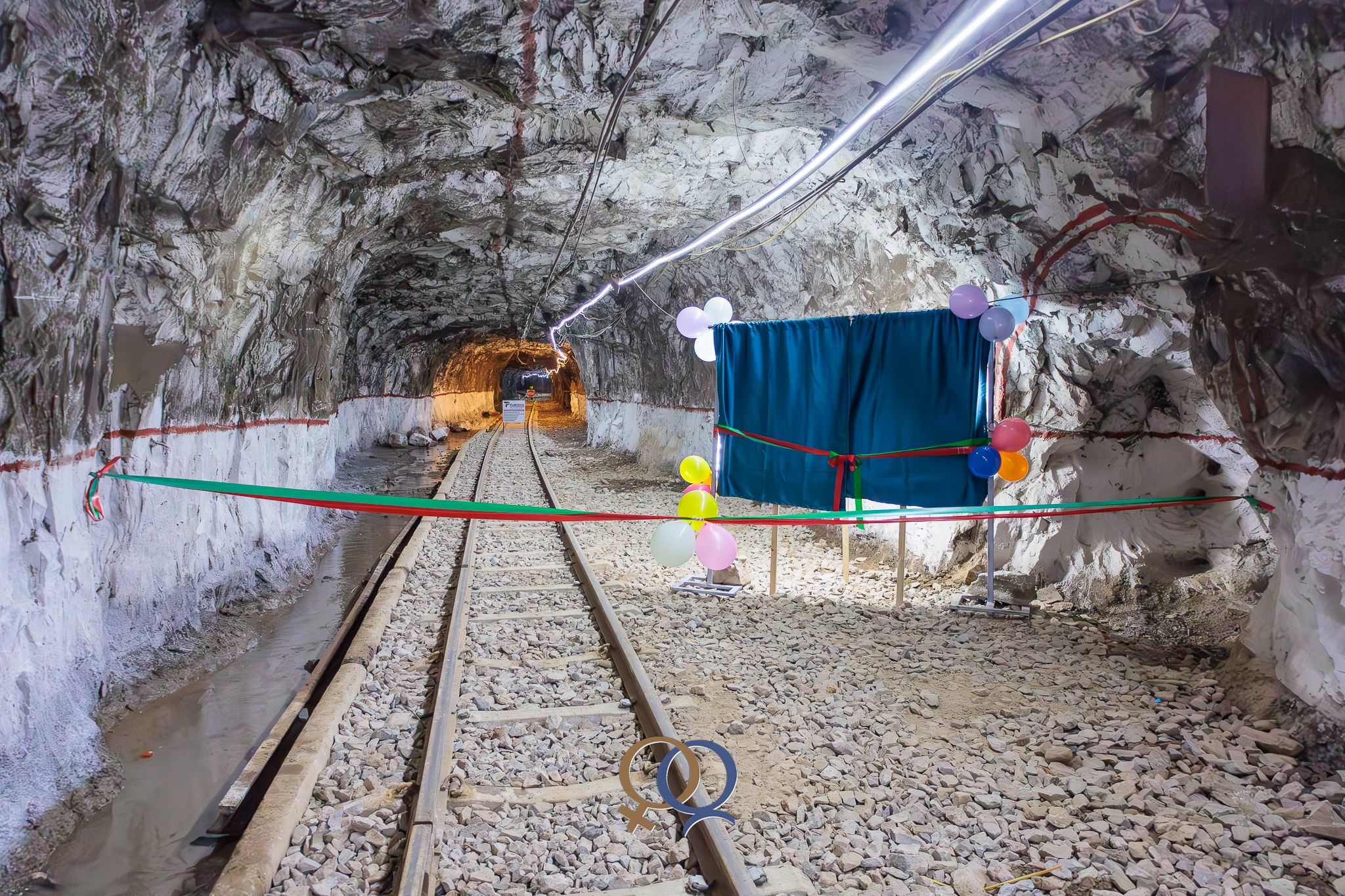
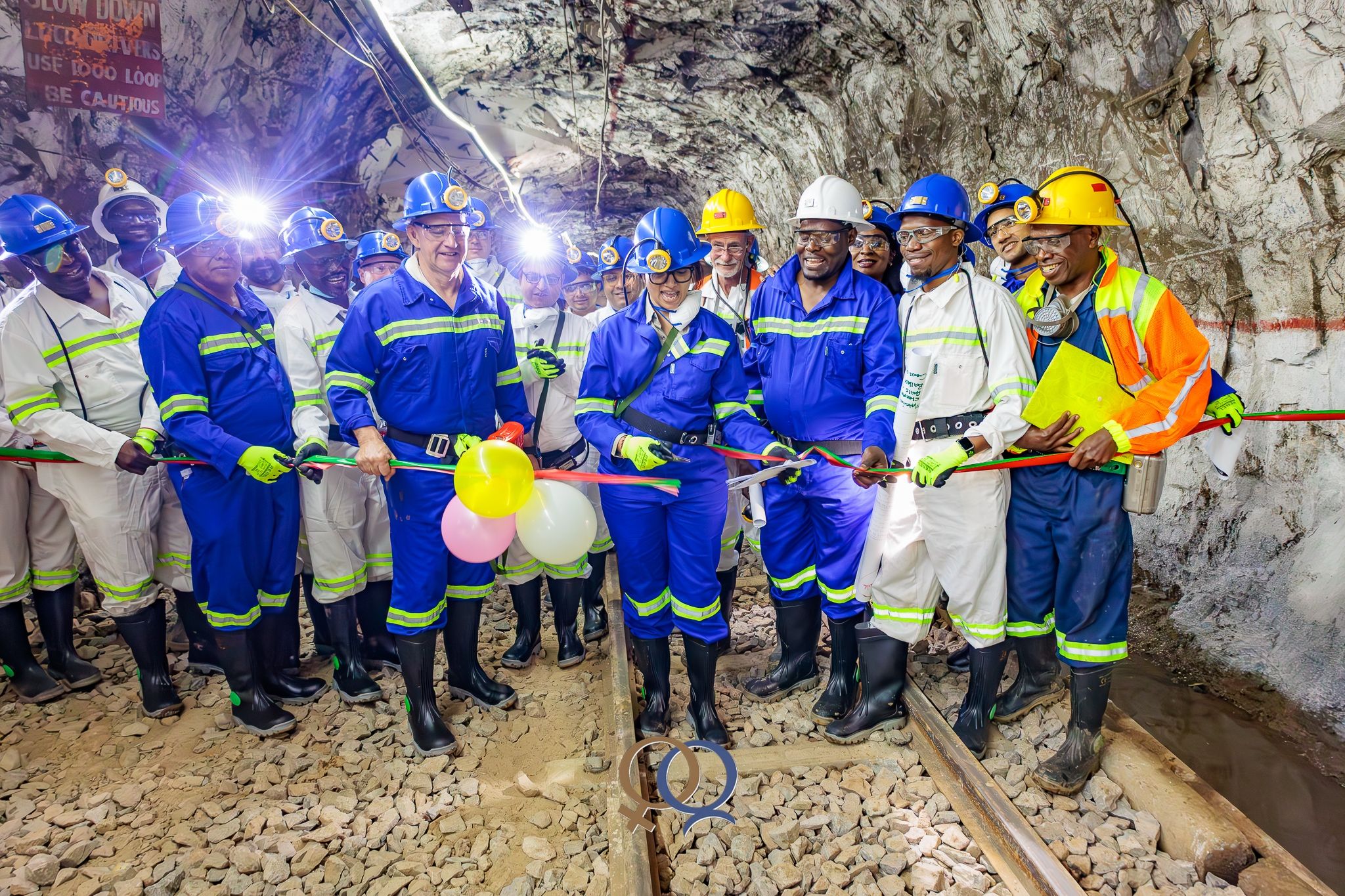
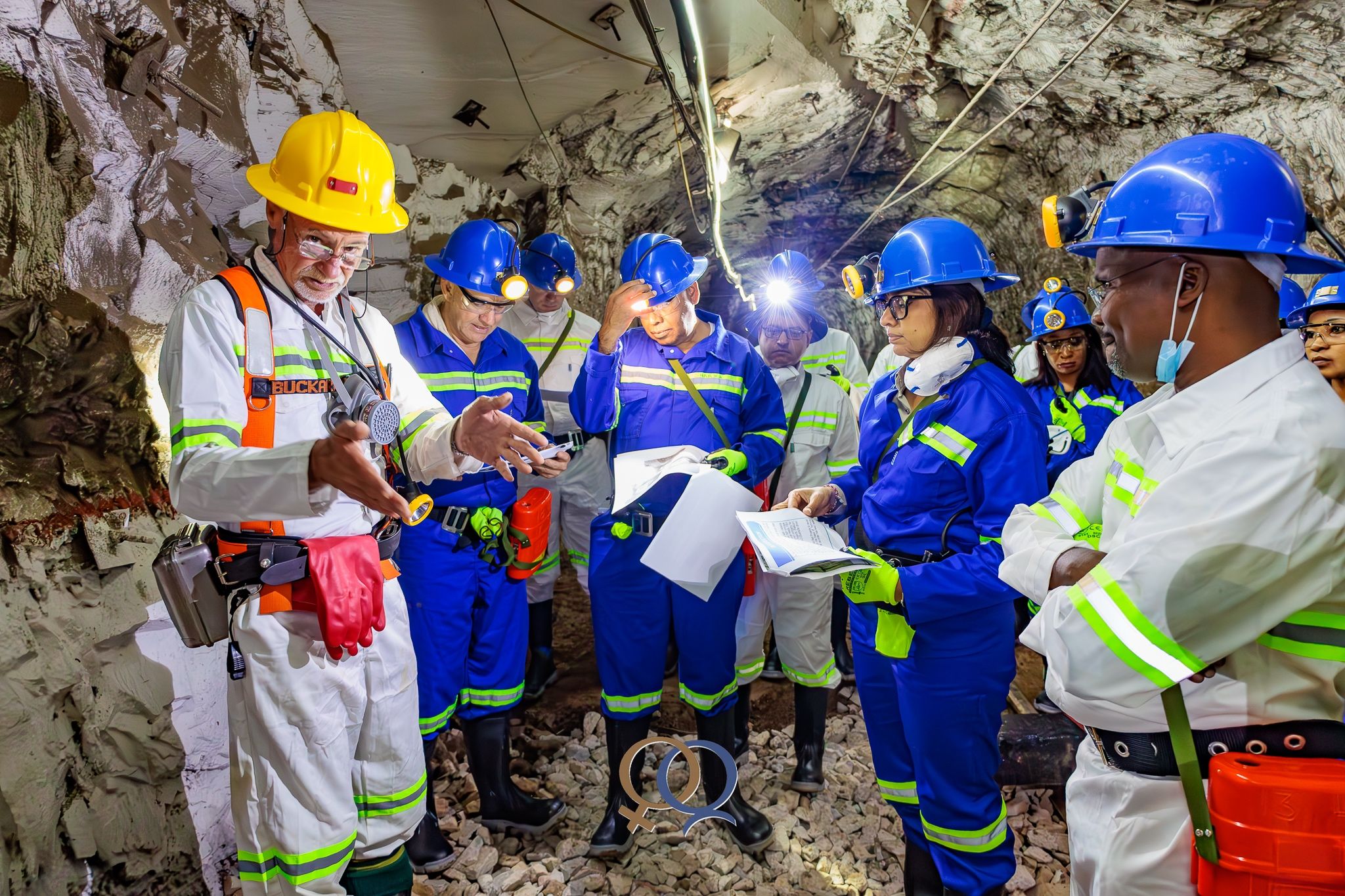
Konkola Copper Mines (KCM) Plc, a leading Zambian copper producer, launched a transformative high-speed rail rehabilitation project at its Konkola underground mine in Chililabombwe. This initiative, spanning 5,934 meters of underground rail network, aims to boost copper ore tramming capacity from 850,000 tonnes per annum (ktpa) to 1.5 million tonnes per annum (mtpa), with a long-term goal of 4 mtpa. Spearheaded by rail infrastructure specialists Flint Rail Projects and inaugurated by Vedanta Group CEO Deshnee Naidoo, the project is a critical step in modernizing KCM’s operations. With completion targeted for April 2026, this first major rail upgrade in over a decade supports KCM’s ambition to produce 300,000 tonnes of copper annually by 2031, aligning with Zambia’s national target of 3 million tonnes by 2030. This article explores the project’s details, its operational and economic impacts, and the challenges and opportunities it presents, drawing from web sources and posts on X.
Project Overview and Technical Details
The high-speed rail rehabilitation project at Konkola underground mine addresses longstanding bottlenecks in ore transportation, modernizing a critical component of KCM’s operations. Key details include:
-
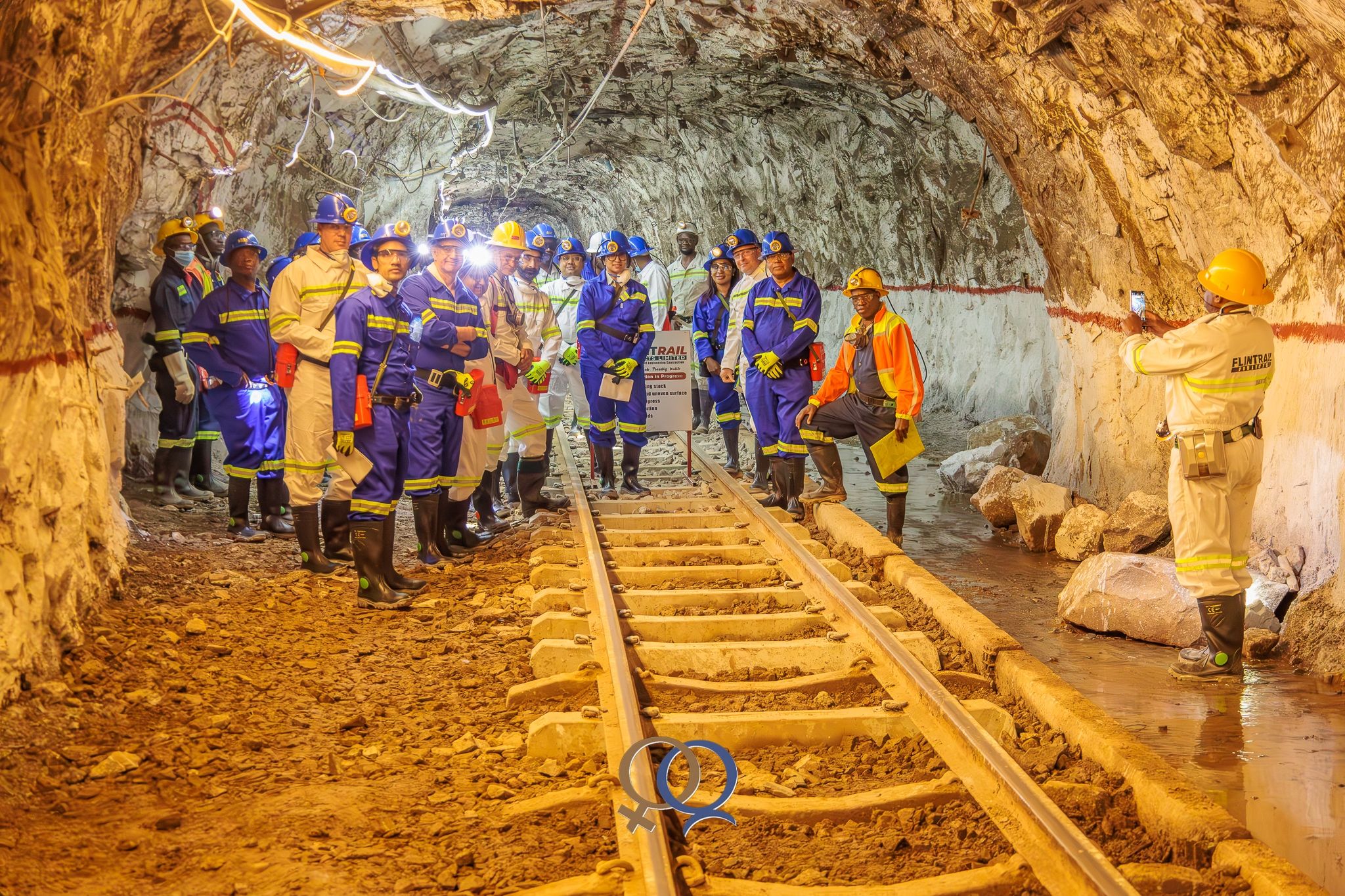
Scope and Scale: The project covers 5,934 meters of underground rail across multiple levels, starting at the 875-meter level of No. 4 Shaft. It is being executed in three phases, with completion expected by April 2026.
-
Partnership with Flint Rail Projects: Leading rail infrastructure specialists Flint Rail Projects have been contracted to implement the upgrades, leveraging their expertise to ensure high-quality execution, as noted in reports from zambianobserver.com and miningconstruction-sadc.com.
-
Operational Goals: The upgrades aim to increase tramming capacity from 850,000 ktpa to 1.5 mtpa in the short term, with an eventual target of 4 mtpa. This will be achieved by enabling higher train speeds, reducing cycle times, and minimizing derailments and operational blockages.
-
Process Integration: Once upgraded, the rail system will transport ore to the main shafts (No. 1, No. 3, and No. 4), where it is hoisted and conveyed to the Konkola concentrator for processing into copper concentrate, which is then sent to the Nchanga smelter.
KCM Chief Operating Officer Malcolm Mewett emphasized the project’s necessity, stating, “Konkola Mine hosts one of the richest copper orebodies in the world. However, the deteriorated state of existing tracks has created tramming bottlenecks, prompting this strategic partnership with Flint Rail Projects to modernize the system.”
Strategic Importance
The rail upgrade is a cornerstone of KCM’s modernization strategy and has significant strategic implications:
-
Production Capacity Boost: The increase from 850,000 ktpa to 1.5 mtpa, and eventually 4 mtpa, will significantly enhance KCM’s ability to exploit the Konkola deposit, one of the world’s richest copper orebodies with 140.3 million tonnes of proven and probable reserves at 1.07% copper, as per miningdataonline.com.
-
Alignment with National Goals: The project supports Zambia’s ambition to reach 3 million tonnes of copper production by 2030, with KCM targeting 300,000 tonnes annually by 2031, as highlighted by Director of Mining Praveen Sharma.
-
Operational Efficiency: Higher train speeds and fewer derailments will reduce operational downtime, improving overall productivity and cost efficiency.
-
Long-Term Sustainability: This “historic milestone,” as described by Sharma, is the first major rail upgrade in over a decade, positioning KCM as a key player in Zambia’s copper-led economic resurgence.
Economic and Industry Impacts
The rail rehabilitation project has far-reaching implications for KCM and Zambia’s mining sector:
-
Economic Contribution: Increased tramming capacity will boost copper output, contributing to Zambia’s GDP and export revenues, especially critical amid global demand for copper in renewable energy and electric vehicles.
-
Job Creation: The project, part of KCM’s $700 million investment in the Konkola Deep Mining Project (KDMP), is expected to create jobs, supporting local communities in Chililabombwe, as noted in solwezitoday.com.
-
Global Competitiveness: By addressing bottlenecks, KCM enhances its ability to meet rising copper demand, aligning with global trends like Antofagasta’s 11% production increase in 2025, as reported by MINING.COM.
-
Investor Confidence: Vedanta’s renewed control of KCM, following a $245.75 million payment in July 2024, and this high-profile project signal a commitment to long-term growth, boosting stakeholder trust.
Challenges and Opportunities
Challenges
-
Project Execution Risks: Completing 5,934 meters of underground rail upgrades by April 2026 requires precise coordination, with potential delays due to logistical or technical issues, as seen in complex projects like NMMC’s flotation upgrades.
-
Geopolitical and Market Risks: Global supply chain disruptions, such as U.S. tariffs impacting mineral exports, could affect equipment sourcing or copper prices, as noted in posts on X.
-
Environmental Compliance: Underground rail upgrades must adhere to Zambia’s environmental regulations, particularly regarding dust and noise management in confined spaces.
-
Capital Intensity: The project, part of a broader $700 million KDMP investment, requires significant funding, potentially straining KCM’s finances if copper prices fluctuate.
Opportunities
-
Technological Innovation: Adopting advanced rail technologies, such as automated monitoring systems, could further enhance efficiency, similar to digital solutions at NMMC’s Hydrometallurgical Plant No. 3.
-
Regional Synergies: The project strengthens KCM’s role in Zambia’s Copperbelt, potentially fostering partnerships with other miners like First Quantum Minerals, recognized at IZIC 2025 for investment excellence.
-
Sustainability Gains: Improved rail efficiency reduces energy consumption and operational waste, aligning with global sustainable mining trends, as emphasized in the World Mining Data 2025 report.
-
Economic Multiplier Effect: Increased copper production could drive infrastructure development and job creation in Chililabombwe, mirroring the economic impact of large-scale mining projects globally.
Image Courtesy:- Konkola Copper Mines plc