

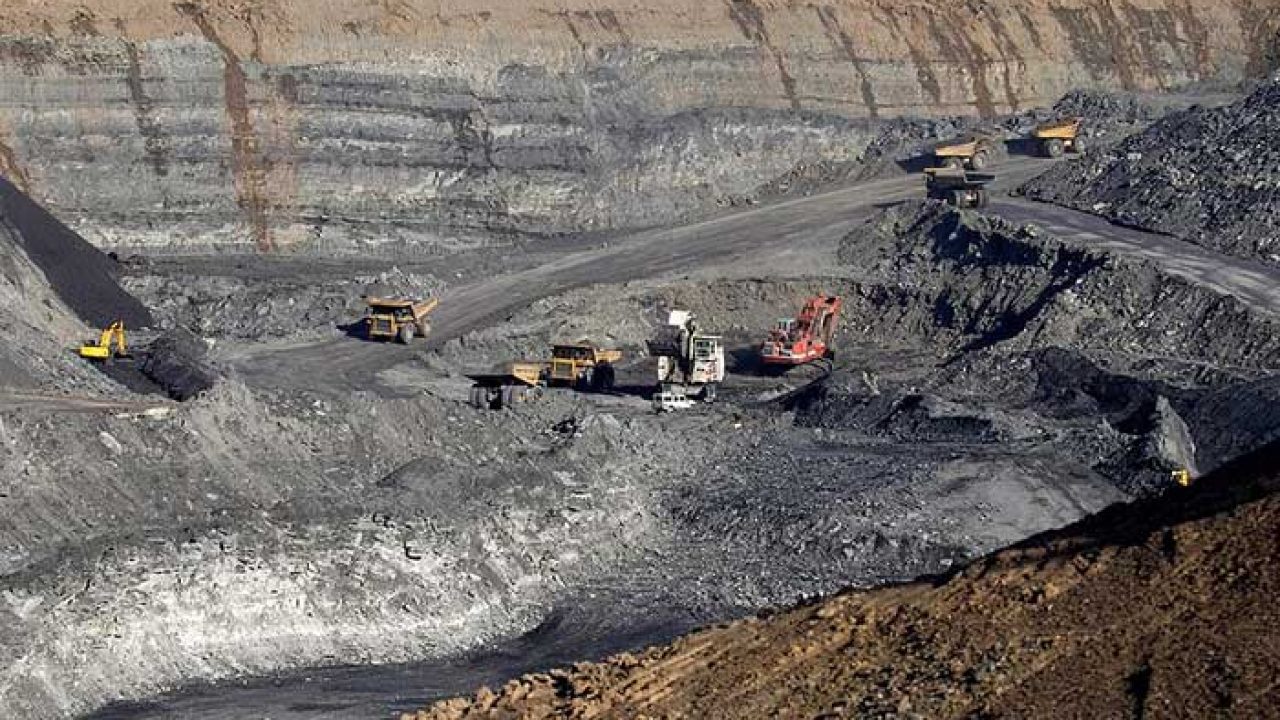
Korba, a key industrial hub in Chhattisgarh, India, stands at a crossroads where economic growth clashes with environmental sustainability. Once renowned for its lush greenery, the region has experienced a dramatic decline in forest cover, plummeting from 35.56% in earlier decades to a mere 14% today, according to recent studies. This alarming transformation, driven by the coal boom, raises critical questions about the cost of development and the urgent need for a balanced approach. This article examines the causes of this forest cover loss, its ecological and social consequences, and the potential pathways toward a more sustainable future.
The Rise of Korba’s Coal Economy
Korba has emerged as one of India’s largest coal and power production centers, fueled by the operations of South Eastern Coalfields Limited (SECL) and a network of open-cast mines, including the massive Gevra mine—the second-largest in the world. With an annual coal production exceeding 180 million tonnes by 2025 and a thermal power capacity of 6,428 MW, the region powers a significant portion of the nation’s energy needs. The Gevra, Dipka, and Kusmunda mines, among others, have driven this boom, contributing over 16% of India’s coal output. However, this economic surge has come at a steep environmental price.
The Forest Cover Collapse
Studies highlight a stark decline in Korba’s forest cover, dropping from 35.56% to 14% over recent decades. This loss is primarily attributed to extensive open-cast mining, which clears vast tracts of land to access coal seams. The region’s forests, once a vital ecological asset, have been replaced by sprawling mine sites, overburden dumps, and industrial infrastructure. The Hasdeo River basin, where Korba is located, has seen significant degradation, with mining activities disrupting water systems and soil stability. This deforestation trend mirrors broader patterns observed in coal-rich districts, where economic priorities often overshadow environmental conservation.
Ecological and Social Fallout
The reduction in forest cover has triggered a cascade of environmental issues. Loss of vegetation has accelerated soil erosion, degraded water quality, and increased the risk of flooding and landslides. Biodiversity has suffered, with habitats for local wildlife—once abundant in Korba’s forests—shrinking dramatically. The region’s tribal population, constituting over 40% of the district and classified as multidimensionally poor, faces additional threats. Displacement from mining areas, loss of traditional livelihoods tied to forestry, and exposure to pollution have compounded their vulnerability.
Air and water pollution from coal operations, including power plants and smelters like Bharat Aluminium Company (BALCO), further exacerbate health risks. The aging workforce, with 70% of formal employees in SECL and NTPC aged 40-60, adds complexity, as retirement timelines may align with mine closures, while the informal sector—over 60% of the workforce—requires urgent reskilling support.
The Human Cost
Korba’s coal-driven economy has not delivered equitable benefits. Despite its industrial might, the district remains an “Aspirational District” with 41% of its population below the poverty line and limited access to healthcare and education. The iFOREST study, “Korba: Planning a Just Transition for India’s Biggest Coal and Power District,” warns of severe socio-economic consequences if mines and plants close without a transition plan. The reliance on coal has stifled diversification into agriculture, forestry, and services, leaving the region overly dependent on a single industry.
Pathways to a Just Transition
Addressing Korba’s forest cover decline requires a multifaceted strategy. High-efficiency, low-emission (HELE) technologies and carbon capture systems could reduce the environmental footprint of existing coal plants. Biomass co-firing, leveraging agricultural waste, offers a short-term solution to lower carbon intensity. However, long-term sustainability demands a shift toward renewable energy and reforestation efforts.
Policy interventions are crucial. The National Electricity Plan (2023-32) aims to retire 28 GW of old coal plants nationwide, including some in Korba, by 2030. A just transition plan, as advocated by NITI Aayog, should include reskilling programs for informal workers, economic diversification into green industries, and compensation for affected communities. Reforestation initiatives, using native species, could reclaim degraded land, though implementation lags, with plantation areas covering only a fraction of lost forest cover.
The Global Context and Local Action
Korba’s experience reflects a global challenge, where coal mining drives deforestation, as seen in Indonesia and Brazil. The push for cleaner energy globally, with demand for critical minerals rising, underscores the need for India to adapt. Locally, strengthening environmental regulations, enforcing land reclamation mandates, and involving tribal communities in decision-making could mitigate further damage. The government’s recent moves to widen roads and install air monitoring stations in Korba are steps forward, but more comprehensive action is needed.
Korba’s coal boom has undeniably fueled India’s energy needs, but the cost to its forests and communities is profound. The decline from 35.56% to 14% forest cover is a stark reminder that development cannot come at the expense of the earth. With strategic investments in cleaner technologies, policy reforms, and a just transition, Korba can chart a path toward sustainability. The next decade will be decisive—will the region reclaim its green heritage, or will the coal boom leave a legacy of irreversible loss?