
Liebherr Mining’s Trolley Solution at Collahuasi: Pioneering Sustainable Mining in Chile

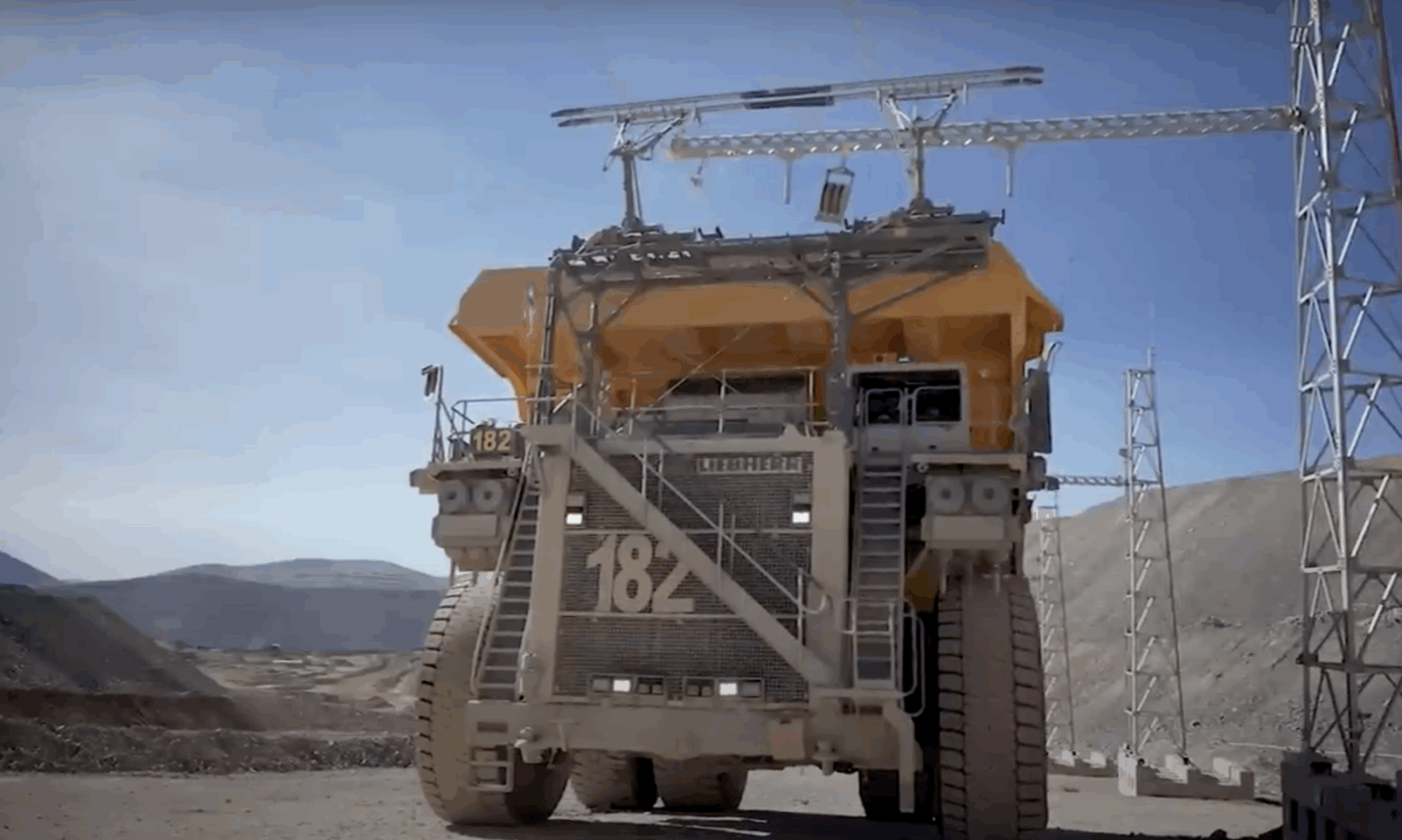
Liebherr Mining successfully commissioned Chile’s first fully operational trolley assist system at the Collahuasi copper mine in the Tarapacá region, marking a landmark achievement in sustainable mining. Located at 4,500 meters above sea level, the third-largest copper mine in the world, jointly owned by Anglo American (44%), Glencore (44%), and Japan Collahuasi Resources B.V. (12%), now operates four Liebherr T 284 360-tonne trucks equipped with pantograph connections on a 1-kilometer trolley line. This innovative system, powered by 100% renewable electricity, reduces CO2 emissions by 97.6% (4,000–5,000 tonnes annually) and diesel consumption by 98% on the electrified uphill haul route, boosting efficiency and setting a benchmark for South American mining. This article explores the project’s scope, technical details, environmental impact, and parallels with industrial and governance developments like Coal India’s critical minerals push, Hasdeo Arand’s coal mining controversy, Sona Comstar’s succession dispute, Kartavya Bhavan’s inauguration, and Gujarat’s export dominance.
Project Overview: A Complete Trolley Solution
The Collahuasi trolley assist system, the first of its kind in South America, was a collaborative effort between Liebherr Mining, Compañía Minera Doña Inés de Collahuasi, and Chilean suppliers like Grupo Saesa (STN). Initiated in 2022, the project addressed unique challenges posed by the mine’s extreme conditions—high altitude, strong winds, and seismic activity—to deliver a comprehensive solution, including:
-
Infrastructure Design and Engineering: A 1-km trolley line along an uphill haul route, where energy demands peak during loaded ascents, powered by two 5.5 MW transformers and a substation with a rectifier station.
-
Truck Modifications: Four T 284 ultra-class trucks (365-tonne payload capacity) were retrofitted with pantograph technology, enabling automatic connection to the overhead catenary system via retractable arms.
-
Implementation and Commissioning: Liebherr managed the entire project, from component sourcing to onsite construction, with civil works supported by Collahuasi and haul road specifications guided by Liebherr Chile.
-
Training and Support: Extensive operator training ensured optimal use, with ongoing technical support provided by Liebherr post-commissioning.
The system allows two T 284 trucks to operate simultaneously, increasing uphill speeds from 11 km/h to 25 km/h—a 127% improvement—resulting in a 21% productivity gain and 2-minute cycle time reduction per haul.
Technical and Sustainability Features
The trolley system’s design prioritizes sustainability and efficiency:
-
Renewable Energy: Powered by 100% renewable electricity, the system eliminates diesel use on the electrified segment, reducing Scope 1 CO2 emissions by 4,000–5,000 tonnes annually from Collahuasi’s total of 560,000–570,000 tonnes.
-
Global Sourcing: Components were sourced strategically:
-
Trolley masts and catenary lines: Engineered in Chile for seismic and wind resilience.
-
Transformers and e-house: Designed in South Africa for robust power management.
-
Auxiliary components (e.g., tension wheels, wires): Sourced globally, managed by Liebherr Chile.
-
-
Retrofit Process: Staged modifications minimized downtime, with superstructures adapted at Liebherr’s Newport News, Virginia facility and pantographs installed by Liebherr Chile as infrastructure neared completion.
-
Operational Benefits: Reduced diesel consumption lowers maintenance costs and extends truck lifespan, while faster uphill speeds enhance efficiency.
Verónica Cortez, Collahuasi’s Energy Manager, emphasized, “This project supports our decarbonization target by replacing diesel with renewable electricity, proving it’s possible to operate efficiently, profitably, and sustainably.” Dalibor Dragicevic, Executive VP of Operations, added, “Trolley assist is a mature, scalable technology suited to our terrain, paving the way for electric or hybrid autonomous trucks.”
Strategic Significance
The Collahuasi project marks Liebherr’s first complete trolley solution in South America, building on its global experience with 38 trolley trucks in Panama, 15 in Zambia, and 7 in Austria. Oliver Weiss, Executive VP of R&D at Liebherr-Mining Equipment SAS, noted, “This project exemplifies what’s possible through strategic partnerships,” highlighting plans to expand trolley systems regionally. Gonzalo Garcia, Managing Director of Liebherr Chile, underscored the global supply chain’s role in overcoming site-specific challenges.
The system serves as a living laboratory for Andean mining, with plans to extend trolley coverage to waste dumps and other high-demand routes, potentially reducing Collahuasi’s diesel reliance further.
Challenges and Lessons from El Teniente
The El Teniente mine collapse in August 2025, where a seismic event killed six workers, underscores the risks of operating at high altitudes with seismic activity, as at Collahuasi. Codelco’s suspension of El Teniente’s expansion in 2020 due to COVID-19 further highlights the need for robust safety and contingency planning. Collahuasi’s trolley system, designed for seismic resilience, benefited from Chilean engineering and Liebherr’s expertise, offering a model for safe innovation.
Parallels with Indian Industrial and Governance Contexts
The Collahuasi project intersects with India’s industrial and governance challenges:
-
Coal India’s Critical Minerals Push: Coal India’s ₹16,000 crore capex for FY26, targeting lithium and cobalt, aligns with Collahuasi’s focus on sustainable mining. Both leverage renewable energy to reduce emissions, but face environmental scrutiny, as seen in Hasdeo Arand’s deforestation protests.
-
Hasdeo Arand Controversy: The Hasdeo Arand coal mining approvals, threatening 450,000–850,000 trees, mirror Collahuasi’s need for stakeholder engagement to balance sustainability and production. Collahuasi’s zero-discharge operations and ISO 14001 certification offer lessons for Coal India.
-
Sona Comstar’s Succession Dispute: The Sona Comstar feud over a ₹8,200 crore stake highlights governance risks in family businesses, relevant for Collahuasi’s joint ownership structure. Transparent partnerships, as between Liebherr and Collahuasi, could guide Sona Comstar’s resolution.
-
Kartavya Bhavan’s Efficiency: The Kartavya Bhavan inauguration on August 6, 2025, reflects centralized efficiency, akin to Collahuasi’s streamlined trolley system. Both address operational bottlenecks but must tackle stakeholder concerns (e.g., privacy at Kartavya Bhavan).
-
Gujarat’s Export Dominance: Gujarat’s ₹9.83 trillion exports in FY25, driven by petroleum and chemicals, parallel Collahuasi’s copper exports. Both face global tariff challenges but leverage infrastructure (e.g., Mundra Port, Collahuasi’s Punta Patache pipeline) for competitiveness.
Opportunities and Future Outlook
The Collahuasi trolley system opens doors for:
-
Scalability: Plans to extend the trolley line to waste dumps could further cut emissions, aligning with Collahuasi’s vision for electric or hybrid autonomous trucks by 2035.
-
Regional Impact: As a model for Andean mining, the system could inspire projects in Peru and Argentina, where lithium and copper demand is rising.
-
Critical Minerals Synergy: Collahuasi’s copper production supports India’s National Critical Mineral Mission, with Coal India eyeing Chilean lithium assets.
-
Sustainability Leadership: The system’s 97.6% CO2 reduction sets a benchmark for global mining, akin to Mangampeta’s eco-friendly baryte mining in India.
By FY30, Collahuasi aims to reduce Scope 1 emissions by 30%, with trolley assist as a cornerstone. The project’s success could drive Liebherr’s expansion of trolley systems across South America, supported by its Bauma 2025 showcase of the T 264 Battery Electric truck.
Liebherr Mining’s trolley assist system at Collahuasi copper mine, commissioned in July 2025, is a pioneering step toward sustainable mining in South America. By electrifying four T 284 trucks on a 1-km trolley line with 100% renewable energy, the project achieves a 97.6% CO2 reduction and 98% diesel savings, enhancing efficiency at 4,500 meters altitude. Overcoming seismic and environmental challenges through global sourcing and Chilean engineering, it sets a precedent for decarbonization. Parallels with Coal India’s critical minerals push, Hasdeo Arand’s governance issues, Sona Comstar’s succession dispute, Kartavya Bhavan’s efficiency drive, and Gujarat’s export success highlight the need for transparent, sustainable innovation. As Collahuasi eyes scalability and Liebherr expands its trolley footprint, this project positions Chile as a leader in green mining, with lessons for global and Indian industries.