

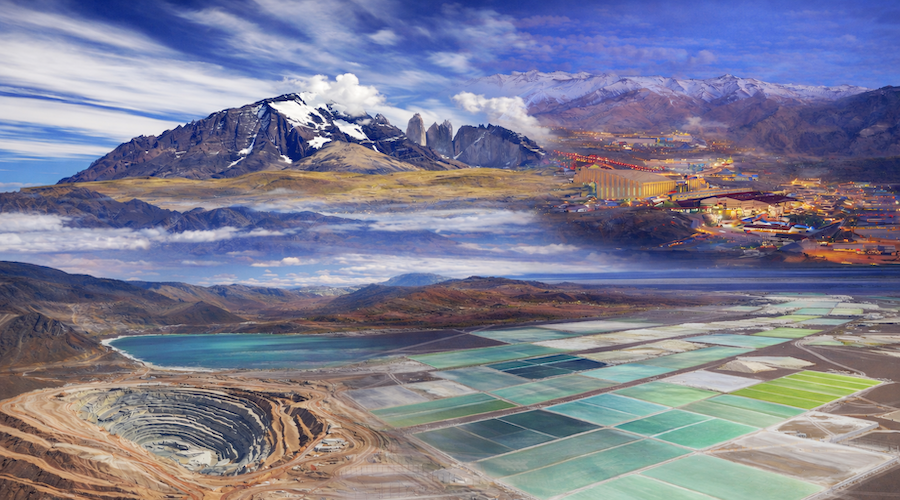
In a newly launched series, MINING.COM examines how mining and power are becoming central to a shifting U.S. strategic approach in Latin America as geopolitical and economic dynamics reshape markets and supply chains across the region.
The series frames Latin America as a region where natural resource wealth—especially in lithium, copper and other critical minerals—is intersecting with geopolitics, prompting renewed interest from the United States in securing supply chains, diversifying energy sources, and bolstering strategic partnerships.
The inaugural installment of the series focuses on Bolivia, a country with vast mineral endowments that has long been at the crossroads of global mining interest. Mineral-rich frontiers such as Bolivia are increasingly viewed not just through traditional market lenses but also as security zones, where political alliances, election outcomes, and regulatory certainty can dramatically affect investment flows and project viability.
According to the report, the region’s lithium “flats” and copper belts are drawing intense scrutiny as the world transitions towards electrification and renewable energy infrastructure, raising the stakes for both economic development and international strategic positioning.
Analysts say that the emerging strategy reflects broader U.S. policy efforts to reduce dependence on dominant global players in critical mineral supply chains, diversify sources of energy and industrial metals, and strengthen economic ties with Latin American nations through investment, regulatory frameworks, and bilateral cooperation.
The series also highlights that mining and power sectors in Latin America are being reshaped by political shifts, including electoral outcomes and evolving governance landscapes, which collectively influence risk perceptions and capital flow into mining projects across the region.
As the MINING.COM series continues, it aims to trace how these strategic imperatives—from geopolitical competition to domestic reform—are influencing markets and the future of resource extraction in Latin America, with Bolivia serving as a bellwether for broader trends