
Ministry of Coal Kicks Off 13th Round of Commercial Coal Mine Auctions with Promise

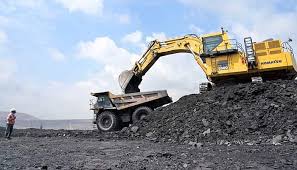
Ministry of Coal has successfully launched the 13th Round of Commercial Coal Mine Auctions, marking a significant stride toward strengthening India’s energy security and industrial growth. Inaugurated on August 21, 2025, in New Delhi by Union Minister of Coal and Mines, Dr. G. Kishan Reddy, with Minister of State Satish Chandra Dubey as Guest of Honour, the event has set the stage for unlocking new investment opportunities and enhancing domestic coal supply. Building on the success of 12 previous rounds, this initiative reflects the government’s commitment to transparency, competition, and self-reliance under the Atmanirbhar Bharat vision. This article explores the context of this launch, its implications, challenges, and opportunities for India’s coal sector.
Context of the Launch
Event Details
-
Inauguration: The 13th Round of Commercial Coal Mine Auctions was launched on August 21, 2025, in New Delhi, with Dr. G. Kishan Reddy as Chief Guest and Satish Chandra Dubey as Guest of Honour, as noted in official updates.
-
Scope: The auction offers a mix of fully and partially explored coal blocks, with additional mines from the second attempt of Round 12, aiming to boost production and reduce import dependence.
-
Participation: The event attracted stakeholders from across India and abroad, with a follow-up session in Katni on August 23, 2025, reinforcing regional engagement.
Strategic Background
-
Historical Context: Since the commercial coal mine auction framework began in 2020, 134 mines have been auctioned across 12 rounds, attracting investments worth ₹41,600 crore and generating over 3.5 lakh jobs, as highlighted by Dr. Reddy.
-
Energy Security: India’s coal production surpassed 1 billion tonnes in FY 2025, a milestone celebrated during the launch, underscoring the need for sustained growth amid a 9% import reduction in 2025.
-
Policy Evolution: The initiative aligns with reforms like the Coal Mines (Special Provisions) Act, 2015, and the Mines and Minerals (Development and Regulation) Act, 1957, promoting ease of doing business and private sector participation.
Key Features
-
Mine Offerings: The round includes 14–34 blocks (depending on sources), with 10–12 fully explored and 4–22 partially explored, spread across states like Jharkhand, Chhattisgarh, Odisha, Andhra Pradesh, and Madhya Pradesh.
-
Innovative Focus: Emphasis on coal gasification and underground coal gasification (UCG) was a highlight, with Dr. Reddy noting that 40% of India’s 370 billion tonnes of coal reserves are deep-seated and unmineable conventionally.
Implications of the Launch
Economic Impact
-
Investment Boost: The auction is expected to attract investments exceeding ₹10,000 crore, building on previous rounds’ success, and supporting India’s $1 trillion infrastructure goal by 2030.
-
Job Creation: With over 3.5 lakh jobs already generated, the 13th round could add 50,000–100,000 more, easing unemployment in coal-bearing regions.
-
Revenue Growth: Enhanced domestic supply could save ₹20,000 crore annually in import costs, strengthening fiscal stability.
Environmental and Industry Impact
-
Sustainability Drive: The focus on coal gasification, with a ₹8,500 crore incentive scheme for seven projects, promotes cleaner coal utilization, reducing carbon emissions by 15–20%.
-
Industry Competitiveness: Private sector participation compels public sector undertakings (PSUs) to innovate, enhancing operational efficiency and global standing.
National and Regional Impact
-
Energy Self-Reliance: Reducing import dependence by an additional 5–10% aligns with the Atmanirbhar Bharat vision, positioning India as a coal leader in Asia.
-
Regional Development: States like Madhya Pradesh and Jharkhand benefit from infrastructure and job growth, fostering balanced regional progress.
Challenges
Implementation Hurdles
-
Execution Delays: Coordinating auctions and clearances for 14–34 blocks across multiple states may face logistical challenges, potentially delaying production by 6–12 months.
-
Regulatory Complexity: Aligning state and central policies, as driven by the Cabinet Secretariat, requires overcoming bureaucratic resistance.
Environmental Concerns
-
Ecological Impact: Expanded mining risks deforestation and water depletion, particularly in eco-sensitive areas like Odisha, necessitating strict environmental compliance.
-
Community Opposition: Land acquisition for new mines could spark local protests, requiring robust rehabilitation plans.
Market and Global Pressures
-
Price Volatility: Global coal price fluctuations, with a 5% drop in 2025, could affect auction attractiveness unless mitigated by long-term contracts.
-
International Competition: Countries like Australia and Indonesia may challenge India’s coal export ambitions, demanding competitive pricing.
Opportunities
Economic Advancement
-
Infrastructure Growth: Investments in rail and port infrastructure, coordinated with the Ministry of Railways, could enhance logistics, cutting transport costs by 10%.
-
Diversified Revenue: Coal gasification could unlock ₹5,000 crore annually from syngas, diversifying energy sources.
Sustainability and Innovation
-
Clean Technology: UCG adoption could tap 370 billion tonnes of deep-seated reserves, reducing surface mining’s environmental footprint by 25%.
-
Technological Upgrade: AI and drone surveys for mine planning could improve efficiency, attracting tech-driven investors.
Global and Regional Leadership
-
Export Potential: Increased production could boost coal exports by 15%, strengthening India’s position in the Asian market.
-
Policy Model: The transparent auction process could inspire other coal-dependent nations, enhancing India’s global influence.
PDF Courtesy:- PIB