

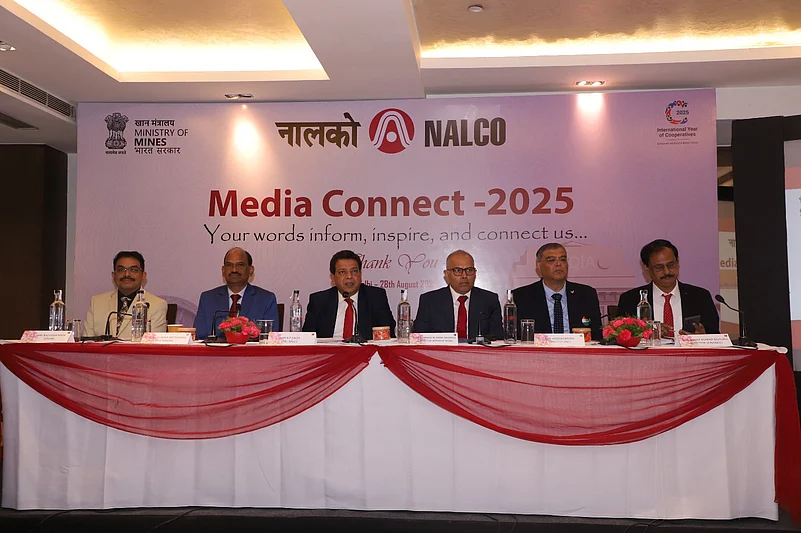
NALCO, through its joint venture Khanij Bidesh India Limited (KABIL), is gearing up to explore commercial lithium mining in Argentina, marking a bold step in India’s pursuit of strategic minerals. The initiative focuses on five lithium brine blocks in the Catamarca Province, where non-invasive exploration has already been completed, and plans are underway for detailed invasive exploration. Led by Chairman and Managing Director Brijendra Pratap Singh, NALCO aims to assess the viability of these deposits, which could take up to two years, driven by the promise of reserves near operational Chinese mines. This move has sparked optimism about India’s energy transition, though it also raises questions about execution and international competition.
Strategic Context Anchors Global Ambitions
The strategic backdrop lies in India’s push for self-reliance in critical minerals like lithium, essential for electric vehicle batteries and electronics, amid global supply chain tensions. KABIL, a collaboration between NALCO, Hindustan Copper Ltd., and Mineral Exploration and Consultancy Ltd., secured exclusive rights to these 15,703-hectare blocks through an agreement with Argentina’s CAMYEN SE, costing approximately ₹200 crore. The proximity to Chinese operations fuels hope for success, while Singh’s dismissal of US tariff impacts—due to NALCO’s lack of metal exports to the US—highlights a focus on domestic and Middle Eastern markets. X posts reflect enthusiasm for India’s lithium potential, though some caution against over-reliance on foreign reserves, underscoring the geopolitical stakes involved.
Implications Reshape Energy and Trade Dynamics
The implications of this venture span economic, environmental, and geopolitical arenas. Economically, successful mining could reduce India’s reliance on lithium imports, bolstering the EV sector and creating jobs, with an estimated investment of ₹200 crore signaling long-term gains. Environmentally, the project’s invasive exploration phase raises concerns about ecological damage in Argentina’s Lithium Triangle, a region critical for global supply. Geopolitically, it strengthens India’s position in the “Lithium Triangle” alongside Chile and Bolivia, but risks straining relations with China if competition intensifies. Operationally, the two-year timeline challenges the narrative of rapid resource development, inviting scrutiny over whether the deposits will meet commercial expectations.
Challenges Test Feasibility and Sustainability
Significant challenges emerge as NALCO advances this project. Operationally, conducting invasive exploration across vast terrains requires skilled consultants and precise execution, with potential delays threatening the timeline. Economically and socially, the venture could face resistance from local Argentine communities over environmental concerns, while India’s small farmers might suffer if domestic lithium focus shifts abroad. Policy risks include regulatory hurdles in Argentina and potential trade disputes with lithium-rich nations, and the establishment’s optimistic portrayal of strong prospects near Chinese mines invites skepticism, given the lack of confirmed deposit grades. The complexity suggests a need for robust planning to balance ambition with reality.
Opportunities Unlock Innovation and Energy Security
Despite the obstacles, opportunities abound for growth and innovation. Economically, a successful outcome could position India as a lithium hub, attracting investment and enhancing EV manufacturing, with the ₹200 crore outlay potentially yielding high returns. Socially, the project might spur technological upskilling in India’s mining sector, fostering job creation if managed inclusively. Policy-wise, it could drive bilateral energy agreements with Argentina and influence global lithium trade policies, possibly leading to sustainable mining innovations like brine recycling. Whether this venture secures India’s energy future or falters depends on execution, but it highlights the strategic importance of securing critical minerals.
Success Hinges on Strategic Execution
NALCO’s pursuit of commercial lithium mining in Argentina through KABIL represents a pivotal move in India’s quest for energy independence and global competitiveness. While the potential to tap into the Catamarca Province’s reserves offers economic and strategic promise, the project faces significant operational and environmental hurdles. Amid opportunities for innovation and trade enhancement, the establishment’s narrative of a seamless expansion warrants critical review, given unverified deposit viability. The outcome—whether it establishes a new resource frontier or exposes logistical pitfalls—rests on NALCO’s ability to navigate this ambitious international endeavor.