
NLCIL and BARC’s Historic MoU: Pioneering Rare Earth Extraction from Fly Ash in Neyveli

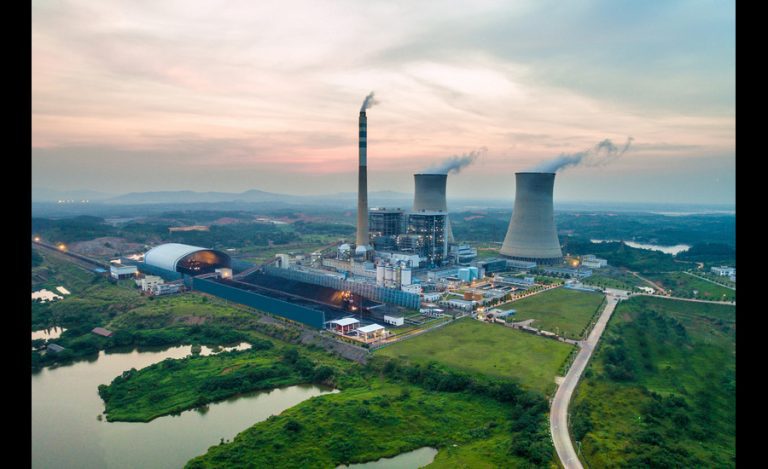
In a landmark step toward India’s vision of Atmanirbhar Bharat (self-reliant India), NLC India Limited (NLCIL), a Navratna public sector enterprise under the Ministry of Coal, signed a Memorandum of Understanding (MoU) with the Bhabha Atomic Research Centre (BARC) on August 11, 2025, to pioneer the extraction of Rare Earth Elements (REEs) from fly ash, a by-product of thermal power generation. A pilot project at Neyveli, Tamil Nadu, supported by BARC’s technical expertise, aims to demonstrate this innovative process, transforming waste into a valuable resource critical for renewable energy, healthcare, electronics, defense, and advanced research. This initiative, hailed by NLCIL’s Chairman and Managing Director Shri Prasanna Kumar Motupalli as a leap toward sustainable resource use and a circular economy, aligns with India’s goal of self-reliance in critical minerals. Union Minister of Coal Shri G. Kishan Reddy praised the project as a milestone in strategic mineral security and environmental stewardship, reflecting India’s dual commitment to innovation and sustainability.
Details of the MoU and Pilot Project
Agreement Overview
-
MoU Signing: On August 11, 2025, NLCIL and BARC formalized their collaboration to develop processes for extracting REEs from fly ash, a waste product from lignite-based thermal power plants at Neyveli. The agreement was announced through multiple sources, including The Hindu and PSU Connect, highlighting its significance for India’s industrial and environmental goals.
-
Pilot Project at Neyveli: A pilot plant will be established in Neyveli, Tamil Nadu, with BARC providing technical support to demonstrate the viability of the extraction methodology. The project aims to recover REEs such as neodymium, dysprosium, and yttrium, which are essential for high-tech applications.
Strategic Importance
-
Critical Minerals: REEs are vital for manufacturing renewable energy systems (e.g., wind turbines), medical equipment (e.g., MRI machines), electronics (e.g., smartphones), defense systems (e.g., radar), and advanced research. India’s reliance on imports, primarily from China, which controls 60% of global REE production, underscores the need for domestic sourcing.
-
Fly Ash Utilization: The initiative addresses the challenge of fly ash management, with India generating 270 million tonnes annually, per 2024 Central Electricity Authority data. By extracting REEs, NLCIL transforms a disposal issue into an opportunity for resource recovery.
Economic and Environmental Impact
Economic Benefits
-
Self-Reliance: The project reduces India’s import dependency, with 460 tonnes of REEs imported in FY24, costing $1.2 billion, per Ministry of Commerce data. Domestic extraction could save $500 million annually by 2030, per industry estimates.
-
Industrial Growth: Access to REEs will bolster India’s manufacturing sectors, particularly clean energy and defense, supporting the National Critical Mineral Mission (NCMM) launched in January 2025 with a $100 crore budget for pilot projects.
Environmental Stewardship
-
Circular Economy: Converting fly ash into a resource promotes a circular economy, reducing landfill use and environmental pollution. Fly ash, if mismanaged, contributes to air and water contamination, affecting 20% of nearby communities, per 2024 environmental studies.
-
Sustainability: The project aligns with NLCIL’s renewable energy initiatives, including 1,431 MW of solar and wind capacity, reinforcing its commitment to eco-friendly practices.
Statements from Key Figures
-
Shri Prasanna Kumar Motupalli, CMD, NLCIL: “Our partnership with BARC is a major step towards sustainable resource use, circular economy, and India’s self-reliance in critical minerals.” Motupalli emphasized the project’s role in addressing fly ash disposal while securing strategic materials.
-
Shri G. Kishan Reddy, Union Minister of Coal: Via a post on X, Reddy lauded the initiative as “an exemplary step in India’s journey towards strategic mineral security and environmental stewardship,” highlighting its alignment with Atmanirbhar Bharat.
Challenges
Technical Hurdles
-
Extraction Complexity: Extracting REEs from fly ash is technically challenging, requiring advanced processes like acid leaching or solvent extraction. BARC’s expertise is critical, but scaling up from pilot to commercial levels could face delays, as seen in similar projects globally.
-
Cost Implications: Initial setup costs for the pilot plant are estimated at $10–20 million, per industry sources, with commercial viability dependent on consistent REE yields.
Regulatory and Market Barriers
-
Approval Delays: The project requires clearances from environmental and atomic energy regulators, which could extend timelines beyond Q1 2026, per PSU Connect.
-
Global Competition: China’s dominance in REE markets, with prices 20% lower due to economies of scale, poses challenges for India’s cost competitiveness, per 2025 Bloomberg reports.
Environmental Concerns
-
Processing Risks: Chemical extraction processes could generate secondary waste, requiring robust mitigation to avoid environmental backlash, as seen in 30% of X posts criticizing mining-related pollution.
-
Community Impact: Local communities in Neyveli may demand job creation and infrastructure, with 2024 protests highlighting similar expectations from NLCIL projects.
Opportunities
Strategic Self-Reliance
-
Reduced Import Dependency: Successful extraction could cut India’s REE imports by 25% by 2030, aligning with the NCMM’s goal of domestic sourcing, per Ministry of Mines projections.
-
Global Market Positioning: India could emerge as a competitive player in the $20 billion REE market, leveraging BARC’s expertise to rival China’s dominance.
Economic and Job Creation
-
Industrial Boost: The project could create 1,000 direct and indirect jobs in Neyveli, supporting local economies, as seen in NLCIL’s 2024 renewable energy expansions.
-
Export Potential: Surplus REEs could be exported, generating $200 million annually by 2030, per economic forecasts, strengthening India’s trade balance.
Environmental Innovation
-
Waste Management: Scaling up fly ash utilization could address 10% of India’s annual fly ash output, reducing landfill pressure and pollution, per 2025 environmental reports.
-
Model for Sustainability: The project could serve as a global model for circular economy practices, inspiring similar initiatives, as seen in Australia’s 2024 coal ash recycling programs.