
Ola Electric and TVS Gear Up to Tackle Rare-Earth Magnet Shortage in India’s EV Sector

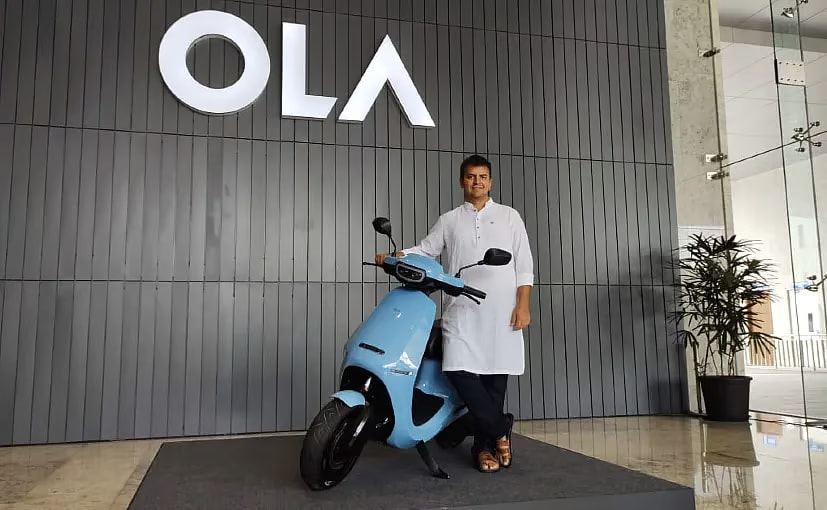
India’s electric vehicle (EV) industry is navigating a critical challenge with the ongoing shortage of rare-earth magnets, essential components for EV motors. Leading manufacturers Ola Electric and TVS are stepping up with innovative strategies to mitigate this disruption, driven by export restrictions from a key supplier. This article explores their proactive measures, the implications for the EV market, and the broader push toward self-reliance in India’s burgeoning green mobility sector.
The Rare-Earth Magnet Crisis
The EV sector has been grappling with a four-month-long shortage of rare-earth magnets, primarily due to tightened export controls from a major global supplier. These magnets, rich in materials like neodymium, are vital for the high-performance permanent magnet synchronous motors (PMSM) used in electric two-wheelers. The scarcity has forced several manufacturers to scale back production, threatening the rapid growth of India’s EV market. With over 80% of the nation’s magnet supply previously sourced externally, the disruption has exposed vulnerabilities in the supply chain, prompting a urgent need for alternatives.
Ola Electric’s Strategic Pivot
Ola Electric is taking decisive action to address the crunch, planning to launch EVs powered by ferrite motors in the third quarter (September-December 2025). These motors utilize iron-based magnets, eliminating the need for rare-earth materials and offering a cost-effective solution. The company has invested over two years in developing this technology, with prototypes already validated internally and currently undergoing rigorous testing. This shift is complemented by Ola’s strategic stockpiling of rare-earth magnets from alternative regions, securing a five- to six-month buffer to maintain production stability.
Looking ahead, Ola is accelerating the rollout of rare-earth-free motors as early as the next quarter, leveraging its in-house manufacturing capabilities. This vertical integration, covering motors, controllers, and software, allows Ola to adapt quickly, reduce costs, and mitigate supply risks. The move could strengthen its market position, especially as competitors face production cuts, potentially boosting Ola’s share in the highly competitive EV segment.
TVS’s Response to the Challenge
TVS is also charting a path forward by exploring ferrite motor technology to reduce its reliance on rare-earth magnets. While official details remain limited, industry insights suggest the company is actively developing mitigation strategies to counter the supply disruption. Ferrite magnets, widely available and less expensive, are gaining traction as a viable alternative, with global players already adopting them in various applications. TVS’s efforts align with its reputation for innovation, and the company is likely working to integrate this technology into its popular electric scooter lineup, ensuring minimal impact on production schedules.
Industry-Wide Impact and Alternatives
The magnet shortage has already led to significant production reductions among other players, with some cutting output by half and others by 8-10%. This has created a ripple effect, slowing the momentum of India’s EV market, which has seen robust growth in recent years. However, the shift to ferrite motors by Ola and TVS signals a broader industry trend toward resilience. These magnets, though less powerful than rare-earth variants, can be optimized with advanced engineering to deliver adequate performance for two-wheelers, balancing cost and efficiency.
Beyond ferrite, the industry is exploring supply diversification, with potential sources in Southeast Asia, Europe, and other regions. Domestic production of rare-earth magnets is also under consideration, with government incentives possibly on the horizon to foster local capabilities. This multi-pronged approach could reduce long-term dependence on external supplies, aligning with India’s push for self-reliance in critical technologies.
Broader Implications for India’s EV Market
The proactive stance of Ola and TVS could reshape the competitive landscape. Ola’s stockpiling and rapid innovation have shielded it from immediate disruption, potentially allowing it to gain market share as rivals struggle. TVS, with its strong sales performance, is equally poised to maintain its footing by adapting swiftly. This resilience could accelerate the adoption of alternative motor technologies across the sector, driving down costs and enhancing accessibility for consumers.
The crisis also underscores the importance of supply chain diversification and local innovation. As India aims to lead the global EV revolution, supported by initiatives like the FAME scheme, overcoming such bottlenecks is crucial. The shift to ferrite motors and the exploration of new supply chains reflect a maturing industry ready to tackle global challenges head-on.
Challenges and Future Outlook
The transition to ferrite motors is not without hurdles. These magnets offer lower magnetic flux, which may impact torque and power delivery, particularly under high-temperature conditions where they are prone to losing magnetism. Extensive testing and design tweaks will be necessary to ensure performance parity with rare-earth-based motors. Additionally, scaling up production and securing consistent supplies of ferrite materials will require significant investment and coordination.
Looking ahead, the success of Ola and TVS’s strategies could set a precedent for other manufacturers. By late 2025, if rare-earth-free motors prove reliable and cost-effective, they might become the industry standard, reducing reliance on geopolitically sensitive supply chains. The government’s potential support for domestic magnet production could further accelerate this shift, positioning India as a hub for sustainable EV manufacturing.
Ola Electric and TVS are charging ahead with bold plans to overcome the rare-earth magnet shortage, leveraging ferrite motor technology and strategic stockpiling. This response not only addresses immediate production challenges but also signals a long-term commitment to self-reliance and sustainability in India’s EV sector. As the market evolves, their innovations could drive a new era of green mobility, turning a supply crisis into an opportunity for growth and leadership on the global stage.