
Optimizing Gold Smelting: The Science and Art of Flux Ratios

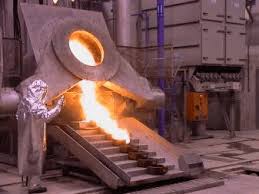
Smelting, a cornerstone of mineral processing, is far more than simply heating ore to extract metal—it’s a sophisticated chemical process that blends scientific precision with practical expertise. In gold smelting, achieving high purity and process efficiency hinges on the careful selection and balance of flux materials. A widely adopted flux recipe, comprising borax, sodium carbonate, silica, and sodium nitrate, serves as a chemical symphony, each component playing a distinct role to purify gold, reduce losses in slag, and optimize the smelting process. This article explores the science behind this flux recipe, its application in gold smelting, and its relevance to modern mineral processing, particularly in the context of India’s growing industrial landscape.
The Role of Flux in Gold Smelting
In gold smelting, flux is a mixture of chemical compounds added to the ore to facilitate the separation of gold from impurities, such as base metals, silicates, and other non-metallic materials. The flux achieves this by:
-
Lowering the Melting Point: Reducing the temperature required to melt the ore, making the process energy-efficient.
-
Controlling Slag Viscosity: Ensuring the slag (a molten layer of impurities) flows smoothly, allowing clean separation of gold.
-
Removing Impurities: Chemically reacting with unwanted metals and minerals to isolate pure gold.
-
Minimizing Losses: Preventing gold from being trapped in the slag, maximizing recovery.
The slag, formed as a by-product, must be carefully managed to ensure environmental compliance and efficient metal recovery. The right flux ratio is critical to achieving these objectives, balancing chemical reactivity with practical outcomes.
The Flux Recipe: A Chemical Team
A popular and effective flux recipe for gold smelting includes the following components in specific proportions:
-
Borax (2 parts): Sodium tetraborate (Na₂B₄O₇) lowers the melting point of the ore, typically from above 1,064°C (gold’s melting point) to around 800–900°C, reducing energy costs. It forms a glassy borate slag that binds with silica and other impurities, facilitating their removal from the molten gold.
-
Sodium Carbonate (1 part): Also known as soda ash (Na₂CO₃), this flux reduces slag viscosity, ensuring it flows freely and separates cleanly from the gold. It also neutralizes acidic components, maintaining a balanced slag chemistry.
-
Silica (1 part): Silicon dioxide (SiO₂) maintains an acidic-basic balance in the slag, preventing it from becoming too viscous or brittle. It reacts with metal oxides to form a stable, low-melting-point slag, aiding in impurity separation.
-
Sodium Nitrate (0.25 part): A strong oxidizing agent (NaNO₃), sodium nitrate removes base metals like copper, lead, and zinc by oxidizing them into the slag phase, ensuring higher gold purity (up to 99.995% for Special High Grade gold).
This recipe, with a ratio of 2:1:1:0.25, is tailored to optimize gold smelting by creating a slag that is fluid, stable, and effective at isolating impurities. The components work synergistically:
-
Borax and sodium carbonate lower the melting point and improve slag flow.
-
Silica ensures chemical balance, preventing slag from trapping gold.
-
Sodium nitrate enhances purity by eliminating base metals.
Benefits of Optimized Flux Ratios
When applied correctly, this flux recipe delivers significant benefits:
-
High Gold Purity: Achieving 99.995% purity, as seen in Special High Grade (SHG) gold, suitable for industrial applications like electronics and jewelry.
-
Improved Process Efficiency: Lower melting points and optimized slag viscosity reduce energy consumption and smelting time, with energy savings of up to 20% compared to non-optimized processes.
-
Reduced Slag Losses: Proper flux ratios minimize gold entrapment in slag, with recovery rates exceeding 95% in well-controlled smelting operations.
-
Environmental Compliance: Efficient slag management and reduced emissions align with regulations like India’s Solid Waste Management Rules (2016) and National Green Tribunal (NGT) guidelines.
The result is a streamlined process that maximizes gold yield while minimizing waste and energy use, critical for both economic and environmental sustainability.
Practical Application: Science Meets Experience
While the flux recipe provides a scientific foundation, successful smelting requires hands-on expertise:
-
Ore Composition Analysis: The ore’s mineralogy (e.g., sulfide or oxide content) influences flux ratios. For sulfide-rich ores, additional sodium nitrate may be needed to oxidize sulfur, while silica-heavy ores may require more borax.
-
Furnace Conditions: Temperature (typically 1,000–1,200°C) and atmosphere (oxidizing or reducing) must be controlled to optimize flux performance. Electric arc or induction furnaces, common in modern smelters, require precise calibration.
-
Slag Management: Post-smelting, the slag must be analyzed to ensure minimal gold loss. Techniques like X-ray fluorescence (XRF) or fire assay verify recovery rates.
-
Scaling Challenges: Small-scale artisanal smelters, common in India, often lack access to precise flux formulations, leading to lower yields (80–85%). Large-scale facilities, like those operated by Hindustan Zinc, benefit from automated systems and lab-tested ratios.
In India, where gold production is limited (1.6 tonnes in 2023, per the World Gold Council), most gold is imported or recycled. Optimizing smelting through precise flux ratios can enhance domestic refining capacity, reducing reliance on imports.
Relevance to India’s Industrial Landscape
The importance of efficient smelting aligns with India’s industrial and sustainability goals, particularly in the context of recent developments like Larsen & Toubro’s (L&T) EPC contract for Hindustan Zinc’s Debari Smelter Complex, announced on August 1, 2025. The Debari project, involving a 250 KTPA Leaching, Purification, and Cellhouse facility, focuses on zinc but shares parallels with gold smelting in its emphasis on high-purity output and environmental compliance (e.g., Jarosite Circuit and RO-ZLD systems). L&T’s expertise in designing smelter facilities underscores the need for advanced technologies in mineral processing, which could extend to gold refining.
India’s National Critical Mineral Mission (NCMM), launched in January 2025, further highlights the strategic importance of optimizing mineral processing. While gold is not a critical mineral, the mission’s focus on R&D through Centres of Excellence (CoEs) like IIT Bombay and CSIR-NML Jamshedpur could drive innovations in flux chemistry and smelting technologies, benefiting gold and other metals.
Challenges and Opportunities
Challenges
-
Ore Variability: Inconsistent ore composition requires tailored flux adjustments, complicating small-scale operations.
-
Environmental Concerns: Improper slag disposal, as seen in Gurugram’s waste crisis, can lead to pollution. Gold smelting must comply with NGT regulations to avoid penalties.
-
Cost Barriers: High-purity fluxes like sodium nitrate are expensive, posing challenges for artisanal smelters.
-
Skill Gaps: Limited training in flux optimization among small-scale refiners reduces efficiency and yield.
Opportunities
-
Technological Advancements: AI-driven ore analysis, as explored by IIT Hyderabad under the NCMM, could optimize flux ratios in real-time, improving yields.
-
Recycling Potential: India’s growing e-waste recycling sector (valued at $1.5 billion in 2024) offers opportunities to recover gold using optimized smelting techniques.
-
Industry Collaboration: Partnerships between CoEs, private firms like HZL, and EPC giants like L&T can scale advanced smelting technologies, supporting India’s Make in India initiative.
-
Sustainability: Zero-liquid-discharge systems, as implemented in the Debari project, can be adapted for gold smelting to minimize environmental impact.
Future Outlook
Optimizing flux ratios in gold smelting could transform India’s refining capacity, supporting the jewelry industry (which consumes 600–700 tonnes of gold annually) and emerging sectors like electronics. The adoption of digital tools, such as AI and XRF, alongside CoE-led research, could standardize high-efficiency smelting practices. For instance, CSIR-IMMT Bhubaneswar could develop eco-friendly fluxes, reducing reliance on sodium nitrate and lowering costs.
The success of projects like Debari suggests that India’s industrial giants are prioritizing advanced mineral processing. Extending these capabilities to gold smelting could reduce import dependency (India imported 700 tonnes of gold in 2024, per the Ministry of Commerce) and bolster domestic production. Community-driven initiatives, like those addressing Gurugram’s garbage crisis, could also inspire sustainable waste management in smelting, ensuring slag is recycled or safely disposed.
Gold smelting is a delicate balance of science and experience, with flux ratios—borax (2 parts), sodium carbonate (1 part), silica (1 part), and sodium nitrate (0.25 part)—serving as the key to achieving high purity, efficiency, and minimal losses. This recipe, by lowering melting points, controlling slag viscosity, and removing impurities, delivers Special High Grade gold while aligning with environmental standards. In India, where industrial projects like L&T’s Debari Smelter expansion and the NCMM underscore the importance of mineral processing, optimized smelting can enhance domestic gold production and support sustainability goals. As civic challenges like Gurugram’s garbage crisis highlight the need for governance, the precision of smelting offers a model for balancing industrial ambition with environmental responsibility, paving the way for a refined and resilient future.