
PM to Unveil BSNL’s Homegrown 4G Stack on September 27; India Leaps into Global League of Indigenous Tech

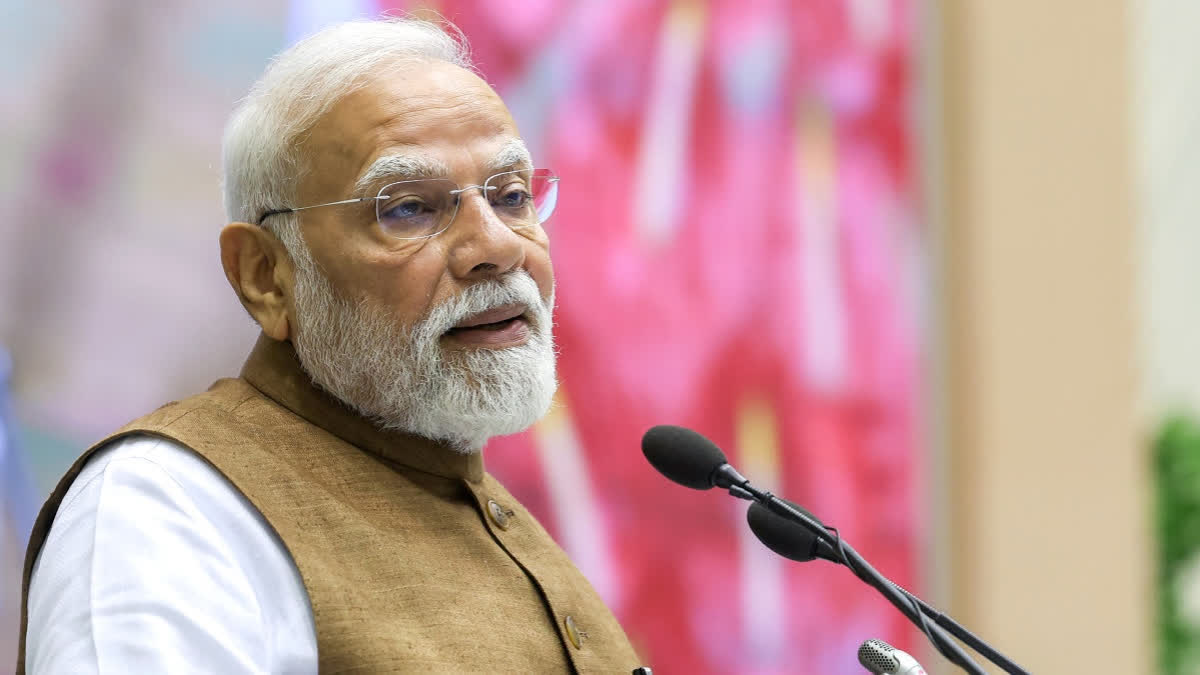
In a landmark development for India’s telecommunications sector, Prime Minister Narendra Modi is set to unveil Bharat Sanchar Nigam Limited’s (BSNL) homegrown 4G stack on September 27, signaling a major step in the nation’s push toward self-reliance in critical technology. The initiative places India among a select group of countries capable of developing core telecom infrastructure indigenously, reducing dependence on foreign equipment and technology.
A Milestone in Indigenous Technology
The homegrown 4G stack represents years of research and development by BSNL, in collaboration with domestic tech partners, aimed at building end-to-end telecom solutions entirely within India. The technology covers key components of the 4G network, including radio access, core network, and management systems, enabling seamless high-speed connectivity without reliance on foreign vendors.
Officials describe the development as a game-changer for India’s telecom ecosystem. By relying on indigenous solutions, the country can enhance cybersecurity, reduce import costs, and foster domestic innovation in line with the government’s Atmanirbhar Bharat (self-reliant India) vision.
Strategic Significance
Telecommunications is a sector of strategic national importance, and reliance on foreign hardware has long been seen as a vulnerability. By deploying a homegrown 4G stack, India strengthens its digital sovereignty, ensuring that critical networks supporting government operations, defense, and public services remain under domestic control.
The rollout also has broader economic implications. Indigenous development encourages the growth of local tech startups and manufacturing units, creates high-skilled employment, and stimulates innovation in areas such as network security, cloud computing, and artificial intelligence integration.
Towards a Global League
Experts note that only a few nations, including China, South Korea, and the United States, have developed comprehensive 4G and 5G network stacks domestically. India’s achievement with BSNL positions the country in the global league of tech self-sufficiency, showcasing its capability to design and deploy complex communication systems at scale.
Telecom analysts view this development as a precursor to future 5G and 6G innovations, as the knowledge and experience gained from building the 4G stack will accelerate India’s efforts in next-generation networks. BSNL, with its pan-India presence, is expected to serve as the primary testbed for large-scale deployment, offering lessons for both public and private telecom operators.
Looking Ahead
The unveiling on September 27 is expected to be accompanied by demonstrations of the stack’s capabilities, highlighting enhanced network speed, reliability, and security features. For millions of Indians, especially in semi-urban and rural areas, this could translate into better internet access, improved mobile services, and a boost to digital initiatives across sectors like education, healthcare, and e-governance.
Government officials emphasize that this milestone is more than just a technological achievement—it is a symbol of India’s growing prowess in homegrown innovation and a step toward securing the nation’s critical digital infrastructure against global uncertainties.
As India joins the global cadre of countries capable of building advanced telecom networks indigenously, the BSNL 4G stack stands as a testament to the country’s technological ambition, strategic foresight, and commitment to self-reliance.