
Positive SGS final audit on Cobre Panama could pave way for restart talks

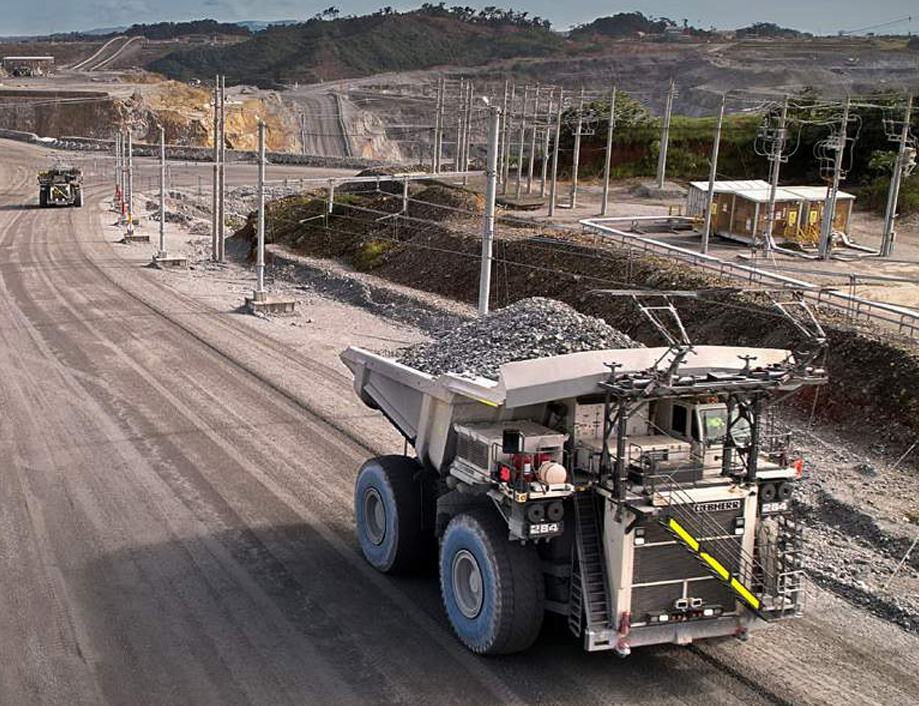
On July 19, the Swiss-based multinational company SGS via SGS Panama Control Services Inc. (SGS) submitted its Final Report of the Comprehensive Audit for the Cobre Panamá Mine Project—under contract OAL-DIFOR No. 003-2025 – to the the Ministry of Environment (MiAMBIENTE).
The Ministry statement said that the comprehensive audit process evaluated legal, fiscal, environmental, and operational components – among others – and covered all 370 commitments outlined in the Category II Environmental Impact Study (EsIA) and the Environmental Adaptation and Management Programs (PAMA), incorporating document reviews, field inspections, and technical analyses cross-referenced with on-site verified evidence. The results were organised into 15 thematic volumes and four evaluation components.
Overall, the statement said the audit results “demonstrate the project’s compliance with the majority of its commitments, including operational strengths,” however, “they also reveal findings regarding administrative matters, biodiversity, ecological restoration, and the coordination of environmental monitoring.”
The comprehensive audit of the Cobre Panamá copper mine project “conducted an objective, exhaustive, and independent analysis based on specialised technical criteria regarding project execution and performance, including the period of suspended operations in 2023. This evaluation aimed to determine the level of adherence to contractual, administrative, regulatory, and operational obligations by the parties involved, utilising independent scientific methodological procedures to ensure the objectivity, reliability, and robustness of the conclusions reached.”
To this end, SGS adopted a comprehensive, multidisciplinary perspective that integrates – in a coordinated manner – the environmental, legal, administrative, fiscal, tax, technical, and operational aspects linked to the project. This approach made it possible not only to examine each component individually but also to reflect the interactions, impacts, and interconnections among the various management areas, thereby facilitating a broader and more consistent assessment of the project as a whole.
Importantly, the audit addressed the issues of greatest sensitivity to the public:
- Water and environmental monitoring: water management commitments and monitoring systems within the project’s area of influence were evaluated.
- Reforestation and biodiversity: ecological restoration programs and biodiversity protection measures were reviewed.
- Employment and social investment: compliance with administrative obligations and contributions to the development of communities in the area of influence were examined.
- Fiscal contribution to the country: tax-related aspects and the consistency of the project’s financial contributions to the Panamanian State were audited.
The Ministry statement concluded “This report does not constitute a decision regarding the project’s future. It provides a detailed overview of the work carried out during the audited period and the project’s current status – serving as technical input that enables the Panamanian State to evaluate next steps based on verifiable information and scientific evidence. Through this audit process, the National Government fulfills its commitment to transparency by making the results available to the public. With the audit report in hand, the next step is to proceed with a responsible, thorough, and objective technical assessment to determine the way forward, strictly adhering to the legal framework.”
Analyst coverage included this statement from Goldman Sachs: “The audit’s most critical failures are concentrated in the areas of reforestation and biodiversity conservation, which showed as non-compliant. That said, they represent only 9 of the 370 environmental commitments evaluated (<3%), while the mine performed as compliant in other commitments (Environmental Compliance score of 88/100). Additionally, based on our channel checks, maintaining biodiversity programs were particularly difficult during the pandemic and while the mine was shut down. Our recent conversations with investors suggest many have been gaining conviction around a potential Cobre Panama re-start and today’s report could positively support that view.
Deutsche Bank stated: “This is a positive step that paves the way for mine restart negotiations to begin, in our view. While the audit does not constitute a restart approval, it provides the formal technical basis required for the GoP to move towards decision-making. We expect the potential restart of CP to also kickstart the next phase of FM’s equity story centered around its attractive growth options in Latam. Our central case assumes the company gives up ~20% of CP and we assume first production and ramp up during 2027.”
FQML itself had this to say: “Cobre Panama welcomes with responsibility the publication of the final audit report presented by theNational Government as part of the technical and independent evaluation process. We value this exercise as an important step in terms of transparency and access to verifiable information for the country. We reiterate our commitment to open and technical collaboration with the authorities, as well as to the continuous strengthening of our operations, our management systems and our relationship with the communities.”
The post Positive SGS final audit on Cobre Panama could pave way for restart talks appeared first on International Mining.