
Power Demand Falls in November as Cooler Weather Sets In; Coal Output Also Declines

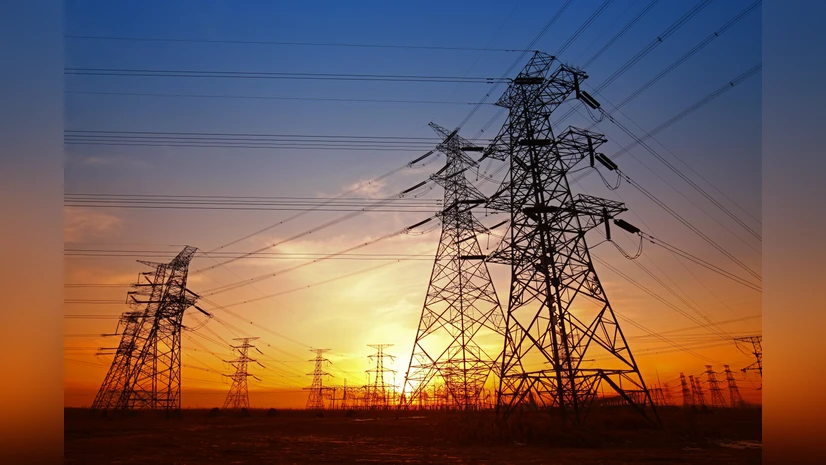
India’s power demand registered a noticeable dip in November, driven largely by a drop in temperatures across major regions of the country. According to preliminary data from the power sector, electricity consumption declined as households and commercial establishments reduced their reliance on cooling systems, easing the strain on the national grid after months of elevated demand.
Industry experts note that the seasonal shift typically leads to reduced power usage, but this year’s decline was sharper due to a pronounced drop in temperatures in northern and central states. Peak demand, which had reached record highs during the summer and monsoon months, eased significantly through the month.
Simultaneously, coal output also fell, with mining operations reporting lower offtake from power plants and moderated production schedules. Officials from state-run coal companies said inventories remain healthy, with many power plants holding comfortable stock levels, reducing the urgency for accelerated mining.
However, the decline in coal output has prompted caution from energy analysts, who warn that unpredictable weather patterns and rising industrial demand in the coming months could require close monitoring of supply stability. Despite reduced demand, thermal power plants continued to meet a major share of electricity generation, underscoring the sector’s dependence on coal.
The Ministry of Power is expected to review November’s performance as part of its winter preparedness assessment, ensuring that grid reliability and coal stock levels remain adequate ahead of potential demand fluctuations in early 2026.
With winter setting in, both power consumption and coal production trends are likely to remain moderated, offering temporary relief to the energy ecosystem before demand ramps up again with the onset of summer.