
Quad Nations Launch Joint Initiative to Boost Critical Minerals Cooperation

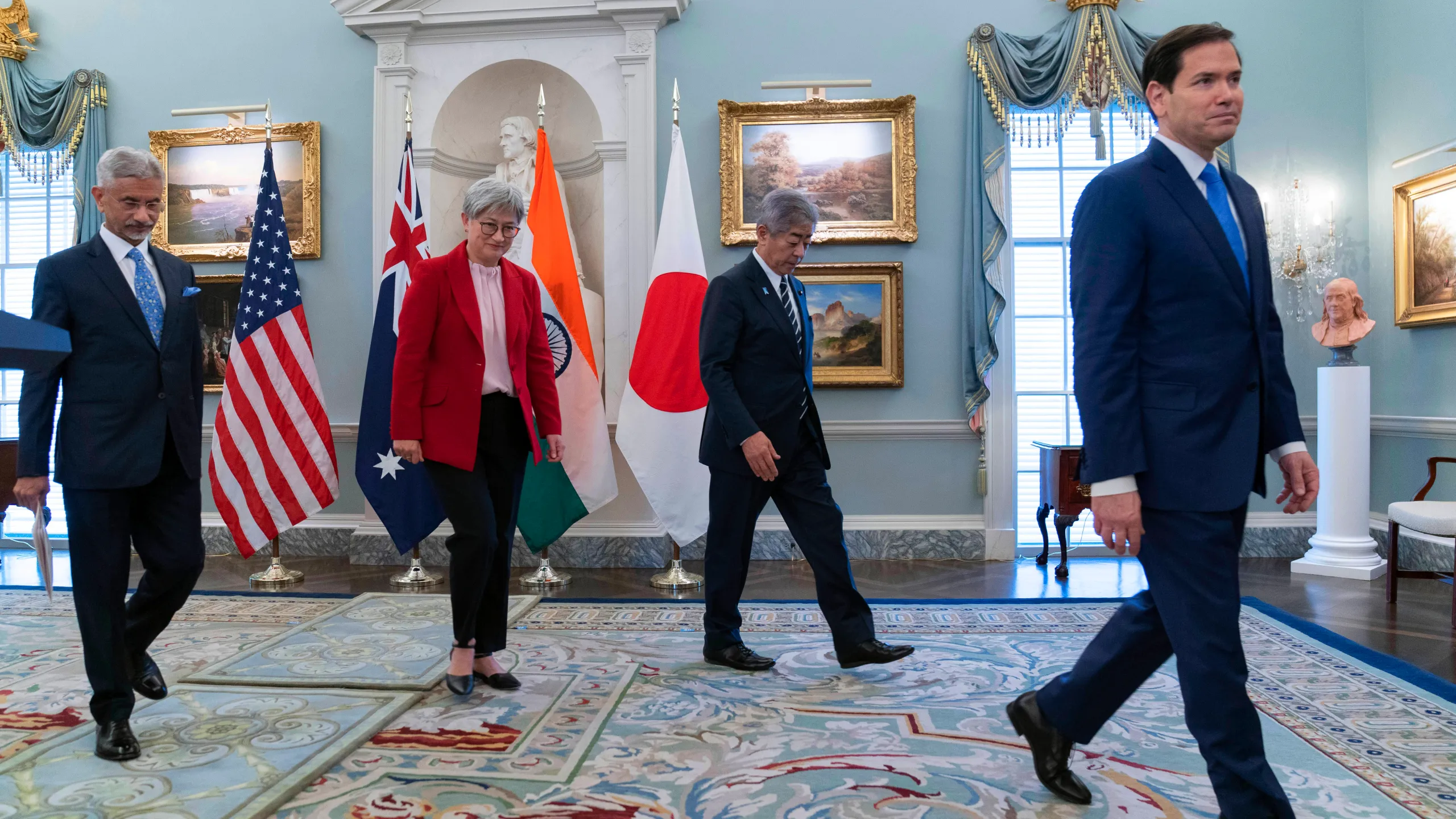
In a significant move to strengthen global mineral supply chains and reduce dependency on geopolitical hotspots, the foreign ministers of Japan, the United States, Australia, and India have announced the launch of a joint initiative on critical minerals cooperation. The agreement was reached during the latest Quad foreign ministers’ meeting held in Washington.
The initiative marks a deepening of the Quad alliance’s strategic focus on energy security, economic resilience, and green transition priorities, especially amid growing demand for minerals like lithium, cobalt, nickel, rare earth elements, and graphite, which are essential for electric vehicles, batteries, and clean energy infrastructure.
Strategic Importance of the Agreement
As nations around the world race to secure access to critical raw materials, the Quad initiative aims to:
-
Diversify supply chains and reduce reliance on dominant suppliers like China.
-
Promote exploration, processing, and recycling of key minerals within and among member nations.
-
Encourage private sector collaboration, joint investments, and technology transfer for sustainable mining.
-
Foster resilient and transparent markets through standardized policies and secure logistics.
This development reflects the Quad’s broader commitment to a free, open, and rules-based Indo-Pacific, anchored in economic security and climate responsibility.
India’s Role in the Quad Mineral Alliance
India, with its growing industrial base and rising demand for EVs and solar energy, plays a vital role in the Quad’s resource strategy. Recent initiatives by the Indian government—including the operational expansion of KABIL (Khanij Bidesh India Ltd.) and large-scale exploration efforts—position India as both a key consumer and emerging producer of critical minerals.
India’s outreach to Africa and Latin America for mineral partnerships further aligns with the Quad’s goal of creating globally distributed and trusted sources of supply.
Statements and Expectations
Foreign ministers from the four nations underlined that the joint mineral initiative is a cornerstone for enabling clean energy transitions and technological innovation. They also expressed shared concerns over market manipulation, export restrictions, and supply chain vulnerabilities, especially in the context of shifting global trade dynamics.
The countries agreed to set up a working group to develop actionable frameworks and pilot projects over the next year.
The Quad’s launch of a joint critical minerals initiative signifies a pivotal step in securing the raw materials that will power the world’s transition to cleaner, smarter economies. By aligning their strategies and resources, India, the US, Japan, and Australia are building a foundation for energy resilience, technological independence, and a more balanced global resource economy.