
Rajasthan Halts 3.2 GW Coal Power Plan, Prioritises Solar Leadership and Clean Energy Goals

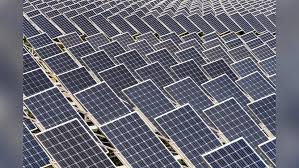
In a landmark move that underscores India’s accelerating shift toward renewable energy, Rajasthan—the country’s top solar-producing state—has blocked a proposed 3.2 GW coal-based power project, reaffirming its commitment to clean energy and climate goals.
State officials have confirmed that the decision was taken after assessing long-term sustainability concerns, rising renewable potential, and financial risks associated with setting up new coal plants. Rajasthan currently leads India’s solar capacity charts with over 18 GW installed, and the state government has been pushing aggressively to expand both utility-scale and rooftop solar projects.
The 3.2 GW coal plan, proposed by a state-run utility, was expected to support rising electricity demand. However, Rajasthan’s energy department concluded that solar, wind, and hybrid projects can meet future requirements more efficiently and at lower costs.
Experts say the move reflects a broader national trend where renewables have become more cost-competitive than new coal capacity. The state’s policy shift also aligns with India’s target of achieving 500 GW of non-fossil fuel capacity by 2030.
Environmental groups have welcomed the decision, calling it a “courageous step” toward climate resilience. Industry bodies believe the shift will boost investor confidence in India’s renewable energy sector, which has been attracting record global inflows.
With this decision, Rajasthan strengthens its position as India’s clean energy leader, setting a precedent for other states evaluating the future of coal-based power development.